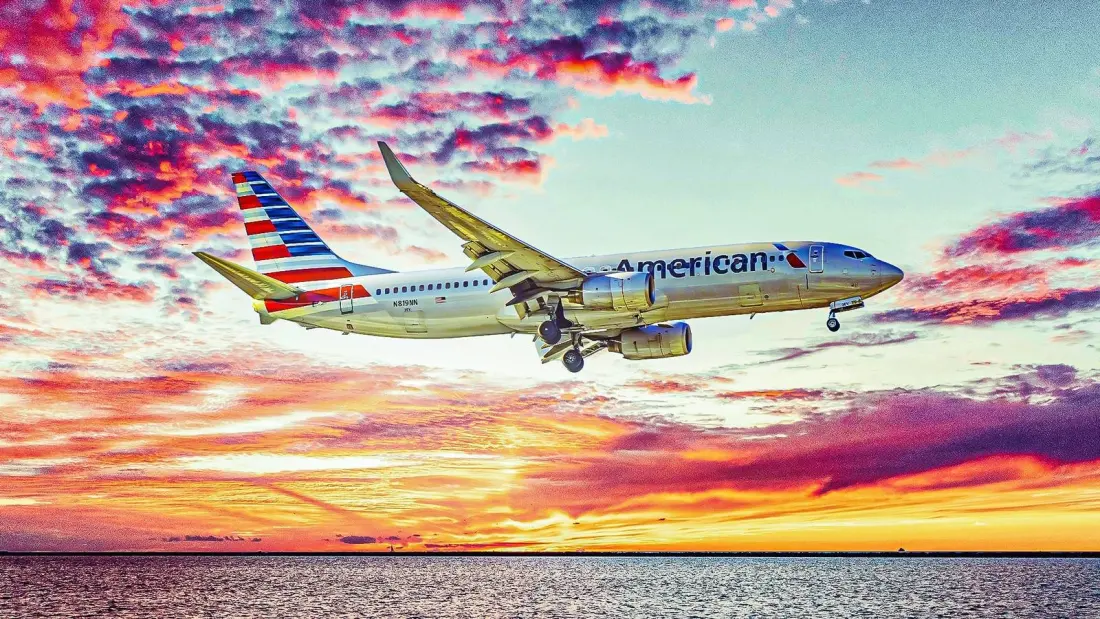
An American Airlines Boeing 737-800 headed from Boston Logan to Chicago O'Hare turned back shortly after takeoff on 5 October after the crew reported a suspected fuel leak from the right-hand engine. Flight 1239 had climbed to around 30,000 feet when the pilots held altitude to troubleshoot, then declared an emergency and asked to come back to Boston. The jet touched down on runway 22L roughly 45 minutes after departure and rolled to the gate under its own power, with emergency crews on standby. Nobody was hurt.
The disruption didn't end on the runway, though. All 160 people on board were transferred to a replacement 737-800, which did eventually reach Chicago safely — but the swap cost passengers a delay of just over 17 hours. The aircraft involved, registered N812NN, was back in service the next day.
American confirmed the incident in a statement, thanking its crew for their professionalism and apologising to customers for the experience. The 17-year-old jet is older than the airline's average — American's 737-800 fleet of 303 aircraft averages about 16.9 years, while its overall 737 fleet of 406 planes averages 13.7 years. The substitute aircraft was a relative youngster at 9.2 years old.
It hasn't been a quiet stretch for American's 737s. In late August, a different 737-800 burst a tire while taxiing to its gate at Chicago O'Hare — one of four tire-burst incidents at that airport within about a week, two of them involving the airline. In the most dramatic of those, two tires failed as the jet lined up for takeoff, with passengers describing a loud pop before the plane rolled gently to a stop and everyone was bussed to a new aircraft.
For travellers, the takeaways are fairly reassuring. Declaring an emergency is a routine procedure that gets an aircraft priority handling and clears the runway ahead of it — it doesn't mean disaster is imminent. The 737-800 is one of the most common and well-proven aircraft types in the world, and this flight ended exactly as such events should: a safe landing, a working backup plane, and an annoyed rather than endangered cabin.
The 17-hour delay is the part worth noting. When an aircraft goes technical mid-route, your journey depends on the airline finding a spare airframe and crew, which is why travel insurance and credit card protections that cover significant delays are worth having before you fly. If a leg matters — a cruise departure, a wedding, a connection home — an earlier flight the day before is the only real hedge.
As for Boston Logan itself, it remains one of the easier major US hubs to navigate, with fast links to downtown via the MBTA Silver Line and Blue Line. Just keep an eye on your flight status; even the most routine Tuesday departure can turn into a long day at the gate.
Simple Flying