Carnival Corporation's ships are heading to the shipyard in force. On the company's third quarter earnings call, CFO David Bernstein confirmed that five major drydocks are planned for 2027, up from just two in 2026 — enough to push capital spending above the $2.4 billion in non-newbuild expenditure already pencilled in for next year. Bernstein stopped short of giving a 2027 figure, promising more detailed guidance in December.
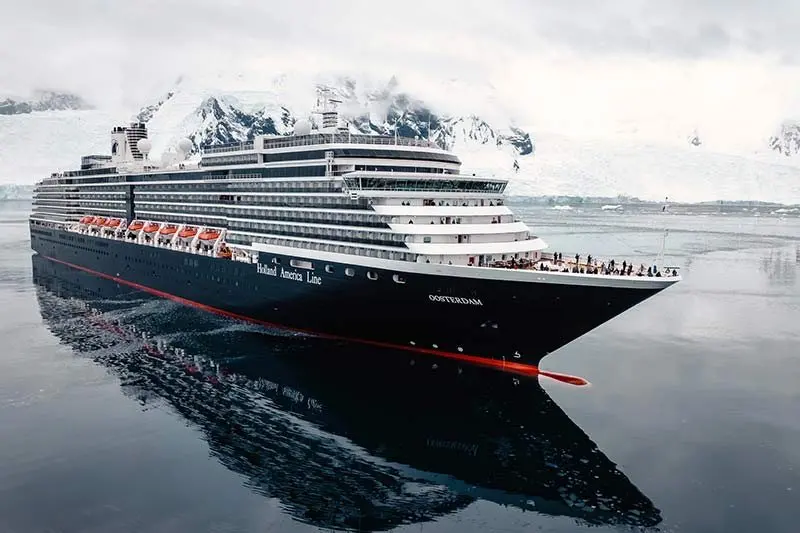
So which ships are getting the treatment? Three sail under the AIDA flag: the AIDAmar is up for her upgrade later this year, the AIDAblu follows from January to March, and the AIDAsol rounds things off between October and December. Holland America's Oosterdam will spend September and October in a French shipyard. All four form part of Carnival's ongoing midlife modernisation push — keeping older ships fresh without the eye-watering cost of newbuilds.
The headline act, though, is Cunard's Queen Mary 2. The flagship transatlantic liner enters drydock at Damen Shiprepair Brest on March 31 and returns to service on May 9 with a substantial makeover: 31 brand-new staterooms, refreshed Grill Suites and restaurants, plus upgraded wellness, retail and planetarium spaces. That last one matters for QM2 regulars — the planetarium is a signature feature of the ship's crossing schedule, and Cunard clearly sees it as worth investing in.
For travellers, the timing details are the useful part. Anyone eyeing an AIDA cruise in early or late 2027 should check whether their chosen sailing falls inside a refit window, and Holland America fans planning a late-summer Oosterdam trip may find schedules reshuffled around the French drydock. Queen Mary 2 passengers booked between late March and early May 2027 will want to double-check their sailing exists at all — and those travelling after May 9 get the first crack at the new cabins and refreshed Grills, which tend to book up fast among Cunard's loyal repeat guests.
There's a broader signal here too. Carnival is pouring money into its existing fleet rather than relying solely on new ships, which is generally good news for passengers: older vessels get modern cabins, better dining and smarter public spaces without fares jumping to newbuild levels. Expect the full spending picture when the company updates guidance in December.