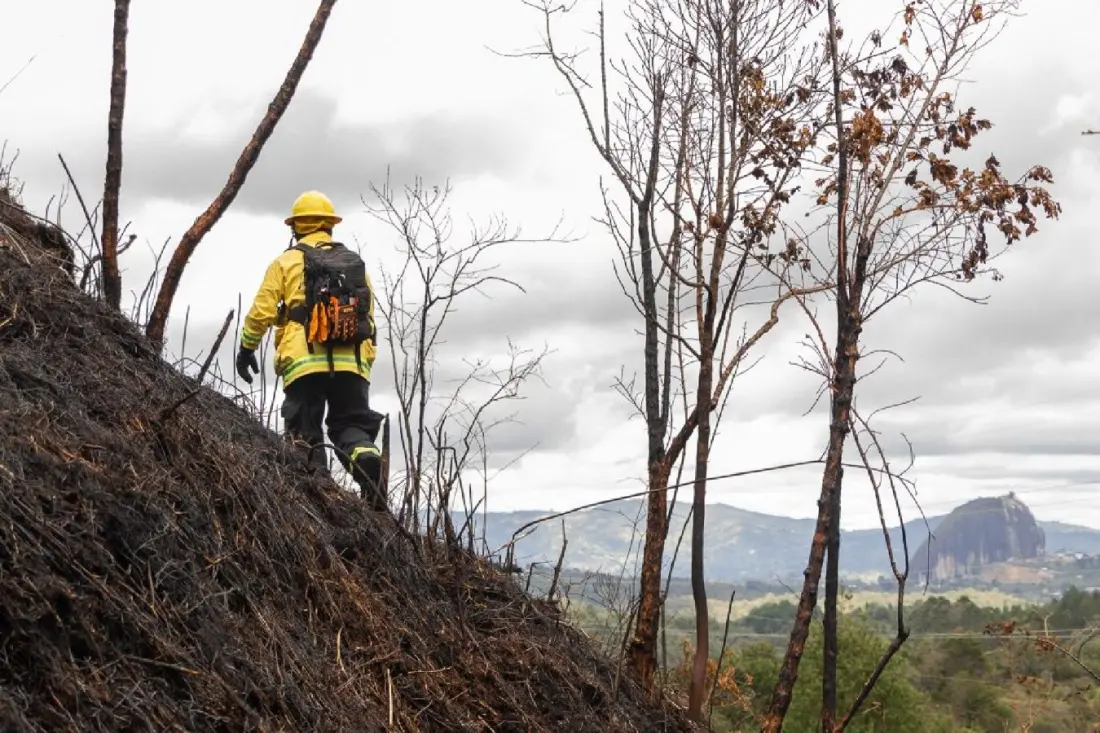
Colombia's weather agency IDEAM has made it official: the El Niño phenomenon is present in the country, and it's shaping up to be strong to very strong. Announced on October 8, the confirmation matters beyond meteorology circles — it means hotter temperatures, noticeably less rain, and a higher risk of drought, water shortages and forest fires stretching through the first half of 2027.
Right now, Colombia is in its second rainy season of the year, which kicked off in late September and typically peaks in October and November, especially in the Andean and Caribbean regions. Don't let the label fool you, though. Even with El Niño pushing overall rainfall below historical averages, the agency expects isolated episodes of heavy rain, thunderstorms, flash floods, landslides and strong winds, particularly as the season plays out. Sudden rises in river levels and lightning strikes are also on the list of hazards.
The real squeeze comes in December. IDEAM's forecasts show below-normal rainfall across the Caribbean, Andean, Pacific and much of the Orinoquia regions for the October-to-December quarter, with December flagged as the most critical month. After that, the drying trend is expected to intensify into 2027.
The government has already mobilised. Under Presidential Directive 03 and Law 1523 of 2012, agencies must have contingency plans active by November 30. The disaster risk unit UNGRD is coordinating regional responses and tracking forest fires with satellite monitoring, the Environment Ministry is protecting water sources and vulnerable ecosystems, and the Mines and Energy Ministry has an emergency plan — dubbed Plan Energia YA — to shore up thermal generation and backup fuel supplies.
So what does this mean if Colombia is on your travel list? In the short term, pack for variety: you could hit intense downpours and storms even in a generally dry month, so keep an eye on local conditions, especially in mountainous areas where landslides can disrupt roads. From December onward, expect heat and dryness rather than rain — great for Caribbean coast beach days, but bring water awareness with you. Water shortages can affect smaller towns and islands, fire risk rises in rural and natural areas, and energy-saving measures may occasionally be visible in how hotels and businesses operate. If you're heading into national parks or coffee-region hikes during the dry spell, check fire alerts and trail conditions before you go.
Travellers planning trips for late 2026 and 2027 should simply build flexibility into itineraries: buffer time for road delays in the rainy weeks, and choose accommodation with reliable water and power setups for the dry stretch ahead. Colombia remains very much open for business — the government's whole posture is anticipation, not alarm — but this El Niño cycle is strong enough that it's worth following the forecasts as your trip approaches.