
King Khalid International Airport in Riyadh came under attack on Thursday when Yemen's Iran-aligned Houthi movement said it fired two cruise missiles at the Saudi capital. Saudi Arabia's civil aviation authority reported that three Saudi nationals were killed and several others injured across two attacks on the airport.
The fallout for air travel was swift. Europe's aviation safety regulator, EASA, updated its conflict-zone bulletin — first issued on 30 September — to expand the area of Saudi airspace where it advises airlines not to fly, adding a zone in the country's northwest. The regulator said recent strikes show the Houthis can reach targets deep inside Saudi territory, and warned that recurring missile and drone attacks, plus active air-defence systems, raise the risk of civil aircraft being misidentified, along with dangers from interception activity and falling debris.
OPSGROUP, a network of nearly 10,000 aviation professionals that circulates flight-risk information, went further, issuing a 'do not fly' warning for Saudi Arabia and telling members to avoid Saudi airports even as en-route alternates.
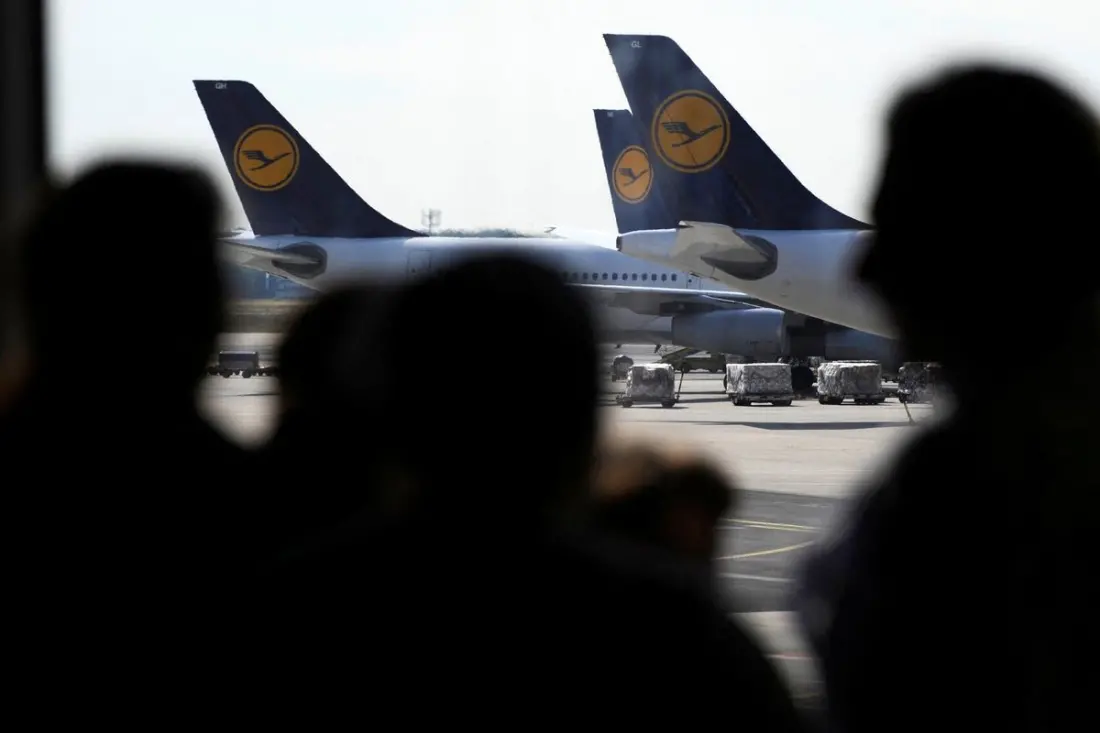
Airlines responded quickly. Lufthansa Group suspended its upcoming flights to Riyadh, as did three Indian carriers. Flight tracking service FlightRadar24 recorded 131 flights to and from Riyadh cancelled by early Friday afternoon (GMT), on top of hundreds of cancellations the previous day. The Houthis have also renewed broader threats against airlines serving Saudi Arabia.
The disruption matters because Riyadh is one of the Gulf's busiest air hubs. King Khalid International is Saudi Arabia's second-busiest airport after Jeddah, handling 296,800 flights in 2025 — roughly 813 movements a day — according to the country's General Authority for Statistics. That volume means cancellations ripple quickly across connecting routes, including for passengers flying between Europe, South Asia and beyond.
If you have a trip booked to or through Riyadh in the coming days, check with your airline before heading to the airport, and expect schedule changes rather than outright normalisation while the security picture is unclear. Travellers holding tickets on carriers still flying the route should watch for airspace rerouting, which can lengthen flight times. Those with flexible dates may prefer to wait until EASA issues its next bulletin before committing to travel in the region. Refund and rebooking rights will depend on your carrier and fare type, so it's worth reviewing the terms now.
The situation is a reminder that conflict-zone risk has become a real planning factor for travellers — regulators like EASA publish advisories that shape which routes and airports airlines consider safe, and these can change from one week to the next.
Reported by The Independent Travel.