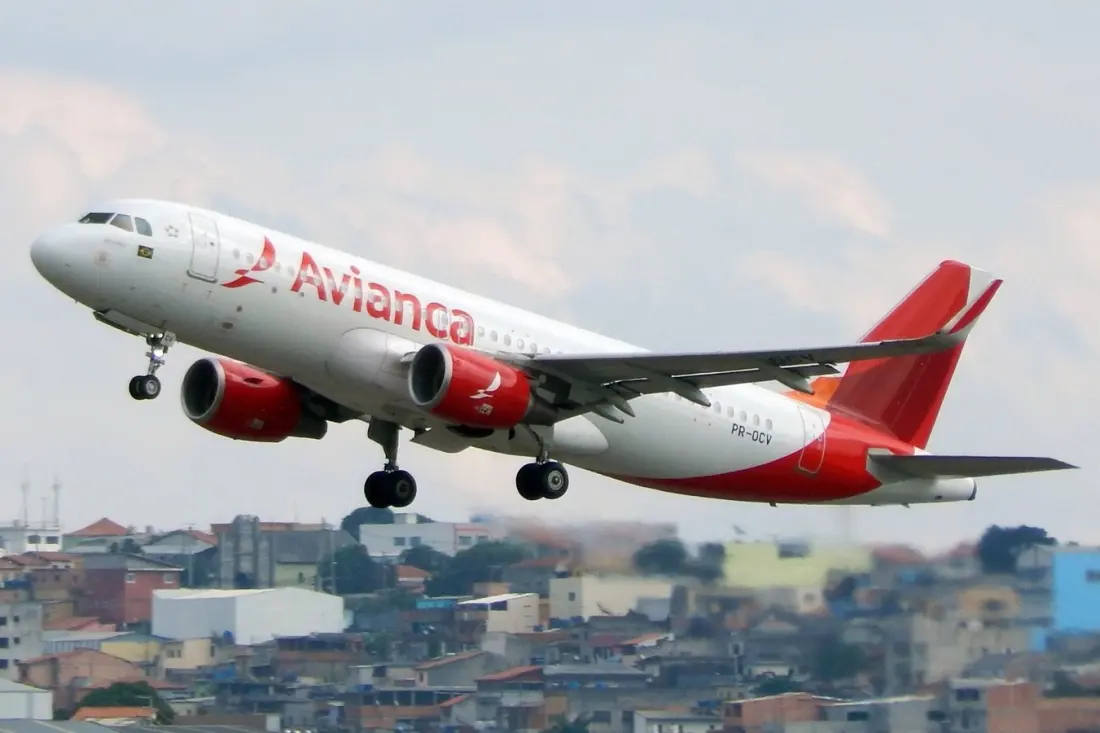
An overnight Avianca flight from Medellín to New York ended up in Miami instead, after the Airbus A320 hit severe turbulence over the Caribbean in the early hours of Friday, October 9. Nine people on board were hurt or made unwell — six passengers and three cabin crew — and eight of them were taken to hospital by ambulance after the plane touched down safely shortly after 3:30 a.m. At least one person was taken to Miami's Ryder Trauma Center, which handles serious injuries, though a full picture of everyone's condition has not yet been released.
The details from flight-tracking data are striking. Flight AV042 left Medellín around 10:40 p.m. on Thursday, bound for John F. Kennedy International Airport, and was cruising at roughly 35,000 feet when it ran into trouble about two and a half hours into the trip. According to FlightRadar24 records, the aircraft lost around 25,000 feet of altitude in a matter of minutes — a dramatic descent by any measure. What caused the turbulence hasn't been confirmed.
Emergency crews were staged on the apron in Miami when the plane landed, and Miami-Dade responders treated people on arrival. One of the nine affected did not need hospital treatment. For everyone else, the diversion scrambled their plans: the flight had been due at JFK at 8:25 a.m. Friday, and Avianca says its airport teams worked on getting uninjured passengers on their way to New York, though it's not confirmed whether all of them made it the same day.
Why does this matter to travellers? Mostly as a reminder of a routine-sounding precaution: keep your seatbelt fastened whenever you're seated, even when the sign is off. Injuries in clear-air turbulence — which can appear with little or no warning, far from any storm — almost always involve people who were unbuckled or standing. Cabin crew are especially exposed, which helps explain why three of the nine hurt here were working the flight. Routes between South America and the US cross the Caribbean and the intertropical convergence zone, an area prone to sudden, powerful pockets of unstable air.
The story is also a note on what happens when things go wrong mid-air. Pilots divert to the nearest suitable airport — here Miami, a major hub with trauma facilities nearby — and passengers can expect long waits, rebooking headaches and, in some cases, overnight stops. Travel insurance that covers trip interruption and medical costs is worth having on any long-haul flight, and it's sensible to know your rights if a diversion strands you short of your destination. For now, Avianca says assistance procedures were activated and it remains in contact with those affected; the airline has not detailed the injuries or confirmed everyone continued to New York.