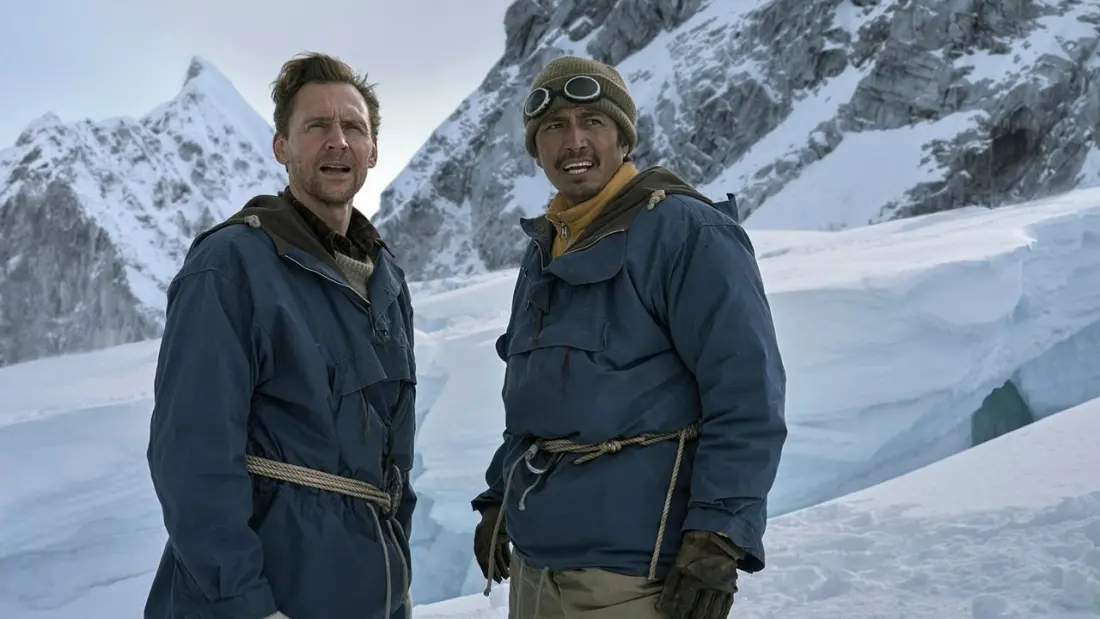
The new film Tenzing retells the first ascent of Everest from the Sherpa side of the story, with Tibetan actor Genden Phuntsok as Tenzing Norgay and Tom Hiddleston as Sir Edmund Hillary. Willem Dafoe plays expedition leader Colonel John Hunt. Director Jennifer Peedom, who spent years filming in the Himalayas and made the 2015 documentary Sherpa, shot across Nepal and New Zealand – and the locations are as much a character as the climbers.
Nepal did the heavy lifting for the early-life scenes. The crew spent three months in the country during pre-production, then six weeks filming. Mustang, near the Tibetan border, stood in for the high plateau where Tenzing was born and for Sherpa village scenes originally planned for the Khumbu region, which earthquakes made unworkable. Cultural accuracy mattered: the team got sign-off from Tenzing's family, worked with local language and cultural consultants, and drew on stories from his daughter Pem Pem – like him training up Darjeeling's hills with rocks in his backpack.
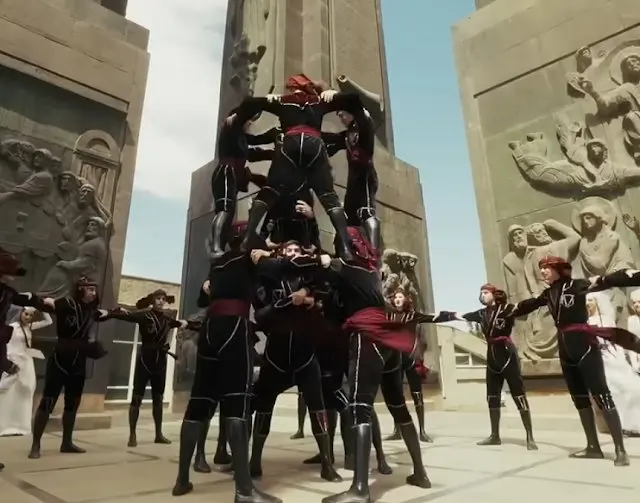
Kathmandu contributed Patan Durbar Square, a UNESCO World Heritage Site and still an active place of worship. The crew negotiated just two hours of access to film two major scenes with a large crowd of extras, plus work in real monasteries around religious holidays.
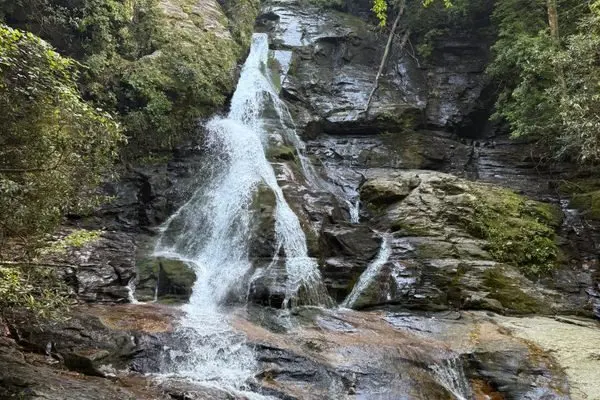
For Everest itself, the production headed to Aotearoa New Zealand's South Island, consulting Māori representatives Te Rūnanga o Arowhenua and the Department of Conservation. The Southern Alps, Hiddleston notes, closely mirror Himalayan ice formations and crevasse fields – just 4,000 metres lower, so a film crew can actually breathe up there. The summit scene was shot for real on Aoraki/Mount Cook on a clear day, with the actors roped together and taking turns leading. The famous crevasse rescue – which genuinely happened, with Tenzing performing a self-arrest to save Hillary – was filmed on the Darwin Glacier, with safety lines drilled into the ice and a camera suspended on a wire jib. A surprise dump of ten metres of snow forced last-minute location changes.
The actors also walked the real trail. Hiddleston and Phuntsok trekked six days from Lukla's Tenzing-Hillary Airport towards Everest Base Camp, staying in teahouses, climbing no more than 500 metres a day to acclimatise, and sharing the path with yaks and donkeys. Phuntsok spent ten days beforehand with legendary Sherpa climber Phurba Tashi. Preparation included rope work, ice-step cutting and a Tyrolean traverse.
For travellers, this is a handy double bill of inspiration: Nepal's Mustang and Khumbu regions for trekkers drawn to Sherpa culture and mountain teahouse routes, and New Zealand's South Island for anyone who wants Himalayan-scale ice scenery with far better access. The film also reframes why people climb at all – Phuntsok describes approaching the mountain with respect and asking permission, a Sherpa cultural view worth understanding before you lace up your boots.