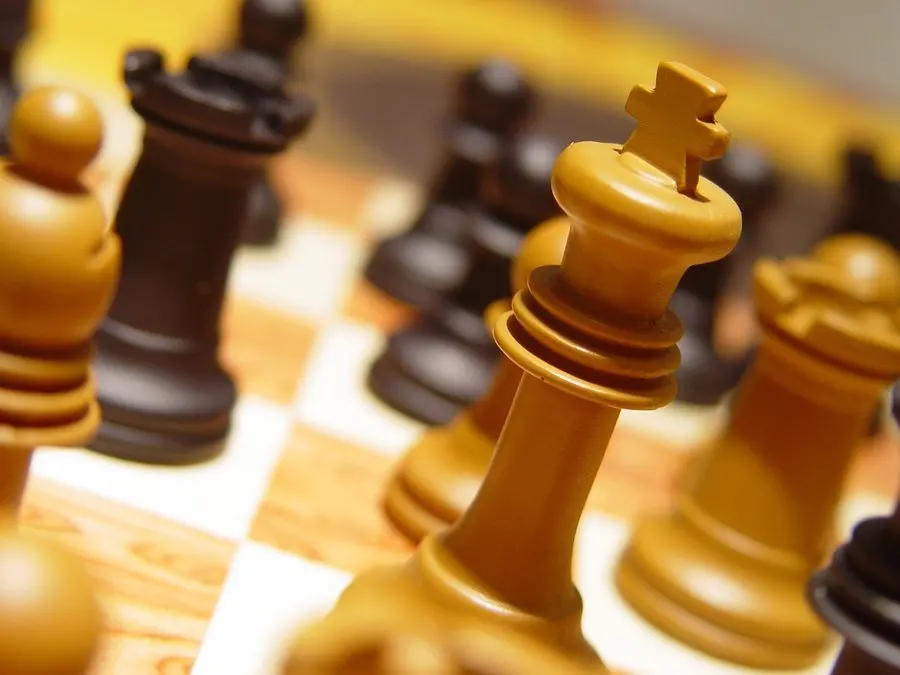
Mexico's capital has a thing for chess, and it shows. On October 22, 2006, more than 13,000 players packed the Zocalo — the enormous main square in the heart of Mexico City — to play simultaneous games for hours on end, setting a new world record for the most chess games played at one place at the same time. The title did not have to go far: it was taken from Pachuca, in the neighbouring state of Hidalgo about an hour away by road, where over 12,000 players had claimed the record just a year earlier in 2005.
The mass match was actually the second big chess event Mexico hosted that year. Back in February, the colonial city of Morelia, in Michoacan, staged the first leg of the Linares tournament — the event often called the Wimbledon of chess — drawing six of the world's top ten grandmasters to a city better known for pink stone churches and baroque facades than for 64-square battles.
And there was more to come. Mexico City was announced as host of the World Chess Championship 2007, scheduled for September at the Sheraton hotel facing the Alameda, the leafy central park in the historic downtown. For chess fans, that put the biggest event in the game on the doorstep of museums, murals and some of the best street food on the planet.
Mexico's chess pedigree runs deeper than most people realise, though it is often overlooked. The country produced Carlos Torre Repetto (1904-1978), creator of The Mexican Defense. His peak came in 1925 in Moscow, where he beat US grandmaster Frank Marshall, drew with Cuban world champion Raul Capablanca, and defeated former world champion Emanuel Lasker. Like plenty of chess geniuses, Torre remained an enigma: he burst onto the world scene, toppled some of the greatest players alive, then retired just as abruptly, leaving commentators guessing for decades about why. His hometown of Merida, in Yucatan, keeps his memory alive with an annual tournament held in his name.
So why should a traveller care? Because this is a fun angle on Mexico most itineraries miss. If you are in Mexico City, the Zocalo and the Alameda are highlights anyway — the Metropolitan Cathedral and National Palace frame the square, and Diego Rivera's murals fill the palace inside. Standing where thousands once played, or timing a trip to a chess event in the capital, adds a quirky layer to a city break. Morelia makes an easy side trip from Mexico City or a stop on a route to Patzcuaro, and Merida pairs a chess pilgrimage with Yucatan's plazas, cenotes and day trips to Uxmal. For players and casual fans alike, Mexico offers a chance to combine world-class sightseeing with a bit of grandmaster history.