A choir in Pamplona's cathedral, a pair of sodden hiking socks, and a wind-scoured summit crowned with metal pilgrim statues — that's day four of a Camino Frances walk, as recounted by a thru-hiker for The Trek.
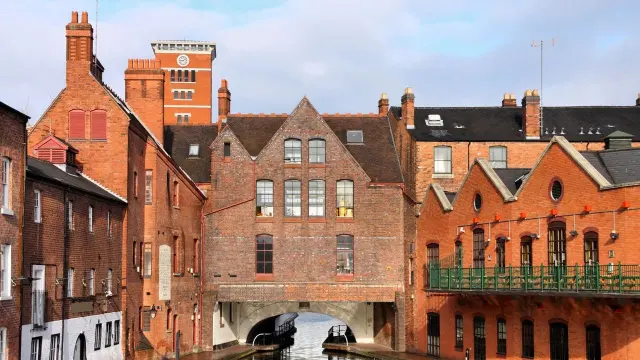
The stage is Pamplona, the Navarrese city better known for its running of the bulls than as a pilgrimage launchpad. The writer, drawing on an earlier Appalachian Trail thru-hike, frames the trip around the question every long-distance walker eventually faces: why am I doing this? For them, the answer turned out to be spiritual — a sense of trust and calm — sparked by hearing a live choir in Pamplona's vast Gothic cathedral, where the acoustics produced an emotional shiver (the French call it frisson).
The next morning brought a classic Camino test: pulling on wet socks and shoes in the low-50s Fahrenheit drizzle. One fellow pilgrim insisted on hunting for a dryer before setting off; the writer's advice was simpler — just hike, and your body heat will do the drying. A bakery breakfast in town, notably cheap by the account, briefly distracted everyone from the misery.
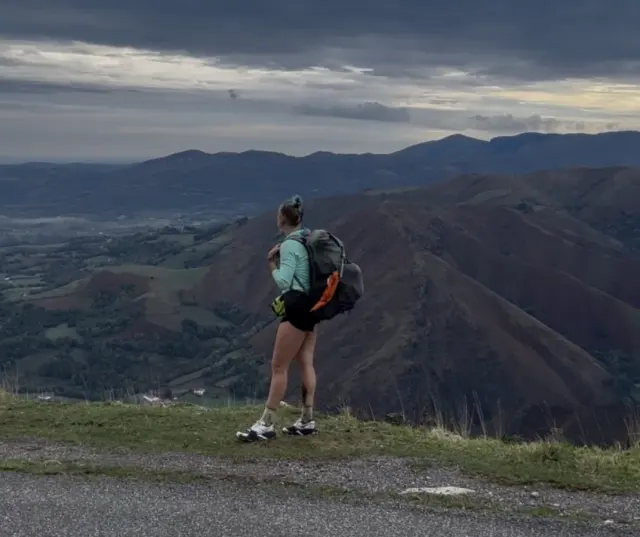
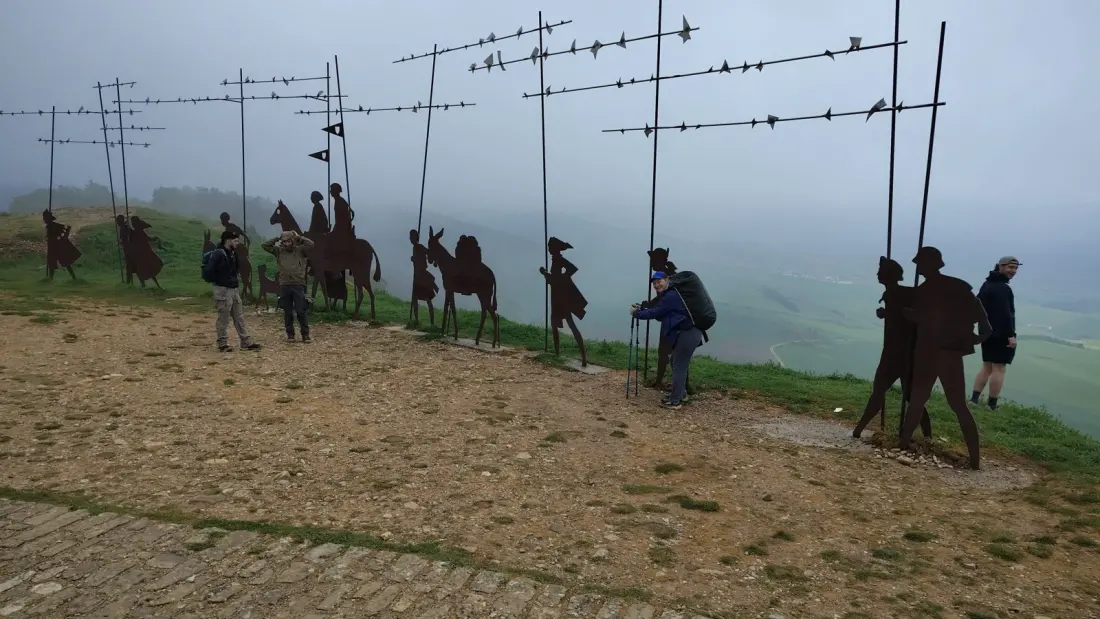
Then came the day's main event: roughly 15 miles from Pamplona to Puente La Reina, including a 4.5-mile, 1,100-foot climb to Alto del Perdón, the ridge every Camino pilgrim knows from photographs. The route passes through the suburb of Cizur Menor, open farmland dotted with sheep and the ruins of an old palace, then the hamlet of Zariquiegui, where a small open cathedral offered shelter from wind and rain. The final third of the ascent is steep and muddy, softened by heather and wildflowers.
The payoff is one of the Camino's most recognizable sights: the wrought-iron pilgrim silhouettes at the summit, wind-bent figures frozen mid-stride. Beyond the ridge, the landscape shifts into a Mediterranean climate — though, the writer warns, the cold and rain weren't finished with them yet. From the peak, the trail drops toward Puente La Reina on a punishing 34% grade.
What makes this account useful beyond the scenery is its honest picture of what walking the Camino actually feels like: it's not wilderness backpacking like the AT, but a thread through intact medieval towns, hostel bunks shared with international pilgrims, and cheap Spanish wine in the evenings. Rain happens. Socks get wet. The communal rhythm — strangers comparing blisters one night, crossing a famous ridge together the next — is the real draw.
For anyone considering the Camino Frances, this stretch is the classic first test after leaving the pilgrim city of Pamplona: a solid climb, a photo-op summit, and a descent into wine country. It's suited to reasonably fit walkers who don't mind sharing dorms, walking in bad weather, and letting the trail set the pace. Pack early-season layers, skip the futile sock-drying, and budget a little extra for the bakery stops.