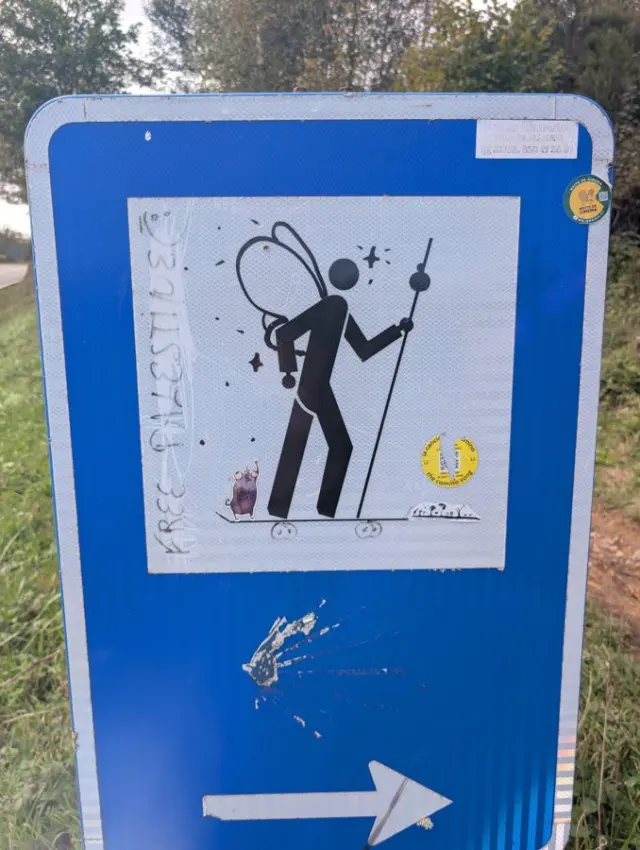
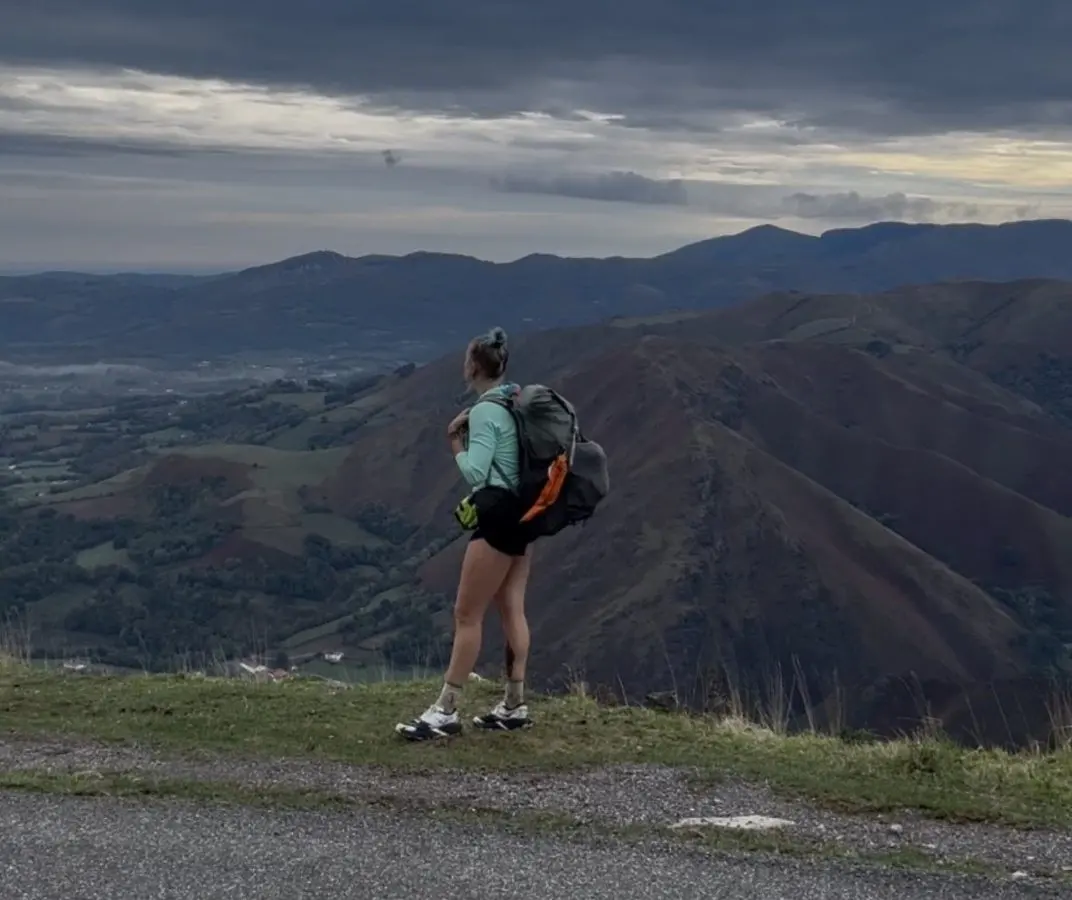
A first day on the Camino de Santiago is famously a big one: the climb out of Saint-Jean-Pied-de-Port in France, over the Pyrenees, and down into Roncesvalles in Spain. One pilgrim writing for The Trek has just done exactly that, and her account captures why this legendary route keeps pulling people in. Signing off as Marley "Chill Out" Kreiser, she's walking what sounds like a month-long trek along the route.
The day started before sunrise, leaving the Basque town in darkness and climbing toward the open high country. There are no trees up there, just rolling farmland and the looming ridge line, and plenty of fellow pilgrims trading places on the path. The region's folklore has a figure for each half of the terrain: Mari, tied to mountains, caves and storms, and Basajaun, a wild lord of the forests who protects flocks and farmers. Between cowbell-wearing cream-coloured cattle sniffing at backpacks and the moss-draped woods on the Spanish side of the pass, both characters feel present.
The social side of the Camino shows up quickly. Our walker fell into step with a group of five women from several countries hiking a section together, one of whom lit up at the mention of Pennsylvania and asked about scrapple, a local meat product. Later a Venetian man with limited English shared a trekking pole for the final climb, and the descent into Spain was marked by locals offering the day's first "hola."
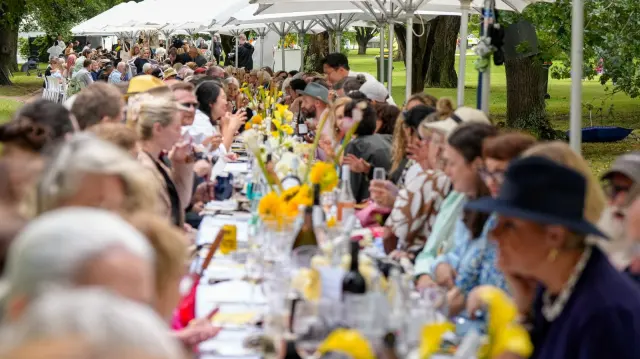
Roncesvalles itself delivers on pilgrim infrastructure. The Albergue de Peregrinos de Roncesvalles is a huge, well-run hostel with staggered entry from 2 pm, and the town's 13th-century French Gothic church, the Iglesia colegial de Santa Maria, hosts an evening mass that ends with the priest blessing all the pilgrims in the room. Dinner is the classic pilgrim meal: family-style at shared tables, where one table happened to mix travellers from the US, Latvia, Germany, Canada and Hong Kong. Strangers become companions fast, with none of the usual awkwardness.
For anyone considering the Camino, this is a useful slice of what to expect. The first stage from Saint-Jean-Pied-de-Port to Roncesvalles is the physical rite of passage, roughly 25 kilometres with serious elevation, and it's doable if you're reasonably fit and start early. Accommodation along the route is built around pilgrims: simple albergues with bunk beds, communal meals, and a culture where trail names and small kindnesses are normal. You don't need to be religious to appreciate the ritual side, though it's worth knowing masses and blessings are part of the fabric of the route.
Who's it for? Hikers who want a long walk with built-in community, solo travellers who'd rather not feel alone, and anyone curious about walking across a border under their own steam. The writer's verdict after day one: a perfect start, with a month of the same ahead.