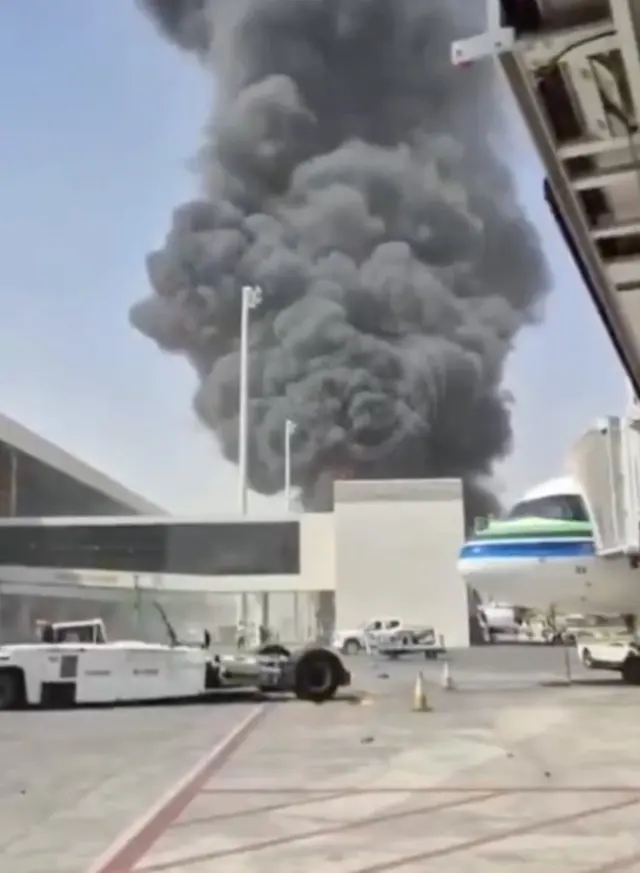
Delta Air Lines is set to make aviation history on October 23, when it plans to launch nonstop flights from Atlanta to Riyadh — the first time a US carrier has ever served Saudi Arabia directly. But the timing is awkward, to put it mildly. The route debut follows a week of deadly attacks on King Khalid International Airport, including an October 10 strike that Saudi authorities say killed at least 12 people and injured more than 300. The airport has had to suspend operations again, and Iran-backed Houthi forces in Yemen have claimed earlier attacks on the facility. As of the latest reports, Delta has not postponed the launch.
There are hints that filling seats on this route was never going to be easy. In August, Delta was selling one-way award seats for as little as 15,000 miles — a strikingly aggressive redemption rate for a transatlantic-length flight — which the airline framed as a way to introduce travellers to Riyadh and lock in early bookings. Low award pricing isn't proof a route is struggling, but it's a clear signal Delta wants bodies in seats fast.
The broader picture is even more complicated. Virgin Atlantic, in which Delta holds a 49% stake, cancelled its own London–Riyadh service back in April, citing the conflict, safety assessments and the practical difficulty of running a reliable schedule into the kingdom right now. So while one carrier is pushing forward into Riyadh, another with close Delta ties has pulled out entirely.
For travellers, this is a genuine fork in the road. Saudi Arabia has spent years courting international visitors with mega-projects, new visa options and a push to diversify beyond oil — and a direct US–Riyadh link would have been a milestone for anyone planning a trip from North America without connections through the Gulf or Europe. If the route launches as scheduled, it could also mean cheap award redemptions and introductory fares continuing for a while as Delta works to build demand.
But the security situation is the overriding consideration. An airport that faces repeated strikes and repeated suspensions is an airport where schedules can collapse at short notice, and travel insurance that covers conflict-related disruption becomes essential rather than optional. Anyone holding a booking on this route — or eyeing those 15,000-mile seats — should watch Delta's advisories closely, understand the rebooking rules, and think hard about whether a Riyadh trip makes sense for them right now versus later in the route's life.
For the Saudi tourism industry, the stakes are bigger than one flight. The war next door is reshaping the economics of an ambitious national tourism push, and the calculus for Western carriers and their passengers is changing week to week. Whether Delta's Atlanta–Riyadh service becomes a regular fixture or a cautionary tale will say a lot about how quickly confidence returns.
Story via Skift.