
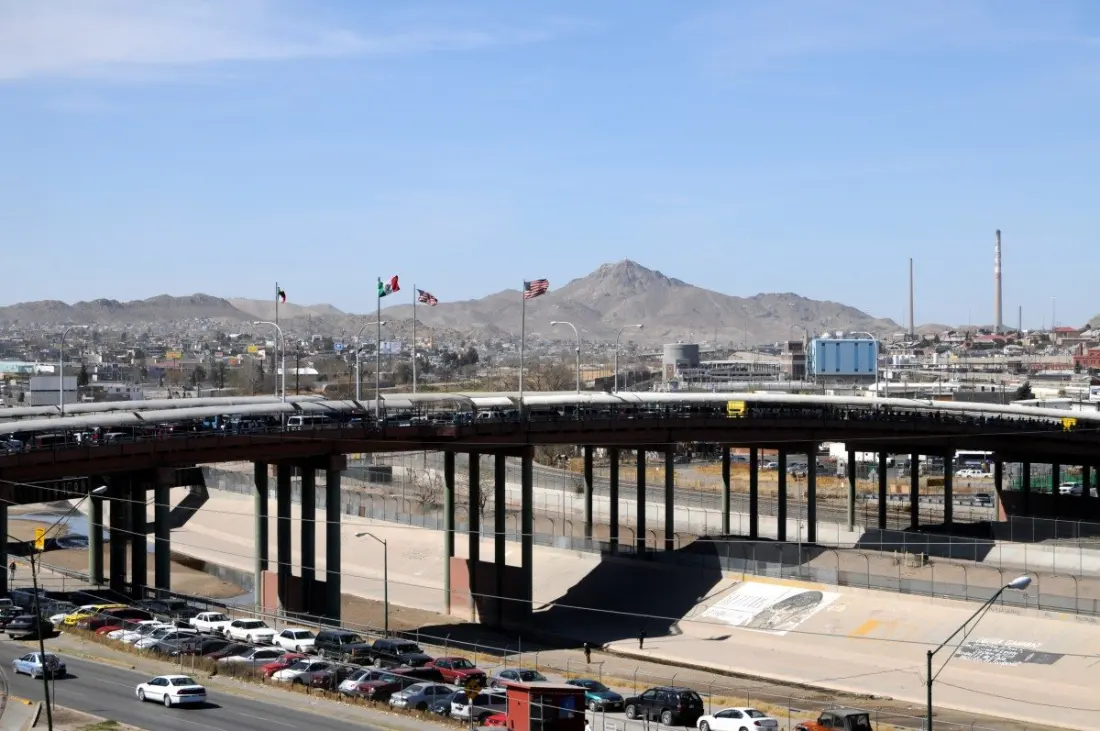
Planning a road trip south of the border? Mexico lets you bring in your US- or Canadian-plated car, but the rules differ sharply depending on where you drive and what your immigration status is — and getting it wrong can mean your vehicle gets seized at a checkpoint.
The basics: foreign-plated vehicles can enter Mexico freely only within roughly 25km (15 miles) of the border or inside the designated Free Zones — the entire Baja California peninsula, most of Sonora's populated corridor (Hermosillo, Guaymas, Puerto Peñasco, San Carlos, Nogales and others), and the whole state of Quintana Roo on the Caribbean coast. Your home-country registration and stickers must stay current while the car is in Mexico. Anywhere beyond those areas, you need a Temporary Import Permit (TIP).
Here's the catch: TIPs can only be issued before you cross, through the Banjercito bank. There's no way to get one inside Mexico or at an interior checkpoint, so sort it out at the border.
How long the permit lasts depends on your status. Tourists on an FMM visitor permit get a maximum of 180 days, non-renewable. Holders of Residente Temporal (including students) get a permit tied to their residency card — and if you entered on a residency sticker rather than the card, it's only valid for 30 days until you visit customs. You must drive the car out before the permit expires; overstay and you forfeit your deposit and the vehicle becomes liable to impoundment. You can leave Mexico without the car while the TIP is still valid, which is handy for fly-home trips.
Permanent residents are the odd ones out. Residente Permanente holders cannot apply for a TIP at all, so a foreign-plated car is only legal for them inside a Free Zone. Anyone switching from temporary to permanent residency outside those zones has three options: export the car and buy a Mexican-plated one, pay to regularize the vehicle and get Mexican plates, or formally import it via a customs broker with duties paid.
A few practical extras. You can enter and exit Mexico through different ports — say, import at the US border and drive out via Belize. If your TIP has already expired, the "Retorno Seguro" (Safe Return) program lets you drive the vehicle out within five days of being issued the permit without it being seized. And don't abandon a car in Mexico: customs will charge 40% of its value, and even genuinely stolen vehicles need a police report, customs forms and a notary to cancel the TIP cleanly.
Why does this matter to travellers? Road-trippers heading to Baja's beaches or the Riviera Maya can drive on US or Canadian plates with no permit at all — just make sure your registration is valid and, if you ferry from La Paz to the mainland, be ready for the import rules to kick in. For everyone else, the TIP is cheap insurance against losing a car worth thousands: get it at the border, mind the clock, and drive out before it lapses.