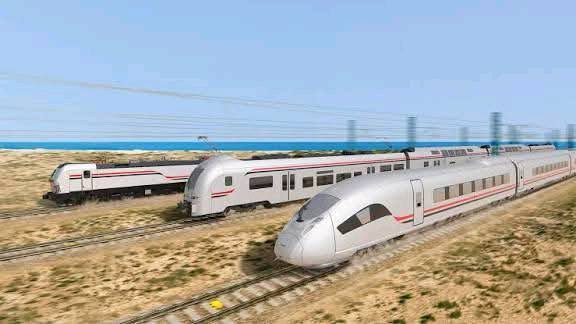
Egypt plans to have passengers riding its first high-speed electric rail line by July 2027, according to Transport Minister Kamel El-Wazir. The 660-kilometre route links Ain Sokhna on the Red Sea with Marsa Matrouh on the Mediterranean, with 21 stations and a central control centre along the way.
The line threads together several places travellers actually go: Cairo, Alexandria, the fast-rising resort city of New Alamein, and Marsa Matrouh's beaches, plus industrial and logistics zones in between. Trains will hit 250 km/h on the fast services, cutting the Cairo to Marsa Matrouh trip to roughly two to two-and-a-half hours. The full Ain Sokhna to Marsa Matrouh run should take about three to three-and-a-half hours — a route that currently means a long, tiring drive or a domestic flight workaround.
Not everything on the tracks will be express. The plan calls for 15 high-speed trains, 34 regional trains stopping at intermediate stations (capped at 160 km/h), and 14 freight locomotives, reflecting the line's dual role as part of a Sokhna-Alexandria logistics corridor linking Red Sea and Mediterranean ports. Passengers will also be able to connect to Cairo's Light Rail Transit at Capital Central Station.
This is just the start. Egypt's wider high-speed network is planned at around 2,250 kilometres across four lines, with the first three covering about 2,000 kilometres. Line two will run from 6 October City through Upper Egypt down to Abu Simbel, while line three connects Qena with the Red Sea resorts of Hurghada and Safaga. Trial runs on sections of the first line were slated for September 2026, with about six months of testing before passengers board.
For holidaymakers, the significance is straightforward: Egypt's big coastal draws are currently connected by slow roads or short flights, and a reliable rail spine could reshape how trips are planned. Imagine diving in Ain Sokhna, sightseeing in Cairo, and finishing on Marsa Matrouh's Mediterranean beaches without renting a car or juggling multiple connections. The Hurghada and Abu Simbel lines, when they arrive, would do the same for Nile valley and Red Sea itineraries.
Worth noting the 2027 date is a target, not a ticket on sale — Egyptian infrastructure projects have shifted timelines before. But with testing due to begin soon, this is the closest the network has come to reality, and it's worth factoring into any trips planned for late 2027 and beyond.