A spirit crawler across a corrugated roof in Mikumu, a village on the edge of Libreville, while dancers daubed in white ash spun around it. This is the welcome Gabon offers: part rainforest mystery, part living culture. The ritual belongs to Bwiti, a spiritual discipline born in the country's dense forests, and it sets the tone for a country where roughly 88% of the land is tropical rainforest and fewer than 2.5 million people live in a space the size of the US state of Colorado.
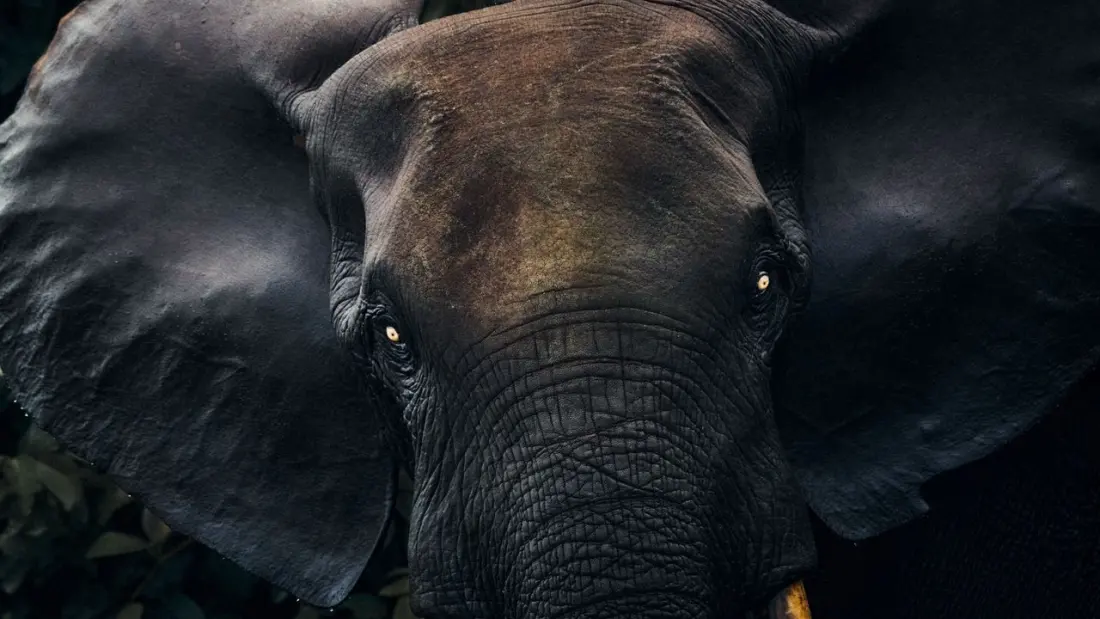
The safari draw is Loango National Park, widely considered the jewel of Gabon's 13 protected parks, a system created in 2002 after American naturalist Mike Fay's 456-day, 2,000-mile Megatransect expedition alarmed the then-government into action. Loango stretches along the Atlantic coast about 150 miles south of Libreville, where rainforest spills onto beaches. Forest elephants emerge from the trees each evening; buffalos graze the savanna; leatherback turtles nest on golden sand; hippos are known to surf. Gabon holds around 95,000 forest elephants — roughly 65% of the global population — making it the species' last stronghold.
The rarest ticket here is a gorilla trek. At Yatouga, a research centre inside Loango's swamps and mangroves managed since 2005 by the Max Planck Institute, one family has been habituated for study. Just four tourists may join the once-daily trek, and spotting the troop depends heavily on season — February's fig-fruiting peak brings them close to camp. With trackers leading, visitors can find silverback Kamaya's 17-strong family, often including a baby, within half an hour of setting out.
Where to stay: Ndola Camp, run by state-linked Luxury Green Resorts, sits on a lagoon at the park's northern end — think en suite tents with hot water and air conditioning, luxury by Gabonese standards where even ice is scarce. Sette Cama, near the Ndogo estuary outside the park, is one of the country's longest-running lodges, operating mainly as a catch-and-release fishing camp for tarpon under strict marine protection rules.
Honest caveats matter here. Gabon is expensive, infrastructure is thin, French is the working language and English-speaking guides are rare — ask for one by name when booking. Getting to Loango means a 35-minute flight from Libreville or a road trip from Port-Gentil. Politics has been volatile since the 2023 coup that ended the Bongo dynasty, and rangers have gone unpaid, with oil pollution washing up on beaches from rigs and shipping further down the coast. This is not a polished East African safari; it's raw, sometimes frustrating, and all the more memorable for it.
For travellers who've done the Big Five circuit and want something genuinely few people have seen — gorillas in mangroves, elephants on the beach, and a Bwiti masquerade danced by firelight — Gabon rewards the effort like nowhere else on the continent.