Croatia may be in for an unusually mild — and soggy — winter. That's the message from Zagreb geophysicist Mirko Orlić, who broke down the latest forecasts as a potentially record-breaking El Niño intensifies in the Pacific.
The World Meteorological Organization expects the phenomenon to peak in December and almost certainly run through February. Sea surface temperatures in the key Pacific monitoring zone could average 3.7°C above normal between October and December — enough to beat the previous record. Three comparably strong El Niños have been recorded since the mid-20th century, Orlić noted, and every one brought an above-average warm winter to Croatia. Seasonal models say the same this time.
Rain is the other big story, and the Adriatic itself is partly to blame. Open-sea temperatures hit 28–29°C this summer, well above the usual 27°C August peak. All that stored heat, Orlić explained, sets the stage for atmospheric instability: when cold, moist air moves over a warm sea, heavy precipitation becomes far more likely. In plain terms, expect a winter that's both warmer and wetter than average, with a heightened risk of storms along the coast.
There's a wildcard, though. Arctic warming is shrinking the temperature gap between the pole and the equator, which can bend the jet stream — the current that steers weather over Europe. Orlić described it as a battle playing out overhead: if El Niño wins, conditions stay milder and shift quickly; if Arctic processes dominate, weather disturbances become more extreme and linger longer. Seasonal forecasts can't settle that contest in advance, so no one can promise a specific storm or flood months out — only that the odds favour warm and wet.
Beyond weather, a strong El Niño tends to disrupt global agriculture by shifting rainfall patterns, as the 2023–24 event showed when a weak cocoa harvest sent chocolate prices climbing. With this one stronger, similar knock-on effects are considered likely.
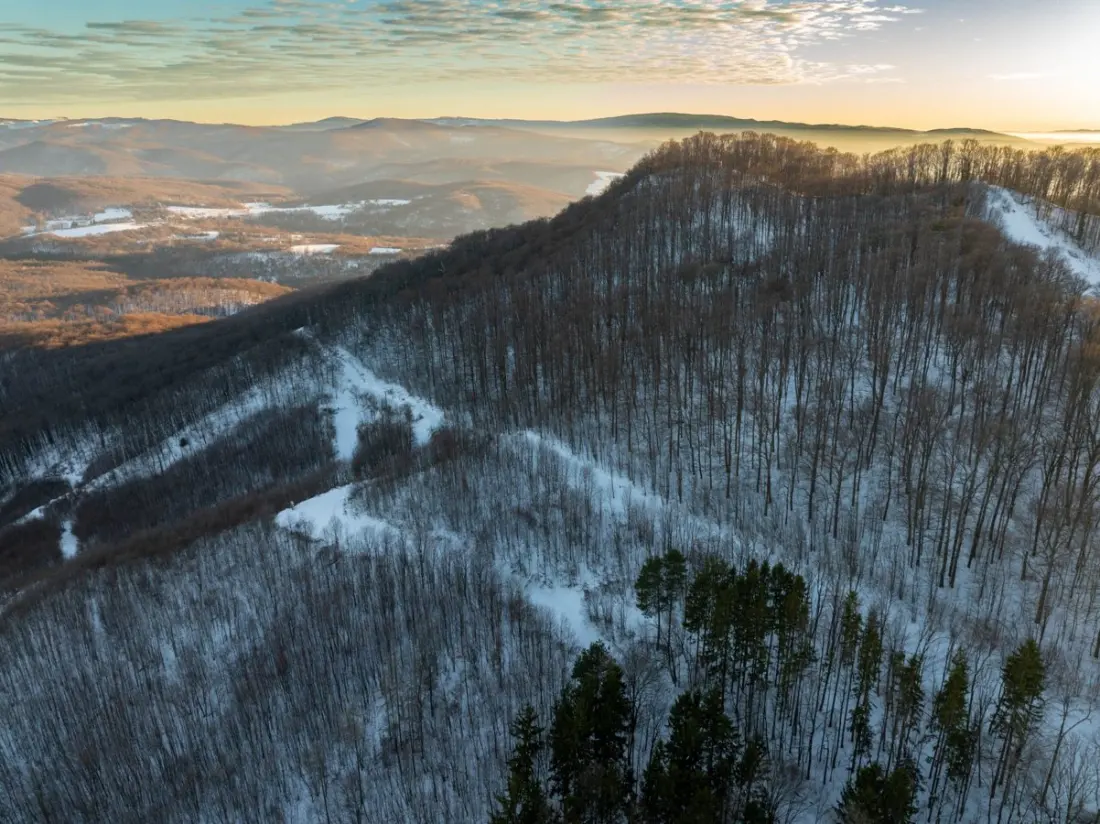
For travellers, the practical takeaway is modest but real: a winter city break in Zagreb or Split is likely to feel unusually mild, but pack proper rain gear and build flexibility into coastal plans, since heavy downpours are more probable than in a typical winter. Ferry and outdoor activity schedules along the Adriatic are the first things bad weather disrupts, so keeping an itinerary loose is smart. On the flip side, if you were hoping for reliable snow in the mountains, forecasts point away from a classic white season.
Original reporting: Total Croatia.