A powerful El Nino has taken hold of the Pacific, and forecasters are not mincing their words. The World Meteorological Organisation puts the odds of it persisting through to February 2027 at close to 100 per cent, while the Met Office's head of long-range forecasting, Professor Adam Scaife, says he has "never seen an El Nino signal this intense" in the forecasts. The UK Government Office for Science expects it to peak around December 2026 and possibly run until spring 2027 — potentially the strongest event on record.
So what is it? El Nino is a natural climate pattern triggered by unusually warm ocean surface water in the central and eastern equatorial Pacific. That warm water shoves global weather systems around: floods in some places, drought in others, plus heatwaves, storms and fires. The Nino 3.4 index, the standard yardstick, measured sea temperatures a full 2.0C above normal in July.
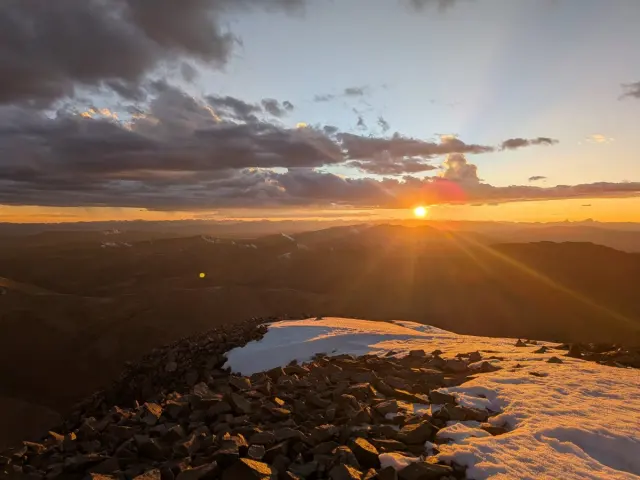
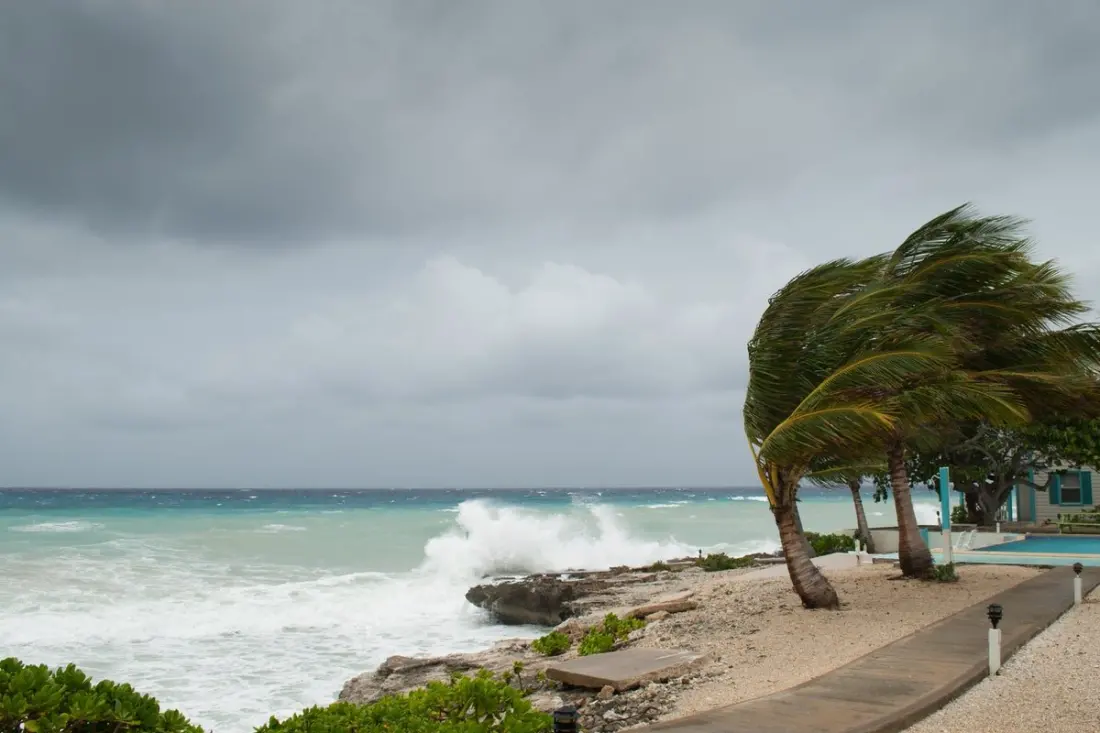
For holidaymakers, the effects depend heavily on where you're headed. East Africa's safaris are in for a wet spell — the "short rains" from October to December are forecast to be heavy, and swollen rivers could cut off camps in Kenya and Tanzania. Southern Africa, by contrast, is looking at a hotter, drier summer through March across Botswana, Zimbabwe, Namibia, southern Zambia and much of South Africa. The Caribbean should see fewer hurricanes and plenty of sun, though drought is the flip side for islanders. Skiers heading to the southern half of the American West may actually benefit: NOAA expects above-average snowfall there, with wet weather in California, the Southwest and the southern Rockies.
Several governments are already acting. Ecuador has declared a red alert, California's Governor Gavin Newsom has declared a state of emergency ahead of the storm season, and the UK Foreign Office warns of heavy rain, flooding and landslides on Peru's northern and central coast from late 2026 to April 2027, with possible road closures. Japan's meteorological agency says El Nino conditions are virtually certain to last through the northern winter, and India's foreign minister has flagged a possible "major food crisis" as the phenomenon compounds global tensions.
Dr Ioana Colfescu of the National Centre for Atmospheric Science sums up the advice neatly: treat booking like you would a trip to Scotland and build in flexibility. Book refundable rates where possible, check what your travel insurance covers for weather disruption, and be ready to shift dates. If you're cruising, watch Panama Canal itineraries — drought can affect transits. And if you're staying somewhere in drought, go easy on water; locals live with the shortage long after you fly home. Divers and snorkellers should also brace for possible coral bleaching, including on the Great Barrier Reef next summer.
The upside? The Caribbean and Bali look set for reliable sunshine before their wet seasons. The downside is real for residents facing drought and floods — so a bit of flexibility and a good insurance policy are this winter's essential packing.