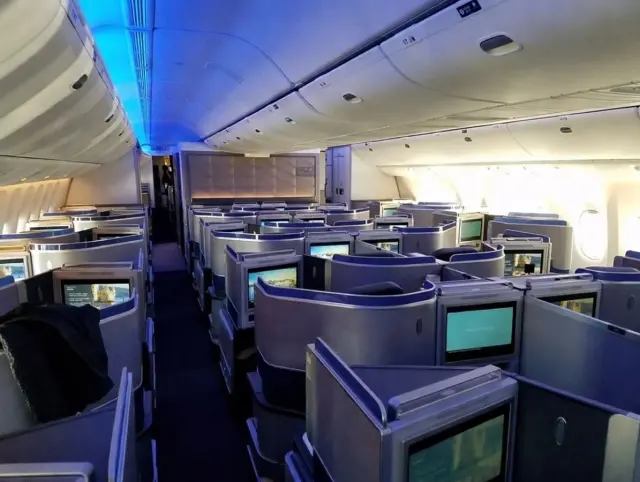
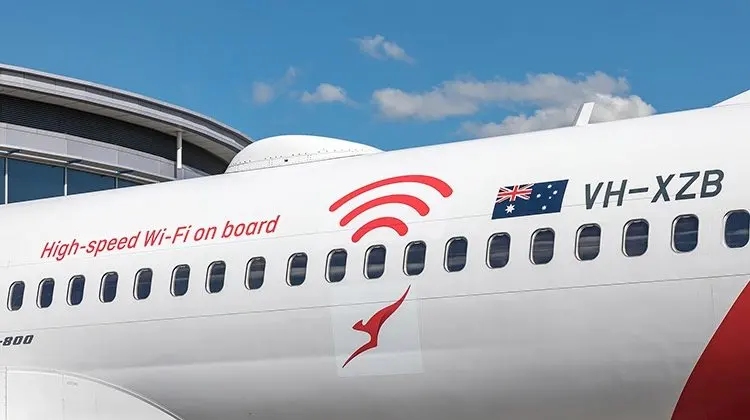
Inflight internet has quietly gone from nice-to-have to dealbreaker, and the three big US airlines are now on very different timelines. Delta's boss Ed Bastian chose Amazon's Leo satellite service over Starlink — and won't start installing it until 2028, with JetBlue (the other Amazon partner) debuting in 2027. Meanwhile Starlink already has 48 airline partners, offers speeds that rival a home connection, and is live on growing chunks of United's fleet, with American extending its rollout to the whole fleet after an initial Airbus-only phase.
Why does this matter to you as a passenger? Because expectations have shifted hard. A few years ago we'd happily search "does this flight have wifi" and accept any glitchy connection just to send messages. Now nearly every aircraft has internet, much of it free thanks to sponsors like AT&T and T-Mobile — but free-and-slow is starting to grate. Industry data suggests passenger satisfaction with wifi has climbed roughly 20% since the start of the year, yet commenters and frequent flyers increasingly complain about crawling connections even when they cost nothing. The writer of the source piece describes resetting broken wifi on three of his last four flights on American and Southwest.
The real draw isn't streaming — seatback entertainment covers that. It's productivity. Two or three uninterrupted hours with fast, reliable internet turns a flight into a genuine work block, something hybrid and remote working has made far more valuable. One industry benchmark claims 80% of passengers now see inflight wifi as essential to their trip.
Will travellers actually switch airlines over it? Probably not by paying a big premium — but when fares are close, connectivity could tip the balance, especially for business travellers who aren't footing the bill themselves. The catch is information: most booking tools don't yet show which flights have fast wifi, so you can't easily factor it in. United, with roughly a year's head start on Delta and a fleet lead over American, has a window to win over high-value flyers — and once they switch, many tend to stay even after competitors catch up.
For now, the practical takeaway: if you're flying within the US and need to work, check which carrier is installing Starlink on your route before booking. Fast, free and reliable beats slow, free and frustrating every time.
Via Live and Let's Fly