A handball tossed between a father and daughter on a clifftop 120 metres above the Atlantic at Dyrhólaey sums up the argument better than any brochure. That Quebec family had slack in their Iceland itinerary — room for the unplanned — and according to one Reykjavík-based private tour operator, slack is exactly what most family trips to Iceland lose.
The case for Iceland itself is easy. The country is safe, tap water beats anything bottled, English is universal and restaurants welcome toddlers at nine in the evening. The headline sights are outdoors and free: Strokkur erupts every five to ten minutes at Geysir, seals show up at Jökulsárlón glacier lagoon, and icebergs the size of armchairs sit on black sand at Diamond Beach, touchable. Add geothermal pools with slides in most towns and you have a country that seems built for children.
The problems come in between. Iceland looks small on a map, but Reykjavík to the glacier lagoons is nearly five hours each way, and families regularly attempt it as a day trip with kids in the back. The Ring Road gets crammed into seven days when a family with under-tens needs ten. Weather rewrites plans by lunchtime, and one parent ends up as the full-time logistics department: watching for single-lane bridges, gusts, fuel and parking, while missing the view.
A private guide changes the maths. The pace flexes — a sleeping toddler means waiting in the car park at Skógafoss. Groups can split, which surprises people: glacier hikes generally take children from eight or ten, and snorkelling Silfra requires twelve-plus, so with one vehicle the teenagers walk on ice at Sólheimajökull while the youngest meets Icelandic horses nearby, and everyone reunites for lunch with a story. Car seats are fitted before you land (mandatory here for children under 135 cm), and when the south coast is drenched, a guide tracking the forecast has already rerouted the day — Víðgelmir lava tube with its lit walkway is the wet-weather fallback.
Age matters. Under-fives need one real stop per morning and afternoon. Six to twelve is the sweet spot: lava caves, whale watching, puffins from May to August, glaciers from eight. Teenagers respond to effort — snowmobiling on Langjökull, the three-hour Glymur hike with its log crossing, or walking up Eldfell in the Westman Islands, where the ground is still warm from the 1973 eruption. Multi-generational trips are a growing trend here, since the big sights demand no fitness at all; two stops a day with a long lunch is the proven formula.
Skip the Blue Lagoon with small children — under-twos aren't allowed and it's a quiet-adult spa; a town pool with a slide costs a fraction. Treat Reynisfjara's black-sand beach with real respect: the sneaker waves there have killed people. Book no more than one activity a day.
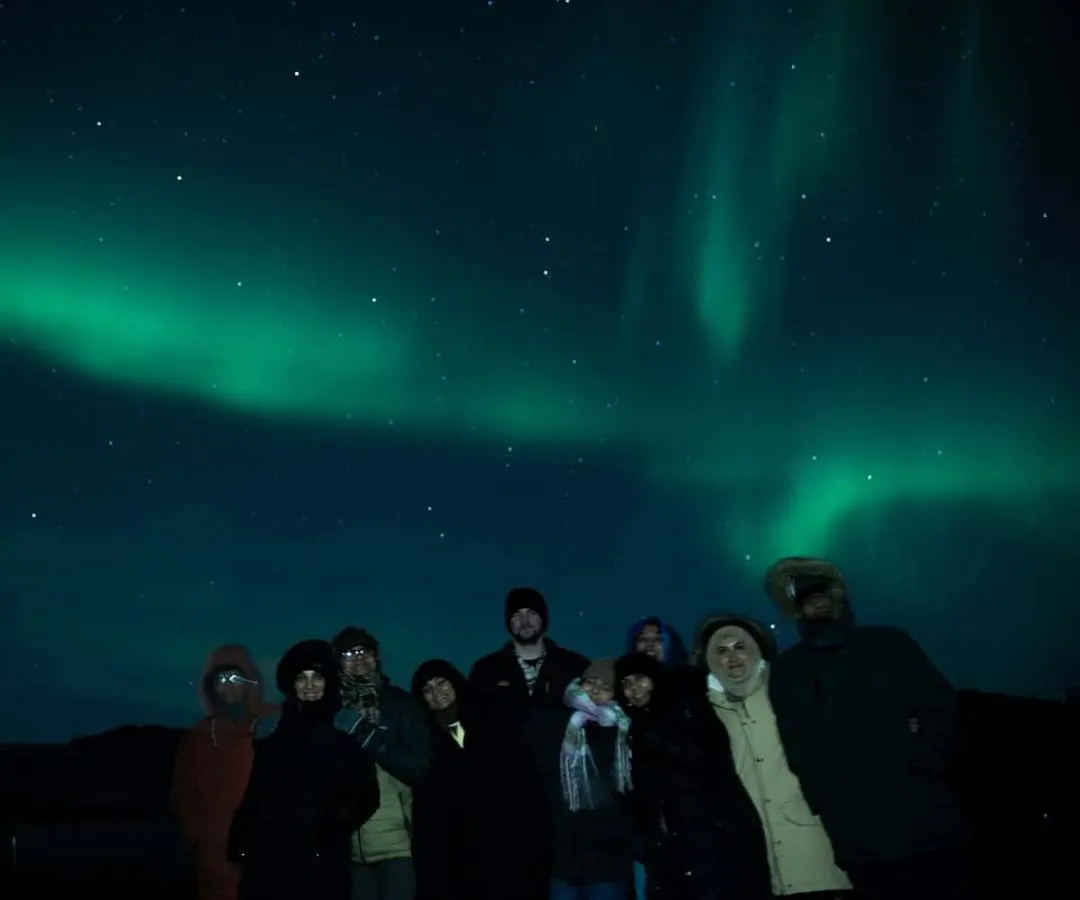
Go in summer for a first family visit, especially with younger kids — near-constant June daylight and puffins. Winter suits teenagers better, with ice caves November to March and decent northern-lights odds, but December offers only four or five hours of light. Planning July or August 2027? Family and connecting rooms sell out early outside Reykjavík, so start in autumn.