Twelve point eight miles of drizzle, slipping descents and a lost hiking buddy — day three of the Camino de Santiago from Zubiri to Pamplona is a good reminder that Spain's most famous walk isn't always postcard weather. It's also a good lesson in why the stage is worth doing anyway.
The day starts early, thanks to church bells ringing on the hour through the night and a final toll at 6am. Pilgrims cross the 2,000-year-old Roman bridge out of Zubiri and climb a series of small hills through forested dirt tracks, passing medieval villages and a church signposted as 12th century. A short industrial stretch quickly gives way to mountain views, and the day's elevation is gentler than the previous stage — though steep, muddy descents had walkers sliding all over the place after the rain moved in.
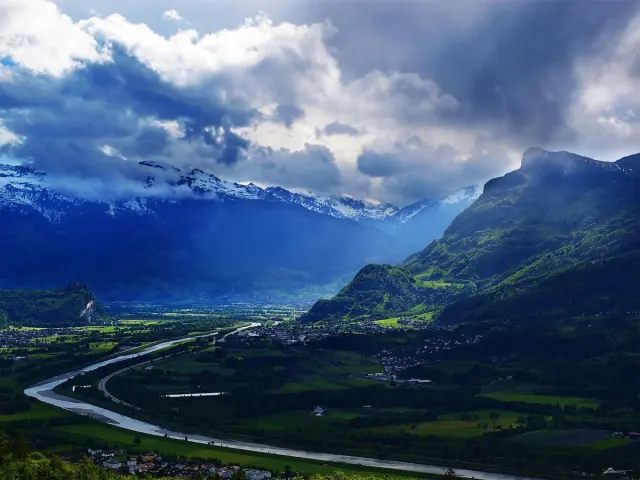
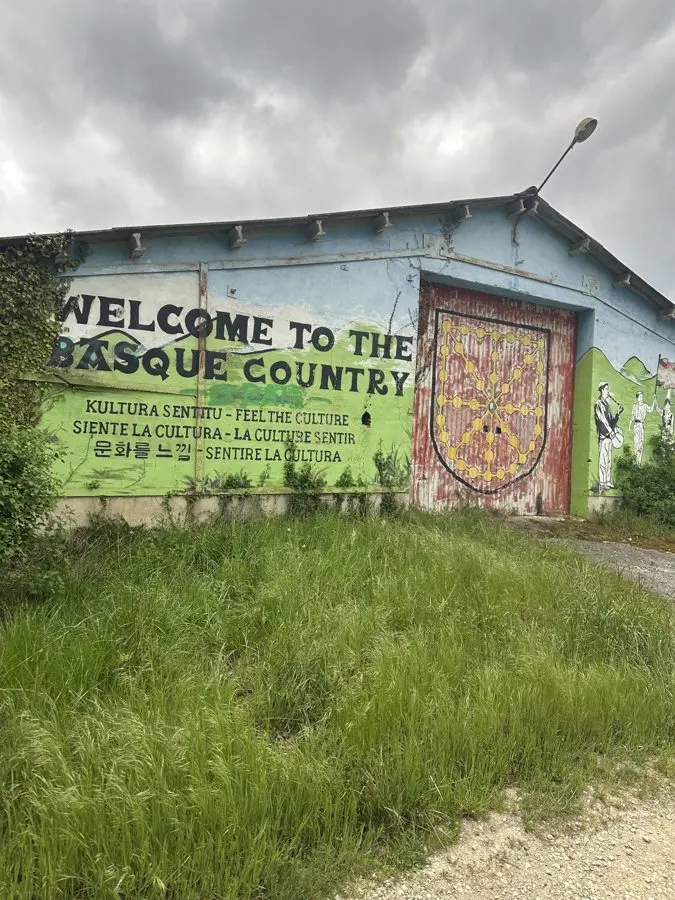
Midway along, a mural marks the entry into Basque Country, the proudly distinct region straddling the Spanish-French border. From there the route follows the calm, narrow Arga river all the way to Pamplona — yes, the city of the running of the bulls — making for quiet, meditative walking.
Navigation proves to be the day's real challenge. At a 12th-century albergue the trail splits, and one hiker in the group follows another pilgrim straight off the Camino and up a hill after missing an abrupt turn. The lesson repeated throughout: the official footpath is sometimes more overgrown than the paved road beside it, and even navigation apps don't always get it right. Closer to Pamplona, the group stumbles into a farming village mid-celebration and watches a wedding unfold — one of those unscripted Camino moments that no guidebook plans.
Pamplona itself is the largest city on the Camino, and entry is dramatic: a big Roman bridge into a park, then through the old city walls via a gate over a drawbridge and former moat. Because the visit coincided with a Spanish public holiday (a kind of Labour Day), every bed in town was booked — advance reservations saved the day. Even finding dinner takes practice: the trick, the walkers learn, is to head for the medieval main square, where bars and restaurants cluster. The evening redeems the soggy day with choral music drifting through Pamplona's vast cathedral and cheap Spanish wine shared with fellow pilgrims back at the albergue.
For anyone considering the Camino, this stage captures what the experience actually is: modest daily mileage, centuries of history underfoot, simple albergue living with showers and shared meals, and weather you can't control. Book Pamplona accommodation ahead if your dates overlap a Spanish holiday, keep an eye on trail junctions in overgrown sections, and always ask a local or look for the square when you need food.