A new long-distance hiking route has just opened in Japan, and it's not in the famous Alps or anywhere near Kyoto. The Hitachinokuni Long Trail is a 320-kilometre circular walking path through Ibaraki Prefecture, north of Tokyo, and it is now the country's longest loop trail. Seven years in the making since being announced in 2019, the full route opened in September.
The trail links six towns — Kitaibaraki, Takahagi, Hitachi, Hitachi Ota, Hitachi Omiya and Daigo — in northern Ibaraki, which is an easy reach from the capital: under two hours by train. That alone makes it a rare thing, a proper long-distance hike you can start straight off the shinkansen-and-commuter network without domestic flights or complicated transfers.
The walking itself is defined by "satoyama" — the traditional Japanese countryside where villages, rice fields, ponds and wooded hills sit side by side. Don't expect high alpine drama. The route stays low in elevation and sees little snow, so it's walkable year-round, a genuine outlier for Japan where most long trails shut in winter. The trade-off: facilities are thin on the ground, with few places to eat or restock, and some stretches are rocky or steep enough to demand decent fitness and good boots.
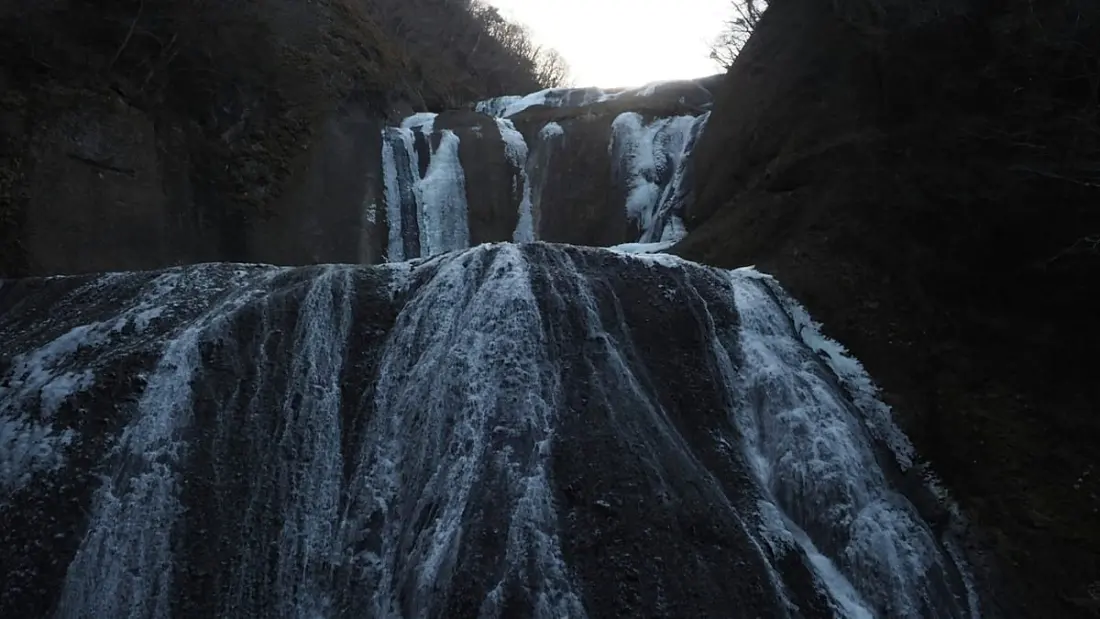
Because it's a loop, you can join anywhere, and the route splits into five rough sections. The Central Area is the tough one — relentless climbs and descents in the Yazimo mountains near Daigo, with rewards including Fukuroda Falls (one of Japan's most celebrated waterfalls), the craggy peaks of Okukuji Nantaiyama and the Ryujinkyo Gorge. The Northeastern section mixes beach walking at Kohama and Sasaki with history: the ancient Salt Road trade route and the Edo-era Jikkoku Canal. To the southeast, the trail climbs Mount Tsuchidake from Hananuki Valley and passes the Kitadaimon Castle ruins before reaching the Kuji River. The Southwest runs through Hitachiomiya and includes a former gold mining district, while the Northwest takes in Mount Yamizo, the supposedly first-century Yamizomine Shrine, and a castle-shaped lookout at the summit with views over Fukushima and Tochigi.
Who is this for? Walkers who have done the Kumano Kodo or the Nakasendo and want something longer, emptier and cheaper — plus anyone wanting a rural, slow-travel Japan trip that doesn't involve queues. The low altitude and winter accessibility make it a realistic shoulder-season or even January option, which almost no other Japanese long trail can claim. Plan your stages around the sparse food and accommodation, carry enough water, and treat the loop design as a feature: a long weekend on one section is a legitimate trip, and you can come back for the rest. The full route is a two-to-three-week undertaking for most hikers.