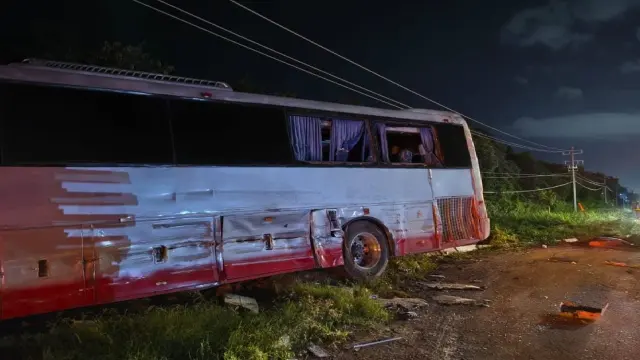
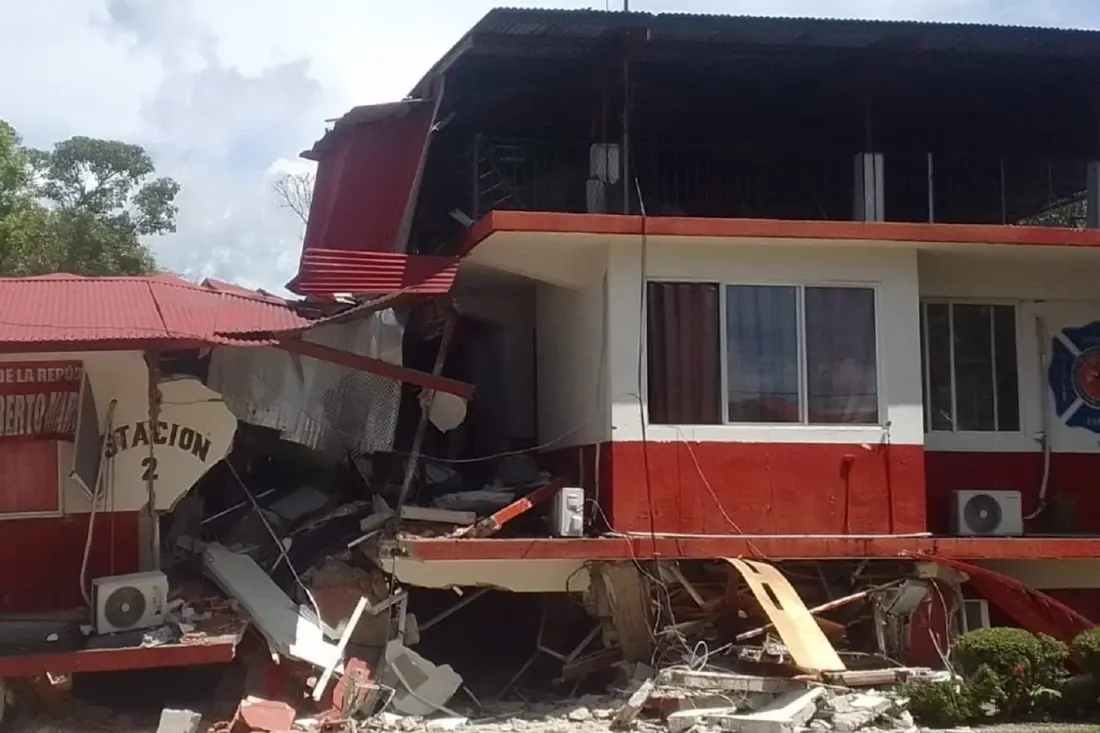
A 7.7-magnitude earthquake struck Panama on a Friday, damaging homes, hotels, churches, schools and roads across the country's central provinces and shaking the capital hard enough to send thousands of people pouring out of office towers and apartment blocks. No fatalities appeared in the initial official reports, though injuries were recorded and President Jose Raul Mulino, after touring affected areas, called it plainly: "The disaster we are facing is major."
The worst damage is concentrated in Los Santos, Herrera, Veraguas and Cocle. In Tonosi, in Los Santos, numerous homes were destroyed or badly damaged, and road closures cut the town off entirely, complicating relief deliveries. Health Minister Fernando Boyd confirmed the isolation, and engineers are still inspecting buildings to determine which are safe.
For travellers, the most relevant impact is on the beach resort corridor at Playa Blanca, where some hotels and vacation properties suffered partial collapses. Several businesses suspended operations and moved guests out while structural checks were carried out. Anyone with bookings in the area should expect disruptions and confirm arrangements directly with accommodation providers.
Panama City felt the tremor strongly. Crowds gathered in open plazas as evacuations snarled traffic, and more than 100 homes in the historic Casco Viejo district sustained damage — not initially classed as severe, but under inspection. Authorities logged over 100 aftershocks, some sizable, which kept many families sleeping outdoors rather than risk returning inside. Seven schools were reported structurally damaged, and in Chitre, Herrera, a drinking water plant was running at just 20% capacity, raising supply concerns.
Key infrastructure largely held. The Panama Canal Authority said vessel traffic continued without interruption, and Tocumen International Airport briefly suspended flights for inspections before reopening. Internationally, the US mobilised personnel and emergency supplies, including a 22-person urban search-and-rescue team with structural engineers, while the Development Bank of Latin America and the Caribbean pledged an immediate $250,000 in humanitarian aid plus a financing facility of up to $50 million.
If you have a Panama trip coming up, the practical picture is this: the canal and the main airport are functioning, but the central provinces — including parts of the Azuero Peninsula popular for its festivals and beaches — are dealing with damaged roads, unreliable water service and continuing aftershocks. Expect hotel and tour operators in affected zones to be cautious about resuming normal service, and follow guidance from Panamanian civil protection authorities (SINAPROC) if travelling in the region. Flexibility on dates and routes is the sensible move for the next few weeks.