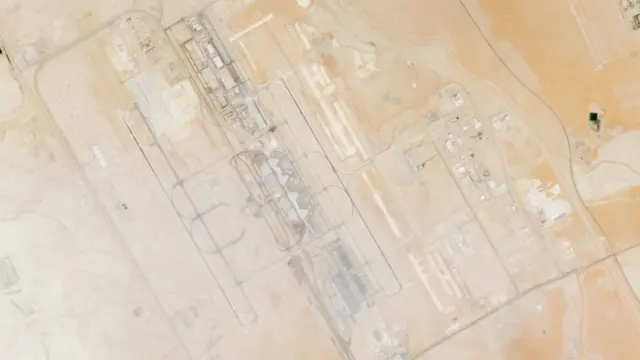

Riyadh's King Khalid International Airport (RUH) has been struck twice in three days, and the second attack was catastrophic. On Saturday, October 10, 2026, a Houthi missile strike on the airport killed at least 12 people and injured at least 309 — the deadliest terror attack in Saudi Arabia in more than a decade, dating back to 2015. Saudi officials have called it a war crime.
The Saturday strike came just two days after a Houthi attack on October 8 destroyed a Saudia Airbus A320 at the same airport, killing three people. Attacks on October 6 and 7 at Saudi airports brought three more deaths. A projectile also landed near King Fahd International Airport in Dammam on the Saturday. The Houthis say they are targeting Saudi Arabia over its support for government forces in Yemen's reignited civil war.
This isn't an isolated blip. Earlier in the year, airports in Abu Dhabi, Dubai and Kuwait were all attacked, and the region has also been shaken by the fallout of the war between the United States and Iran. Add a reported attempt by a flydubai pilot to fly an aircraft into Tel Aviv's Ben Gurion Airport, and the Gulf's long-standing reputation as an artificially safe pocket in an unstable neighbourhood is taking real damage.
That matters for travellers because Gulf hubs built their success on three pillars: prime geography between major population centres, a genuinely premium passenger experience, and — crucially — an image of safety. All three are now in question. Even travellers who accept the statistical risk of an attack may balk at the disruption, rerouting and general unease of transiting the region. One frequent flyer quoted in coverage of the attacks said plainly that he wouldn't transit Riyadh or other Gulf hubs right now, less out of fear of dying than the peace of mind and operational chaos.
The ripple effects are already visible. Delta still lists a new Atlanta–Riyadh route launching within two weeks, despite reportedly near-nonexistent demand — a standoff the writer attributes to subsidy negotiations, with each side apparently waiting for the other to pull the plug. Whether or not that theory is right, insurers and pilot unions would almost certainly block a launch into an active conflict zone.
The realistic takeaway for anyone with Gulf-connected bookings: treat the region as unstable until there's a material de-escalation. Expect cancelled or rerouted flights, check whether your airline offers free changes for Middle East itineraries, and consider routing through hubs in Europe, Turkey or Asia instead. Once confidence in a hub erodes like this, it rarely bounces back quickly — which could reshape global connecting traffic patterns for years.
Story via One Mile at a Time.