Spain keeps outgrowing almost everyone in the eurozone — and that has knock-on effects for anyone planning a trip there. The Bank of Spain has upgraded its growth forecast for 2026 to 2.6%, up from 2.3% in June, crediting strong household spending, job creation and population growth driven by immigration. The 2027 forecast also got a lift, from 1.7% to 2.2%, though a slowdown is expected as consumer spending cools.
The catch: prices are climbing too. Inflation is now projected to average 3.9% this year and 3.7% in 2027, and September's annual rate hit 4.9% — the highest since February 2023. The main driver is energy. The war involving Iran and the closure of the Strait of Hormuz have pushed up oil and gas markets, which feed directly into Spain's electricity costs. Wholesale electricity futures for the fourth quarter sit around €141.4 per megawatt-hour, with gas at €74.2. Spain's large renewables sector offers some insulation, but mostly in spring; gas plants cover demand the rest of the year, so the bank expects energy bills to stay under pressure through autumn and winter. Government tax cuts on electricity, gas and motor fuels should save households somewhere between €105 and €264.
The other big story is housing, and it's one travellers feel too. The bank estimates Spain is short roughly 750,000 homes relative to demand, a gap that could approach one million within two years. Construction is bottlenecked by labour shortages, scarce developable land, slow planning and even difficulties securing grid connections — and a typical project takes nearly three years to complete. The result is relentless upward pressure on rents and property prices in the cities and coastal areas visitors compete for. Publicly funded subsidised housing may add momentum from 2027, but relief is years away.
Politics adds to the mix. Prime Minister Pedro Sánchez has called a snap general election for 29 November, brought forward from 2027 after parliament rejected his housing measures. Housing costs and the cost of living will dominate the campaign.
One bright spot for Spain: tourism. Spending by foreign visitors keeps setting records, and exports of tourism and other services remain the economy's steadiest pillar since the pandemic. Businesses are absorbing higher energy costs — though less painfully than during the post-Ukraine-invasion crisis — while labour availability and policy uncertainty weigh on investment plans.
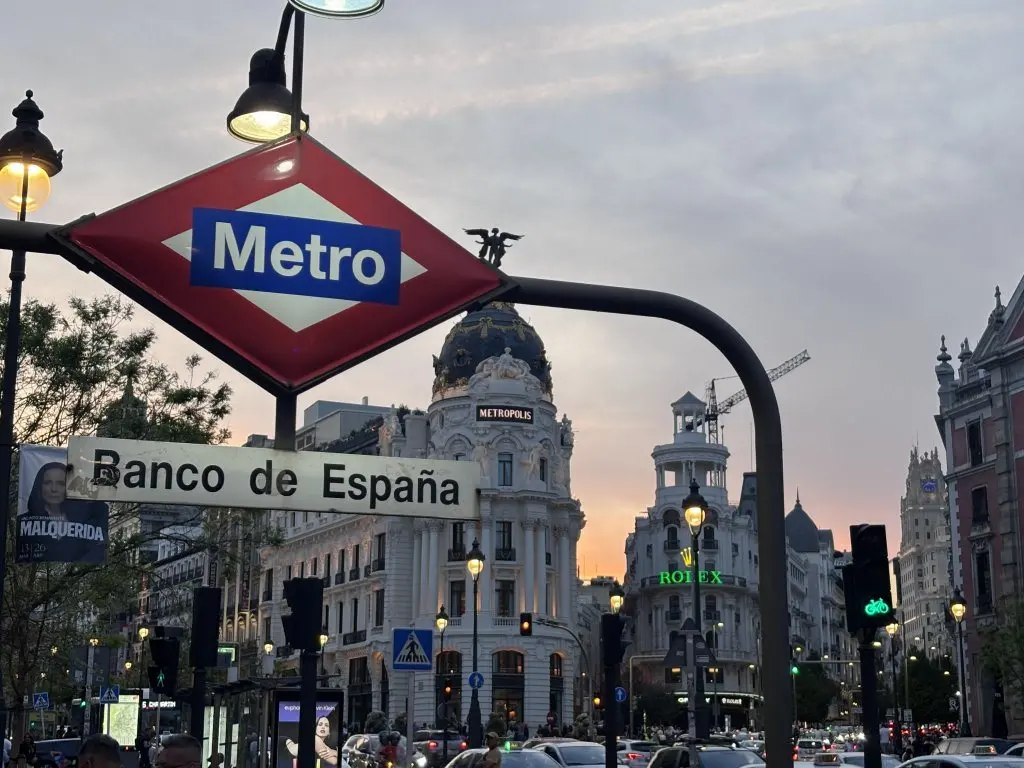
For travellers, the practical takeaway is that Spain remains a busy, in-demand destination where accommodation in tight markets (Madrid, Barcelona, the islands) is likely to stay expensive, and winter utility-driven costs may show up in hotel rates. Book early, especially around the election period, and consider shoulder-season trips in spring, when Spain's renewable-heavy grid helps keep energy costs — and hopefully prices — more contained.