Most people easing into the Camino de Santiago don't expect their first day to be the hardest. But walking from Saint-Jean-Pied-de-Port in France to Roncesvalles in Spain is exactly that: roughly 15 miles and more than 4,500 feet of climbing, straight out of the gate. One writer for The Trek recently documented that brutal opener, and it's a useful reality check for anyone eyeing the classic route.
The trio had flown into Paris, taken a high-speed train to Bayonne, then a small mountain train up into the Pyrenees to Saint-Jean-Pied-de-Port, a perfectly preserved medieval town with cobbled lanes and a river running through it. Before setting off, they did the essential Camino admin: buying trekking poles, registering at the pilgrims office, and collecting the first stamp in their credencial, the pilgrim passport that must be filled with stamps to earn the Compostela certificate at Santiago. With no tent, filter or cooking gear needed, their base weight was just 12 pounds.
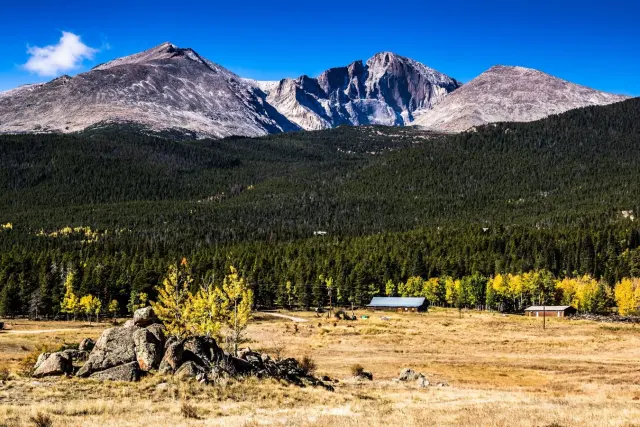
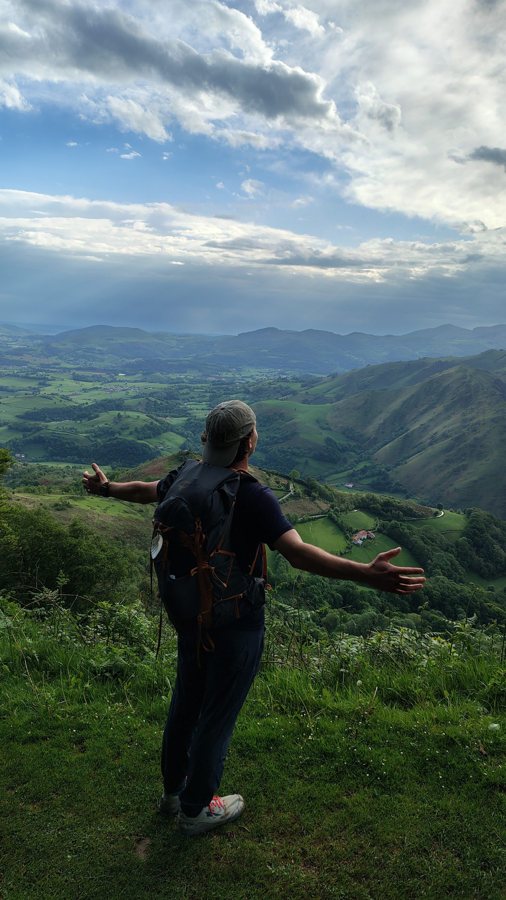
Day one kicked off before sunrise with a relentless ascent. The first stretch to Orrison, a small albergue with a café, hits grades of up to 20 percent. The weather is famously fickle here, it can snow at higher elevations even out of season, and people have died on this section. The writer's group paused at Orrison for cheap coffee and sandwiches, then pushed on another seven miles to the pass. The trail is mostly narrow paved lanes rather than forest singletrack, with open views across the mountains, and a steady stream of fellow pilgrims of every age and fitness level, some visibly struggling.
Near the summit the group walked into fog thick enough to cut visibility to about 10 feet, with a storm building behind them. They crossed into Spain and faced a 2,000-foot descent to the monastery at Roncesvalles, whose bells were audible before the building itself came into view. One hiker, battling resurfacing injuries, reached the end of the day in tears on a bench, a reminder that even a 'gentle' walking holiday can humble you on day one.
The piece also highlights a cultural quirk worth knowing: the Camino attracts plenty of pilgrims who are essentially tourists, inspired by the film 'The Way', and the whole experience is far more comfortable than an American long trail. Albergues offer beds, hot showers and cooked meals, so there's no need to stockpile food the way Appalachian Trail thru-hikers do.
Why does this matter to a traveller? Because the albergue at Orrison books out well in advance, forcing many walkers into this monster day one. The smarter play, which the writer learned too late, is to split the stage: hike to Orrison, taxi back to Saint-Jean for the night, and return by taxi next morning to continue. That turns the toughest opening day on the Camino Frances into two manageable halves without missing the sweeping Pyrenean views.
If you're planning the Camino, this first stage sets the tone: logistics matter, weather can turn fast, and pacing beats pride. Source: The Trek.