Venice just logged its busiest year ever — nearly 5.9 million tourist arrivals in 2024, up 2.5% on 2023 — and anyone who has crossed Rialto at midday in August knows what that feels like. But a wave of new hotel openings in the city's quieter corners is quietly rewriting how to do the city well.
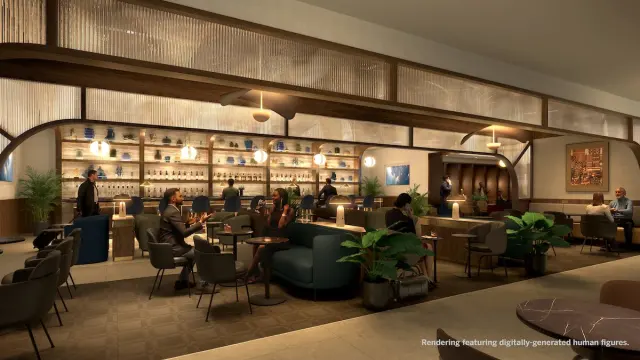
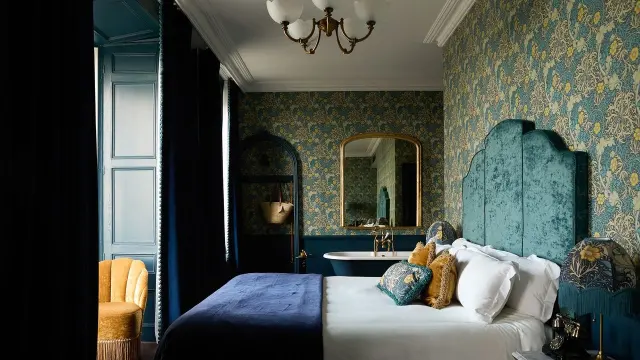
The headline opening is the Orient Express Venezia in Cannaregio, which launched in May after an eight-year restoration of the 15th-century Palazzo Donà Giovannelli. Architect Aline Asmar d'Amman — the woman behind the Hôtel de Crillon's Paris revival — kept the frescoes, pillars and mosaic floors intact, and nods to the brand's rail heritage with a 20-seat art-deco Wagon Bar styled like a train carriage. The real luxury is the location: past the Strada Nova, the crowds thin out fast. Rialto Bridge is still only a 15-minute walk, and the palazzo has its own water entrance on a sleepy canal.
Two more options push you further out. Across the Giudecca Canal, French group Airelles opened its first property outside France, set in a 16th-century palace just a five-minute boat ride from St. Mark's. And on Torcello, about six miles northeast near Burano, the Cipriani family reopened Locanda Cipriani, a historic inn from 1947, after a two-year restoration. Together they unlock corners most daytrippers never see.
There's a debate bubbling underneath. Some locals worry that private islands and palazzi being bought up for hotels squeezes residents out. Fulvio De Bonis, CEO of Imago Artis Travel, argues the opposite case: done right, these hotels spread visitors across the lagoon instead of stacking them at St. Mark's, and they fund the restoration of buildings that were falling apart. Either way, his core advice stands — don't skip Venice, do it differently.
The reward for basing yourself in Cannaregio is evenings the postcard crowds never get. Five minutes from the Orient Express, the canal of Rio della Misericordia is lined with bars and restaurants. The routine: a glass of chenin and a few cicchetti — baguette slices topped with mortadella, artichoke or pâté — at the natural wine bar Vino Vero, perched on the canal edge if it's busy. Then dinner at Anice Stellato, where chef Mattia Cantonetti cooks hyper-local lagoon ingredients like mussels with tomato pasta and fried sardines. When the brick façades glow at sunset, the alleys are nearly empty, laundry overhead, and you can watch the lagoon turn pink from the ferry stop without a selfie stick in sight.
It's also a district with real history — home to Gothic palaces and artisans' workshops, and from 1516 the site of Venice's Jewish ghetto. Today it's the city's most residential, most locally populated sestiere, which is exactly the point. For travellers deterred by Venice's crowds in high season (June through September), these new addresses make an off-the-beaten-lagoon version of the city genuinely doable.