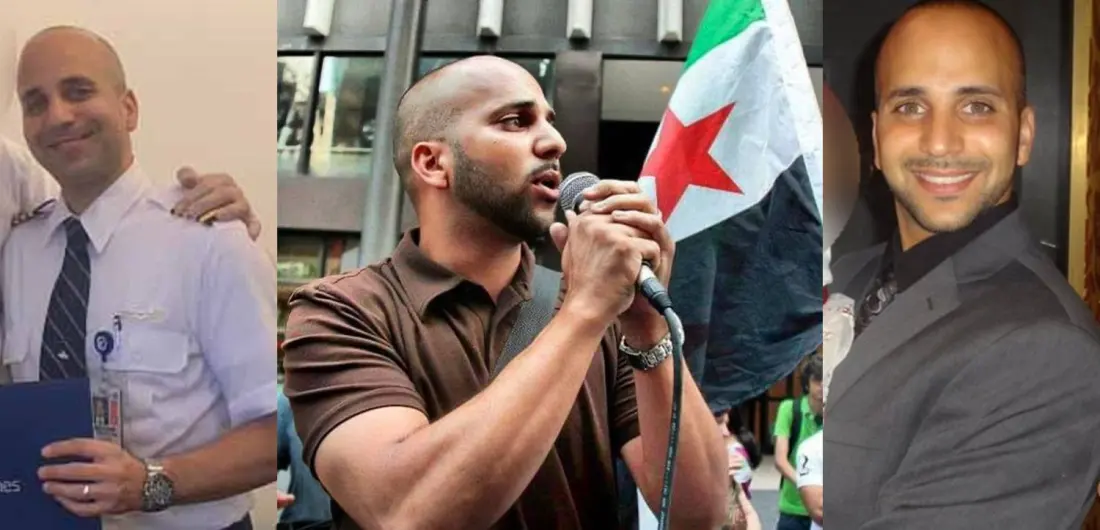
United Airlines has once again withheld one of its captains from flying duties while it reviews his case — three years after he publicly praised the October 7 Hamas attack. The pilot, Captain Ibrahim Mossallam, called the assault "a resistance by a brave people" in a Facebook post as the attacks were unfolding, and argued they were not unprovoked.
The timeline is murky. United removed Mossallam with pay in 2023 while investigating, then quietly returned him to flying without ever explaining what its review found. The airline's latest statement — that it has "withheld this pilot from service pending an ongoing review" — is deliberately vague. It may refer to a new removal, or simply restate the original one. An Israeli journalist reports he was briefly restored after just one day, and that United wanted to fire him but was blocked by the pilots' union. None of that has been confirmed.
The more unsettling detail: according to the same reporter, two United pilots deadheading on a flight Mossallam operated after his return gave up their first class seats to sit in the cockpit and watch him, because they didn't trust him. If true — and United hasn't confirmed it — that says a lot. Deadheading crews use that rest to prepare for their own duty; two colleagues deciding that monitoring this captain mattered more is a striking vote of no confidence from the people who know his job best.
For travellers, the story cuts past social-media outrage to something practical. Cockpits only work when two pilots trust each other enough to communicate openly and challenge each other's mistakes. The author of the original piece is careful not to claim Mossallam poses any actual threat — his words, however repugnant, don't prove intent to harm anyone. But if the pilots sharing the flight deck with him feel the need to supervise him, that distrust itself is a safety problem, whatever the eventual evidence shows.
There's also a wider principle at stake. Free speech protects people from government punishment, not from consequences at a private employer, and certainly not from questions about whether they should hold a position of responsibility over hundreds of passengers. The piece argues the line isn't about political views — a pilot can fiercely support Palestinian statehood or dislike any politician and still be an excellent professional — but celebrating violence against civilians raises fair questions about judgment and about whether someone values the people in his care.
What United owes everyone, the argument goes, is transparency: either explain why he failed its standards, or explain how it addressed the concerns of colleagues who fly with him. "Vague assurances" aren't enough for the flying public. For now, the captain is grounded again, the cockpit-monitoring story remains unconfirmed, and passengers are left to take United's word that the review is serious.