Three developments out of Ecuador this week are worth knowing about if you're heading there soon — one about electricity, one about a court case, and one about weather that brought the capital to a standstill.
First, the power situation. Colombia's Energy Ministry has ended all electricity transfers to Ecuador, citing the need to protect its own grid ahead of the El Niño weather phenomenon. Colombia had been shipping as much as 70 megawatts a day to Ecuador since early September, and had warned a month ago that the tap could be turned off. The government there can legally halt foreign sales during shortages, and while the cross-border connection stays physically intact, there's no firm date for resumption. For travellers, this matters mainly as context: Ecuador has been managing tight electricity supply, and El Niño brings drought risk to hydro-dependent grids, so occasional outages or conservation measures are possible in the months ahead.
Second, a Manta judge has acquitted 32 Ecuadorian fishermen who were crew on two boats, the Conquista 2 and the María Candelaria, destroyed by US military forces in the Pacific in late August. Prosecutors alleged the vessels served as floating refuelling stations for cocaine shipments, but the judge found the evidence insufficient for conviction. The prosecution's claim that further information existed but was classified cut little ice. The verdict underscores how seriously authorities in the region — Ecuadorian and American alike — are treating Pacific drug trafficking, something to keep in mind if your Ecuador trip includes coastal towns like Manta, a working port and popular beach base.
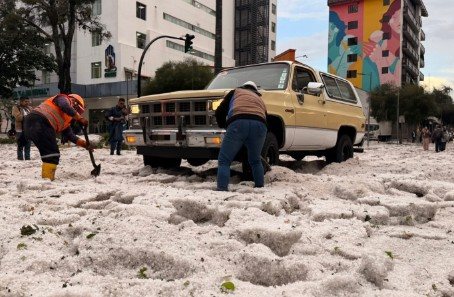
Third, Quito's weather has been extraordinary. For the second time in five days, thunderstorms dumped heavy rain and hail on the capital on a Wednesday afternoon, leaving ice drifts up to 40 centimetres deep. Drains clogged, traffic froze, cars sat stranded for hours waiting for the ice to melt, and more than 30 neighbourhoods were temporarily paralysed, according to the city's Emergency Services office. The National Meteorology Service called the storms extremely unusual for early October and attributed them to moisture flowing out of southern Colombia — explicitly not El Niño.
Why should a traveller care? Because these three stories share a theme: infrastructure and logistics in Ecuador are under strain right now, from the grid to the streets. None of it should stop you going — Manta's beaches, Quito's colonial centre and the Andean highlands remain very much open for business — but it argues for building slack into your plans. Keep devices charged in case of power cuts, pack a rain layer even in the dry season if you're visiting Quito this month, and expect the odd delay as the city cleans up after ice and flooding. Check local news in the days before you travel; conditions have been changing quickly.