Plenty of snowbirds and half-time travellers reach the point where repeated visitor permits feel fragile and hassle-heavy. That's usually the moment legal residency in Mexico starts to look appealing — and the process is more approachable than many assume, provided you know the routes and the paperwork rhythm.
People apply for all sorts of reasons: retiring full-time, owning or buying a property, spending part of each year in Mexico without visa stress, relocating for a lifestyle change, or moving for a formal job. Whatever the motive, the first decision is how you qualify. Most applicants go down the 'economic solvency' route — proving sufficient income or savings to support themselves (note that the financial thresholds have risen recently, which has squeezed some applicants). Others qualify through Family Unit rules, which cover spouses and close relatives of Mexican citizens or of foreigners who already hold legal residency.
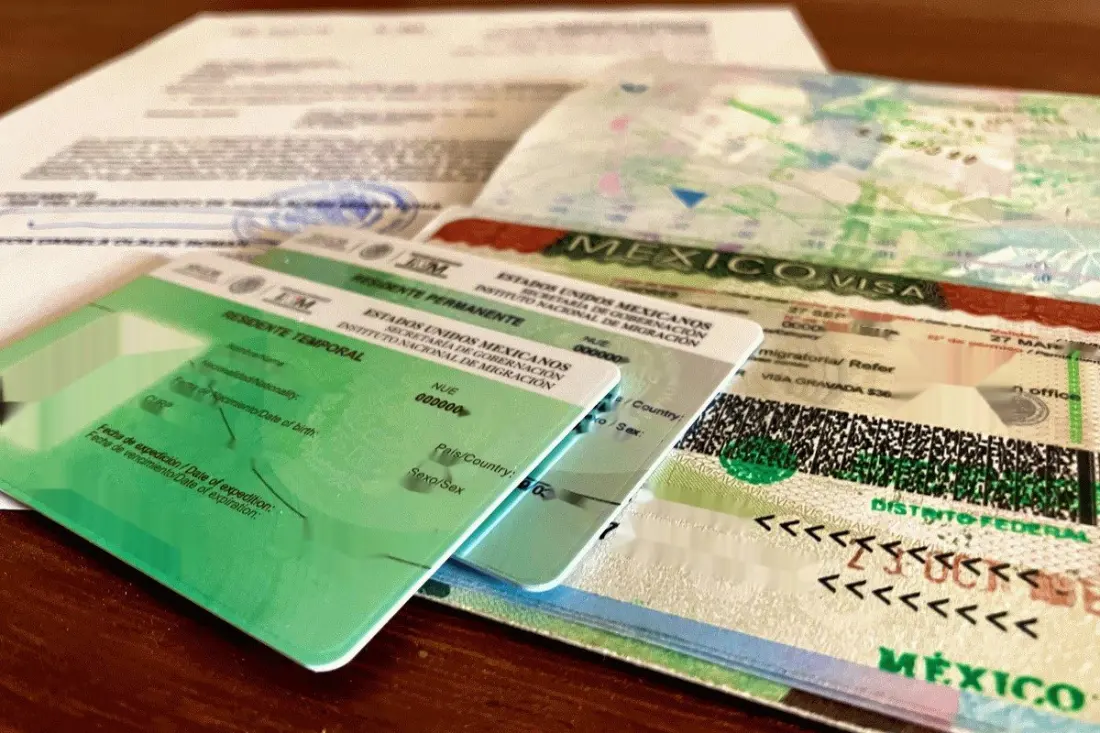
There are two main statuses. Temporary Residency is the usual starting point — the first card is typically issued for one year, renewable afterwards for one, two or three years. After four consecutive years on temporary status you can exchange it for Permanent Residency, whose cards for adults never expire. You can in theory apply for permanent status outright, but the qualifying situations are narrow, so most people work up to it. One common gotcha: temporary residency doesn't include the right to work — that requires a separate application.
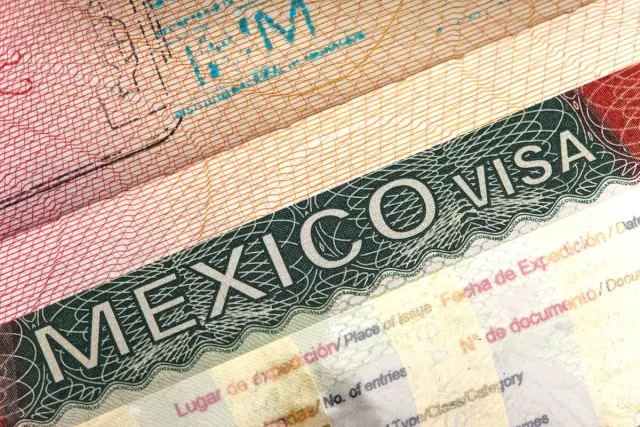
The mechanics matter. Most applications begin at a Mexican consulate abroad, and if approved, a residency visa sticker goes into your passport. You then have roughly six months to travel to Mexico and exchange that sticker for an actual residency card at an immigration office — miss the window and you start again. Family Unit applications and some special cases can be handled inside Mexico instead. There are government fees at each stage, and processing times vary.
Once you hold a card, remember that renewals, exchanges, replacements and official notifications must be done in person in Mexico — no proxies, no mail-ins. Interestingly, there's currently no minimum number of days you must spend in the country each year to keep either status. The card doubles as official ID at home and is often accepted abroad as government-issued identification, and you'll need to show it every time you enter or leave Mexico. Life changes — marriage, address, dependants — need to be flagged to your local INM office, and minors' permanent cards require periodic renewal until they turn 18.
Why should a traveller care? If Mexico is anywhere on your long-stay radar — a winter base in Oaxaca, a condo near Puerto Vallarta, retirement in Mérida — residency changes the experience entirely. It ends the counting-of-days anxiety that comes with visitor permits, smooths property purchases and banking, and lets you treat Mexico as home rather than an extended holiday. It's especially relevant for retirees and remote workers, though the recent increase in financial criteria means it's worth checking the current income and savings thresholds before you commit. For anyone daunted by consulates and forms, immigration assistance services (Mexperience among them) offer hand-holding through the initial application and the visa-to-card exchange.