PreCheck passengers are used to a simple trade: pay the fee, skip the shoes and laptops, stroll through a walk-through metal detector. That deal may be changing. The TSA plans to roll out a redesigned PreCheck screening setup at seven airports within roughly six weeks, swapping the metal detector for a body scanner and adding automated identity gates.
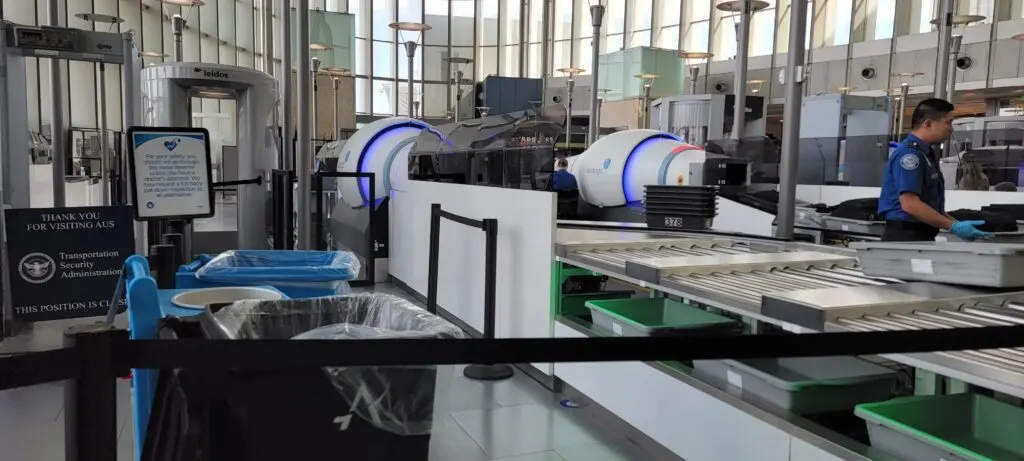
TSA administrator David Cummins laid out the package, which comes in at about $4 million per checkpoint installation. It has three parts. First, a self-service electronic gate verifies your identity using facial matching, cutting out the document checker who currently waves people through. Second, passengers go through an Advanced Imaging Technology body scanner — the machine used at standard lanes — rather than the metal detector PreCheck travellers have largely been spared from. Third, CT bag-scanning software flags only suspicious images for officer review, a system already trialled in Nashville and Las Vegas, instead of a human eyeballing every bag.
The TSA projects double the passenger throughput and a three-year payback through operating savings and enrollment revenue. The agency is also hinting at looser carry-on rules, with full water bottles the most talked-about candidate at checkpoints equipped with the right scanners — though the administrator did not specify what will actually change.
The friction point is failure handling. Automated face-matching works well for most people, but even a fraction-of-a-percent error rate means thousands of travellers a day get stuck when the system cannot confirm who they are. Whether these lanes feel faster or slower will depend heavily on how smoothly staff resolve those cases.
Cummins also wants 20 million more PreCheck members over three years, with checkpoint staffing reduced by attrition rather than layoffs. Critics argue the agency has it backwards: since vetting travellers lets TSA concentrate resources on genuine risk, enrollment should be free, not gated behind an application fee that puts off casual flyers. A family that flies once a year and skips enrollment ends up costing the agency more to screen than a member would.
For travellers, the practical takeaway is simple: if you fly through one of the seven pilot airports in the coming weeks, expect the PreCheck experience to look different — a camera gate instead of a document check, and a body scanner instead of the metal detector. The promised reward is a faster-moving lane, and possibly, one day, keeping your water bottle. Source: View from the Wing.