Colombia's decade-old peace agreement has become a flashpoint again, with the United Nations publicly pressing new President Abelardo de la Espriella to keep the landmark 2016 deal with the former FARC rebels on track.
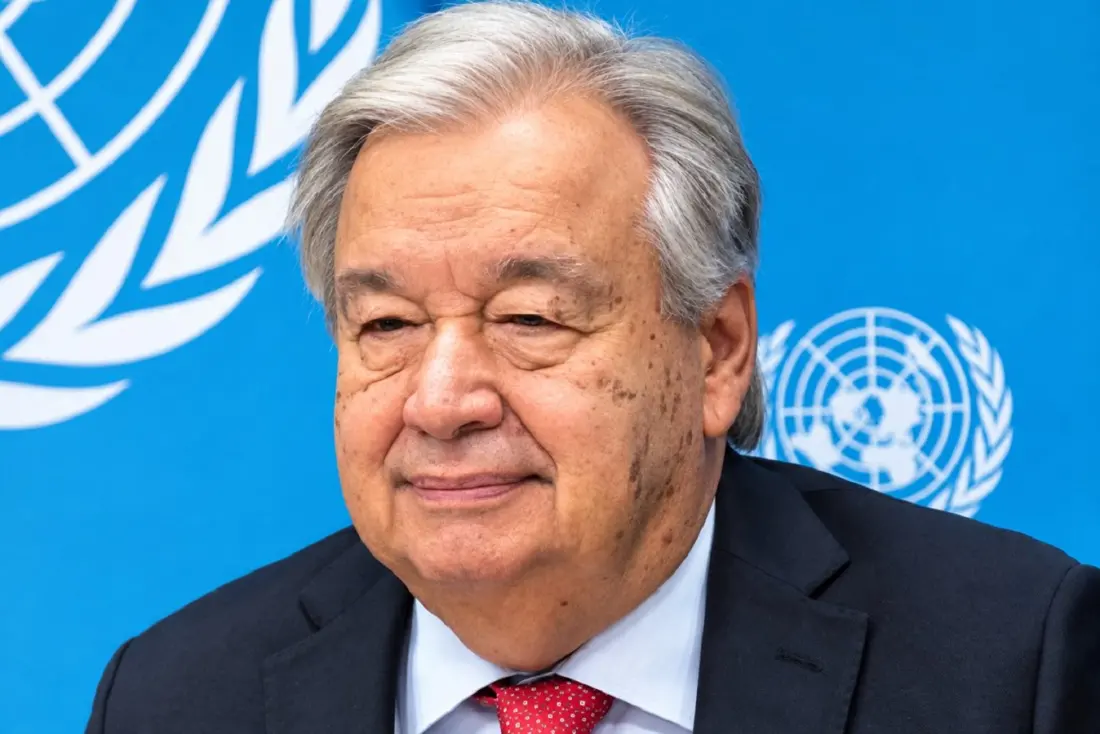
The appeal came in the UN Verification Mission's latest quarterly report, presented ahead of a Security Council meeting where De la Espriella's government is expected to outline its approach. UN Secretary-General António Guterres noted this is the third administration to take on the deal's implementation, and while the new government hasn't yet laid out a full strategy, it has signalled it intends to meet its constitutional obligations.
The sticking points are familiar. Rural reform — the heart of the agreement — is lagging, with slow progress on land distribution, restitution and formalisation. Reintegration of more than 11,000 former fighters into civilian life remains a rare success story, but the UN warns funding for these programmes is under pressure and needs to be stable and sufficient.
Security is the most alarming part of the report. The Mission verified the killings of eight former combatants in the last quarter alone — six in August — bringing the 2026 toll to 13. Across the ten years since the deal was signed, the UN has verified 501 killings of ex-combatants, plus 185 attempted murders and 56 enforced disappearances. Thousands of people have been displaced, and social leaders continue to be targeted in regions where armed groups still clash.
There's added political friction: the government has threatened to defund the Special Jurisdiction for Peace (JEP), the transitional tribunal that underpins the whole agreement. The UN Verification Mission itself wraps up its mandate on October 31, as set out in the deal, leaving questions about what international oversight comes next.
Why should travellers care? Colombia has become one of South America's hottest destinations over the past decade — Bogotá, Medellín, Cartagena and the coffee region have all ridden a wave of improved security and international interest, much of it tied to the peace process. Guterres argues that fully implementing the agreement would help reduce violence and strengthen the state's presence in remote areas, which is exactly what matters for anyone planning trips beyond the main cities. Regions like Caquetá, Guaviare and the PDET municipalities prioritised for development are slowly opening up to tourism, but they're also where armed-group activity and displacement persist. So while the headline destinations remain firmly on the map, anyone venturing off the beaten track should follow the Security Council's review closely — the next few years will shape how safe, and how accessible, rural Colombia becomes.
The anniversary of the agreement's signing arrives in a few months, and the UN's message is blunt: this decade was hard-won, and the coming years will decide whether it holds.