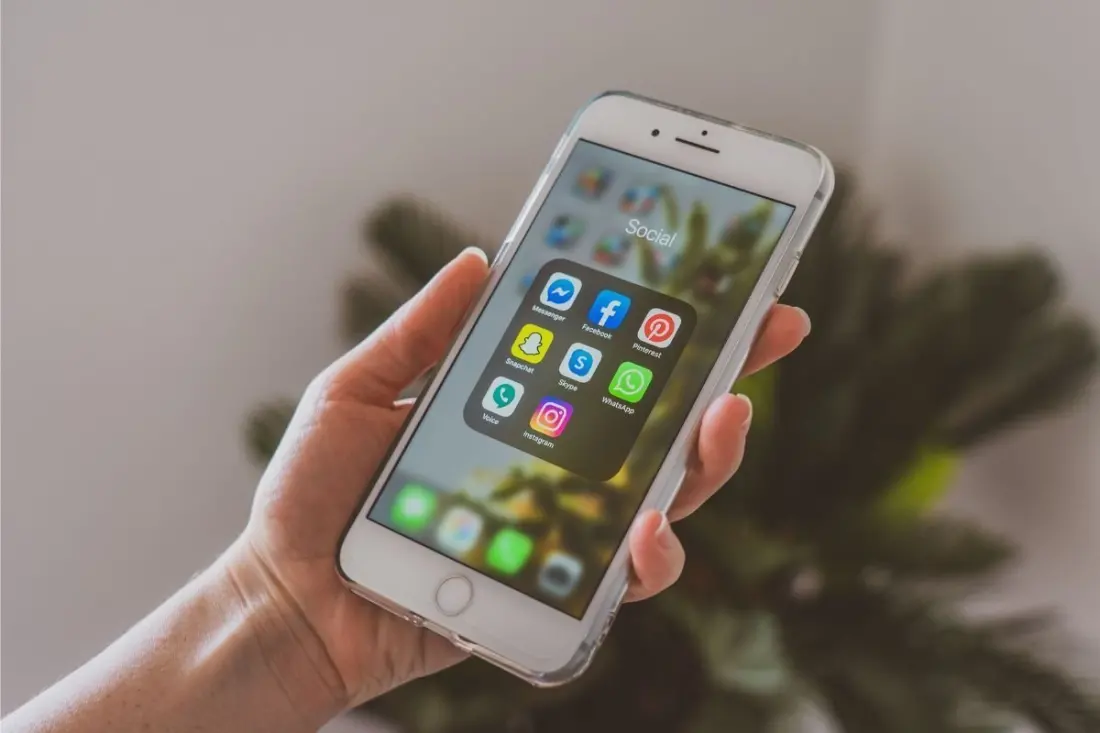
Applying for a US visa now means opening up your online life in a very literal way. From 1 October, a wider group of visa applicants must set every social media profile to public so consular officers can review their posts before making a decision.
The latest change, announced by the US Department of State on 18 September 2026, adds three visa categories to the screening: I, TN and TD. The I visa is the one that matters for South Africans — it covers foreign media representatives, including journalists. The TN and TD categories apply to Canadian and Mexican professionals and their dependents, so they're irrelevant for Mzansi applicants. The State Department put its position plainly: a US visa is a privilege granted at the government's discretion, not an entitlement.
This is the fourth wave of expansion. Applicants for F, M and J visas — students and exchange visitors, including au pairs and work-and-travel participants — have been covered since June 2025. H-1B skilled workers and their H-4 dependents were added in December 2025. Then on 30 March 2026, the net widened to fiancé visas and several other categories: K, R, T, U, Q and H-3.
Tourists aren't exempt from scrutiny entirely, though this particular change doesn't apply to them. Since 2019, nearly all US visa applicants have had to list the social media platforms they've used in the past five years on the DS-160 form. Lying about it carries serious immigration consequences. One reassurance from State Department guidance: consular officers won't ask for your passwords.
The practical advice from immigration experts is to assume your online presence will be checked against your application. Posts that contradict what you've told the embassy, or a LinkedIn job history that doesn't match your forms, can trigger extra questions or delays. Processing times haven't officially changed, but individual cases may take longer, so build in buffer time before any planned travel date.
For South Africans dreaming of studying at an American university, taking a placement through an exchange programme, or filing stories from the US, the message is simple: treat your social media as part of your application, because that's exactly how it will be read.