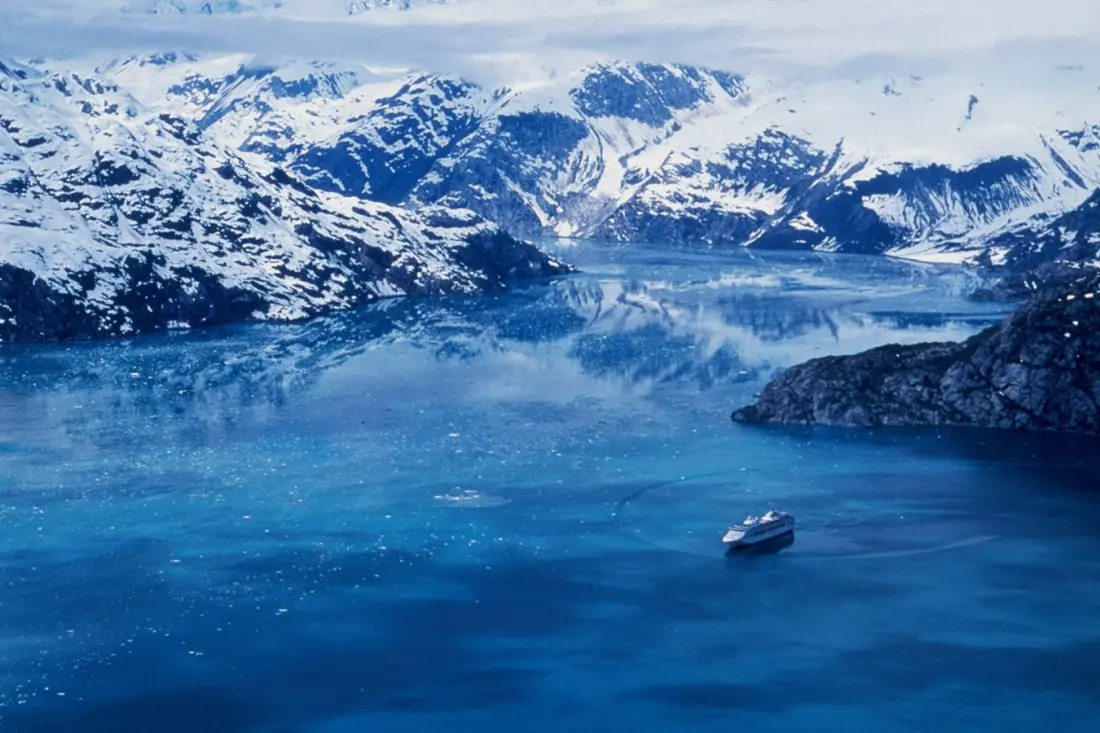
An Alaska cruise is a different animal from a Caribbean jaunt. There are no beach days here — the draw is wilderness, glaciers, gold rush towns and wildlife, across a state that holds half of all US national park land. A veteran cruise journalist with more than 20 Alaska trips under her belt has shared her playbook, and the main lessons boil down to ship choice, timing and preparation.
Ship size shapes your entire itinerary. The mega-ships carrying 4,000-plus passengers stick to the classic ports — Juneau, Skagway, Ketchikan and Icy Strait Point — and come with casinos, shows and water parks. If you want to disappear into remote coves instead, you need a small vessel. Lines like Alaskan Dream Cruises and UnCruise Adventures run week-long itineraries spent entirely in the wilderness, which big ships simply can't replicate.
Timing matters more than you'd think. The bulk of sailings run late May through Labor Day, but shoulder-season cruises in spring and after mid-September come with lower fares and thinner crowds — the trade-off is colder weather and a quieter version of the towns you visit. Either way, book six months to a year out. Cheapest inside cabins and top suites sell out first, and flights into Alaska fill up fast as the season ramps up, so last-minute bargain hunting is a gamble in this market.
A few onboard realities worth planning around: cell service vanishes along remote stretches of the Inside Passage, so buy a Wi-Fi package before boarding (it's cheaper than the onboard rate) and warn people you may go dark. Bundle drinks, Wi-Fi and gratuities into a package — long scenic days at sea mean fewer chances to spend ashore and more chances for your tab to climb. Travel insurance is also worth taking seriously here: you're flying a long way, weather can disrupt flights, and an Alaska sailing costs more to lose than a Caribbean one.
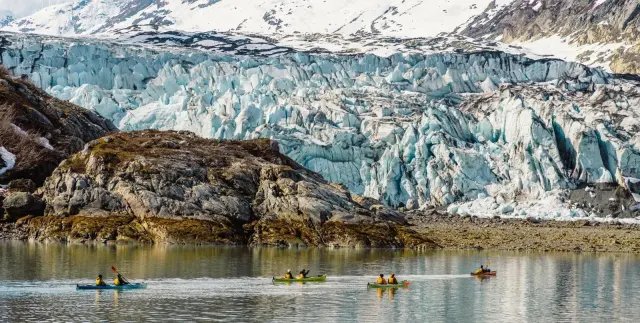
On cabins, a balcony earns its premium in Alaska — there's real magic in watching glaciers calve from your own deck with coffee in hand. If you're prone to seasickness, go mid-ship on a lower deck; the Inside Passage is usually calm but the Gulf of Alaska and the approach to Sitka can get choppy.
Logistics tips that make a difference: arrive at your embarkation city a day or two early — Seattle and Vancouver are both worth a night anyway, and if you're flying to Alaska to board, Anchorage's museum and its Smithsonian collection of 600 Alaska Native objects make a strong case for a pre-cruise stay. Pack layers, three deep (T-shirt, sweater, outer shell), because Alaska weather manages to be both colder and warmer than you expect in the same week. Comfortable walking shoes and rain gear are non-negotiable.
The bottom line: Alaska rewards planning. Pick the right ship size for the experience you want, book early, budget for extras up front, and build in buffer time before embarkation — then let the whales and glaciers do the entertaining.
Story via The Points Guy.