
Australia's Department of Foreign Affairs and Trade has downgraded its travel advice for both Qatar and the United Arab Emirates to 'exercise a high degree of caution' — level two on its four-tier scale. The update, announced on 8 October, reverses the level three warnings ('reconsider your need to travel') that had been in place since June, and lands as welcome news for anyone flying between Australia and Europe, Africa or the UK.
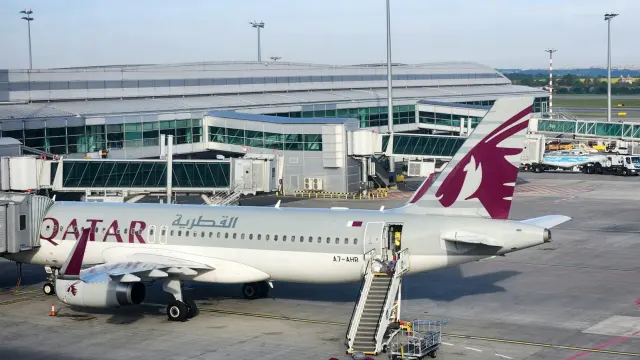
The practical significance is bigger than it might sound. Qatar's Hamad International and the UAE's Dubai and Abu Dhabi airports are the main western gateways for Australian travellers, served by Qatar Airways, Emirates and Etihad — three of the largest carriers on westbound routes out of the country. Lower warning levels should restore confidence not just in transiting through the Gulf, but in doing what many travellers have avoided lately: actually stopping over. Doha and Dubai have built their whole tourism pitches around 24-to-96-hour layovers, and the region's tourism authorities will be hoping Australians return to booking them, along with proper standalone holidays.
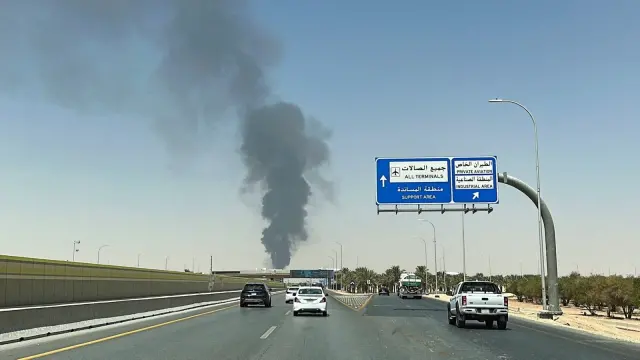
That said, DFAT hasn't given the region a clean bill of health. Its advice still flags terrorism risk and an 'unpredictable security situation', noting that military strikes and reprisal attacks have occurred across parts of the Middle East in recent days. The key caveat for flyers: Gulf airspace could close at short notice if conflict escalates, which would mean cancellations and disruption at all three major hubs. Travel industry voices have echoed the mixed message — FCM Travel's global COO Melissa Elf called the downgrade a sign of confidence for travellers and Gulf carriers, but stressed that plans should stay flexible and travellers should check their policies, with flexible fares and round-the-clock support still essential.
For holidaymakers, the takeaway is straightforward: the Gulf's big stopover cities are back on the menu for Australians, and travel insurance and bookings that were previously on hold now make more sense. But anyone flying through in the coming months should keep an eye on Smartraveller updates and airline advisories, since the region's situation can shift quickly and airspace closures, while unlikely, remain a live possibility.