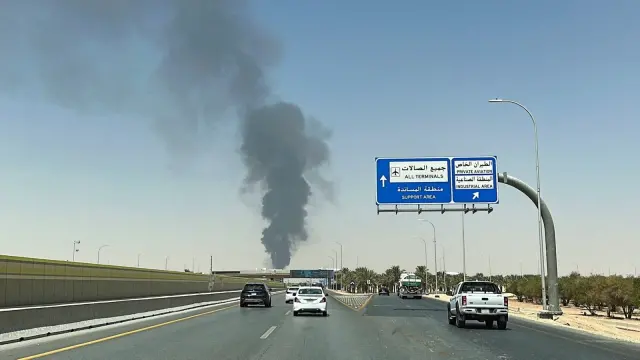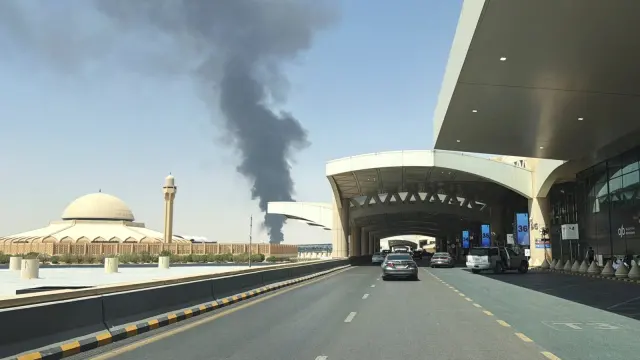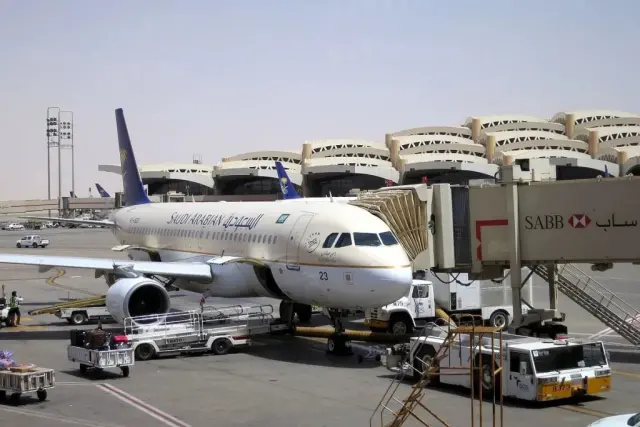
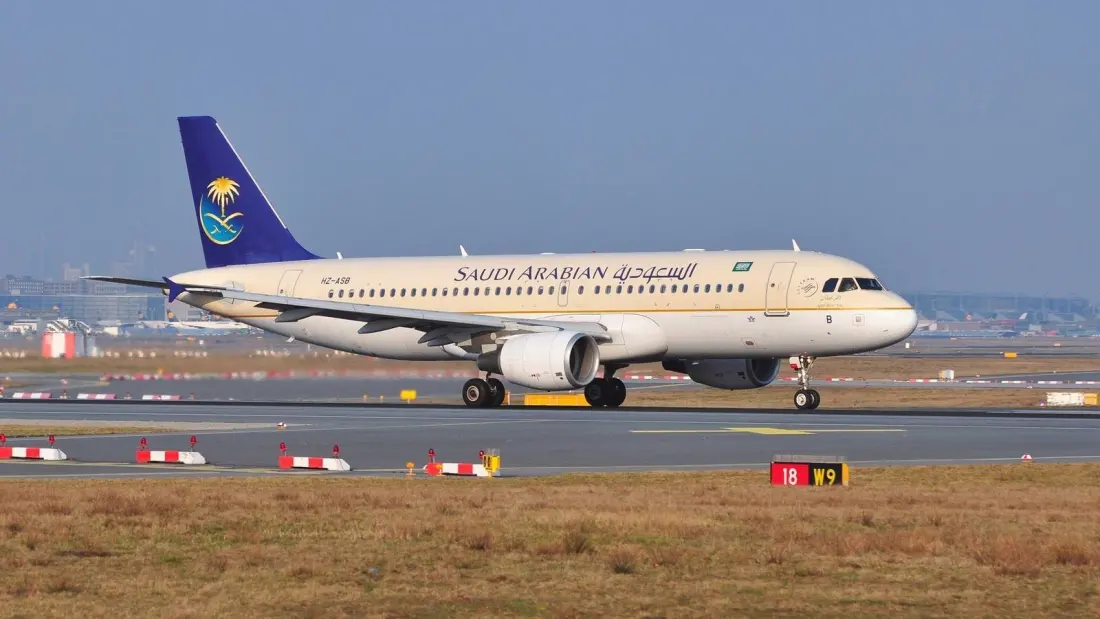
A Houthi ballistic missile attack on Riyadh's King Khalid International Airport (RUH) on Thursday, October 8 set a parked Saudia Airbus A320 on fire and triggered one of the biggest single-day disruptions the airport has seen. Several airlines have now suspended service to the Saudi capital, and travellers with bookings in the coming weeks should assume plans may change.
The numbers tell the story. FlightAware logged more than 466 disrupted flights that day — 280 cancellations and 186 delays, well over a third of the airport's usual schedule. Saudia was hit hardest, with 162 cancellations and 108 delays, roughly three-quarters of its operation. Budget carriers flyadeal and flynas also saw large chunks of their schedules fall apart. An Air India flight from Delhi had to turn back mid-route.
International carriers reacted quickly. Lufthansa Group has halted Riyadh flights through October 16, Air India, Air India Express and Akasa Air through October 10, and IndiGo through October 9. Philippine Airlines cancelled through at least October 10. Longer term, Cathay Pacific has extended its existing suspension to January 31, 2027, and Singapore Airlines has pushed its planned Riyadh return to March 28, 2027. Gulf carriers were, at the time of reporting, still flying.
This was not an isolated incident. A separate missile strike on September 19 hit fuel storage near the same airport, and attacks on Riyadh and Abha airports earlier in the week killed three foreign nationals and injured 36, according to Saudi aviation authorities. The Houthis have threatened further strikes on Saudi aviation infrastructure and warned foreign airlines off much of the kingdom's airspace. The Yemen truce has collapsed, and Saudi-backed operations against the group have escalated in response.
Two high-profile expansion plans are now in an awkward spot. Delta was due to launch its first-ever nonstop US–Riyadh service from Atlanta on October 23 using an A350-900 — and its president had already described advance bookings as "softer than anticipated" back in July. Delta has not postponed, but the calculus just got harder. Riyadh Air, the new carrier that began 787-9 scheduled flying in June and now sells 15 routes, faces a structural problem: every single flight it operates passes through the airport being targeted, and repeated attacks erode the credibility of Riyadh as an emerging connecting hub — a setback for the country's Vision 2030 tourism and aviation ambitions.
If you're booked to fly to, from or via Riyadh in the coming days, check your airline's alerts before heading to the airport and expect rerouting via hubs like Doha, Dubai or Abu Dhabi, where Gulf carriers have continued operating. Anyone with trips planned later in the year should watch whether the suspensions extend. The wider question now isn't whether Riyadh airport can reopen after an attack — it's whether airlines can run reliable schedules there at all.
Story via Simple Flying.