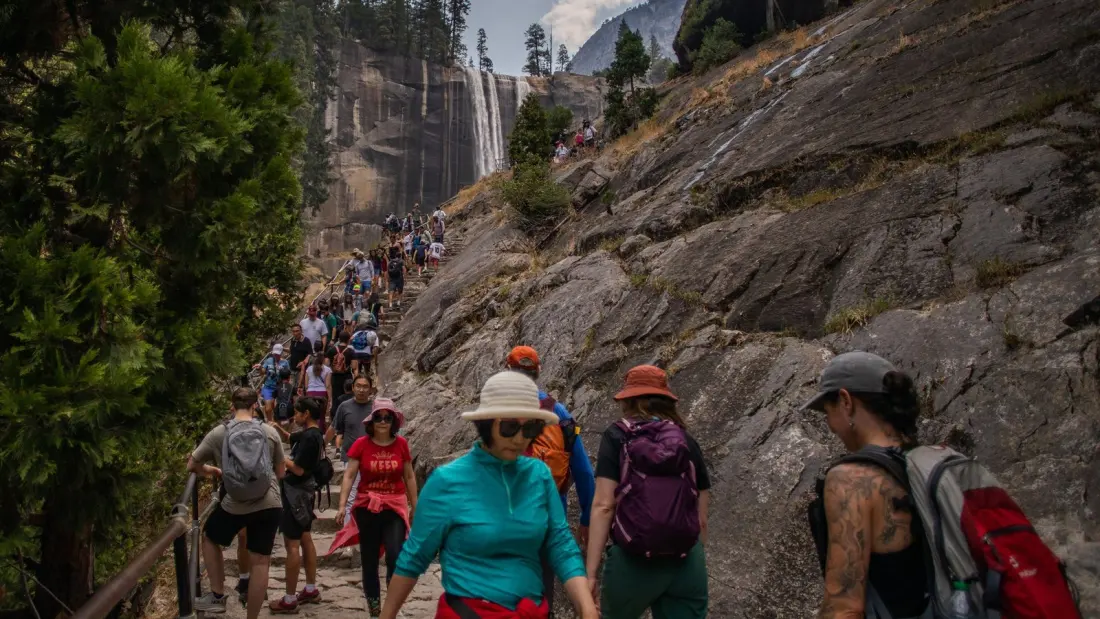
America's most popular national parks have become so crowded that many now require advance reservations just to get in. But a new study published in Nature Communications suggests those permit systems come with a hidden cost: they work better for richer visitors.
Economist Jonathan Hughes of the University of Colorado analysed 11 reservation systems across seven national parks, including Acadia, Glacier and Rocky Mountain, between 2021 and 2024. These covered timed entry schemes and vehicle permits for specific areas, such as the Cadillac Summit Road in Acadia. His finding: people who booked the most competitive permits came from zip codes with median incomes 3 to 5 percent higher than those who chased less-coveted slots. Planning far ahead correlated with wealth too — permits booked six months out skewed towards zip codes earning about 5 percent more than those buying same-day passes.
Why the gap? Hughes points to practical realities. Salaried professionals can often lock in holiday dates months in advance, while shift or hourly workers may not know their schedule until days ahead. High-demand permits also often sell out in a rush at a set release time, disadvantaging anyone who can't sit at a computer the moment they go live. Reliable home internet and desktop booking habits help too, since lower-income households more often rely on phones — slower going on a first-come, first-served site like recreation.gov.
None of this means reservations are pointless. The National Park Service logged over 331 million visits in 2024, a record, and rationing access genuinely improves experiences: quieter trails, less roadside parking chaos, less disturbance to wildlife. The NPS is clearly still experimenting — it dropped timed entry at some big-name parks, including Arches, this year. But Hughes argues the agency's mandate to serve the public means access shouldn't tilt towards those with the most flexibility, bandwidth and tech know-how.
Potential fixes are already on the table. Hughes suggests lotteries for the hottest permits, though he admits they trade fairness for less control over your exact dates. Will Rice, a University of Montana professor studying reservation equity, favours releasing permits in staged waves — months, weeks and days ahead — so last-minute planners get a real shot. He's also worked with Leave No Trace on booking etiquette, like not hogging multiple campsites as buffer zones, and thinks similar norms should apply to timed-entry passes: book what you'll use, cancel what you won't.
For travellers, the takeaway is practical. If you're eyeing a marquee park in peak season, mark the exact release date on recreation.gov, know your dates before permits open, and check whether a lottery or rolling release applies. If you can only travel spontaneously, look for parks without timed entry, or aim for less-competitive windows — early morning entry slots and shoulder-season dates are often easier to snag. And whoever you are, cancel passes you don't use; someone else genuinely wants that slot.