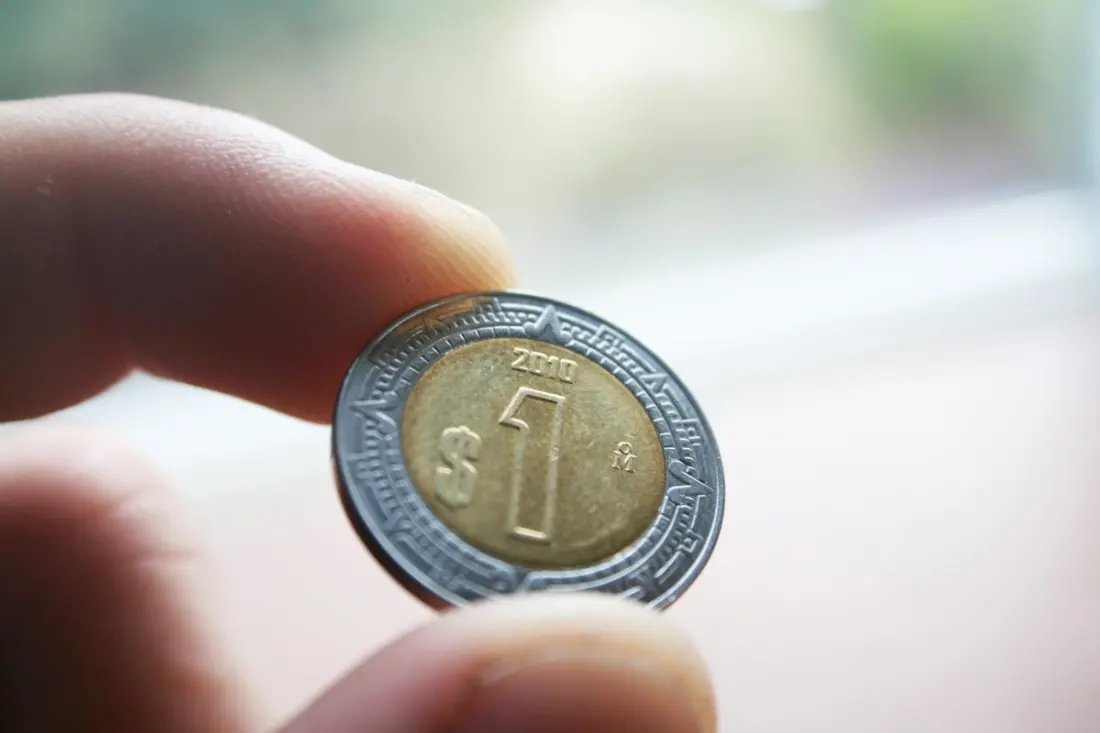
Land in Mexico City or Cancún and the first thing you'll notice at the till is the symbol: $. Yes, pesos use the same sign as US dollars, which trips up plenty of first-time visitors. The currency's official code is MXN, and sometimes you'll see prices written as MX$ or with "MN" tacked on — short for Moneda Nacional, or national currency. If a menu says $100 MN, that's 100 pesos, not dollars.
The peso is Latin America's most-traded currency and sits among the busiest in the world on foreign exchange markets. It floats freely, so its value against the dollar, pound or euro shifts daily — worth checking the rate shortly before your trip rather than relying on a number you read months ago.
Mexico's central bank, Banco de México, handles printing, minting and distributing the physical money, and it refreshes banknote designs roughly every decade to keep ahead of counterfeiters. Notes come in 20, 50, 100, 200, 500 and 1,000 peso denominations, but in practice you'll mostly handle 50s, 100s and 200s. The 1,000-peso bill is genuinely hard to spend — small shops and taxis often can't change it, so ask for smaller notes when you withdraw cash.
Coins run in 50-cent, 1, 2, 5 and 10-peso values, with some 20-peso coins floating around too. One hundred centavos make a peso. The old 20-cent coin has disappeared from everyday use, and 50-cent coins, while still legal, rarely show up in your change. Collectors should keep an eye out for commemorative issues, which tend to get squirrelled away rather than spent.
Why does this matter for travellers? Cash still rules in Mexico. Street food stalls, local buses, markets and many small restaurants are cash-only, and outside resort zones, card acceptance thins out quickly. Knowing what the notes look like — and understanding that the $ symbol means pesos — helps you avoid the classic tourist mistake of glancing at a price and mentally converting it as if it were dollars. That 250-peso taxi fare is around US$13-14, not $250.
A few habits worth adopting: withdraw pesos from bank-affiliated ATMs rather than airport machines, decline the dynamic currency conversion when a card terminal offers to charge you in your home currency (always choose pesos), and keep a stash of small notes for tips, colectivos and corner shops. With a rough sense of the denominations and the MN notation, handling money in Mexico becomes refreshingly straightforward.