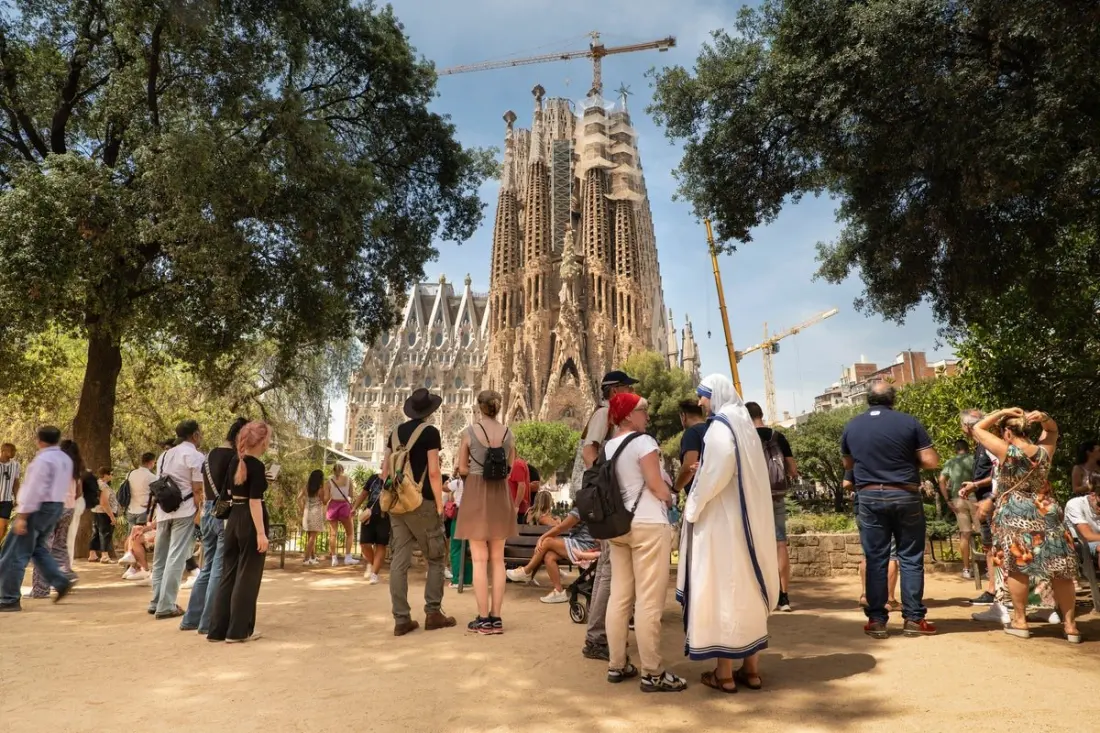
Barcelona's tourist board has rebranded as "This is Barcelona" and launched what it calls a first-of-its-kind platform: an algorithmic recommendation engine that doesn't just inform visitors but actively curates them. Think Netflix's "because you watched" logic, but applied to a city that received around 16 million visitors last year — ten times its resident population.
The context matters. Anti-tourism protests in recent years have seen locals squirt plastic water guns at visitors in the busiest districts, and frustration has clearly registered at city hall. Barcelona already has some of Europe's strictest measures: a hotel construction ban in the centre since 2015, plans to scrap 10,000 short-term rental licences by 2028, cruise terminals cut from seven to five by 2029, and a tourist tax of up to €12 per night (rising to €15 by 2029). The new platform is the soft-power side of that crackdown.
Instead of telling people to "visit", the site tries to shape demand. Recommendations are personalised based on user behaviour, but also on timing and real-time crowd capacity in different neighbourhoods, so flows are nudged away from saturated spots. The ordering is telling: festivals, exhibition openings and tours appear first, lesser-known places rank high, and La Sagrada Família sits a few pages down. The board is openly selective about the audience too — it says the city wants culture-focused travellers who book concerts, museums and independent restaurants, not those chasing low-cost thrills or whatever's trending on their For You page.
CEO Mateu Hernández blames social media virality for flattening Barcelona's identity: millions arrive with the same short-video checklist in mind. His advice is blunt — come for a concert, an exhibition or a good restaurant, then slot Gaudí and the Gothic Quarter around that.
Practically, the platform doubles as a booking hub: tickets for shows and attractions are centralised on the site, with a MyBarcelona app on the way. There are also etiquette nudges woven through the content (keep quiet during castell festivals while human towers are being built), pages on local history and traditions, and standard practical info on transport and accessibility.
Barcelona isn't alone in trying to filter its visitors — Thailand has been chasing "higher value" travellers over backpackers for years — but this is one of the boldest attempts to use an algorithm as a crowd-management tool. For travellers, the takeaway is simple: if you'd rather see the Barcelona locals actually live in, the city is now doing the work for you — you just have to let it.
The Independent Travel