Ecuador is staring down one of the toughest El Niño events in Latin America, and the World Bank says it could take a bigger economic punch than almost anywhere else in the region. Its latest Economic Outlook for Latin America and the Caribbean puts Ecuador at the top of the risk list, ahead of Paraguay and Argentina, thanks to a simple quirk of geography: the warming El Niño system forms right off the country's equatorial coastline.
The forecast is a double blow. Coastal and Amazon regions face extreme flooding — already under way and expected to run through January and February 2027 — while the Andean highlands swing the other way, into drought. That split matters for travellers because it touches the country's main hubs and corridors: Guayaquil and the coast on the flood side, Quito and Cuenca in the highlands dealing with the water-and-power squeeze.
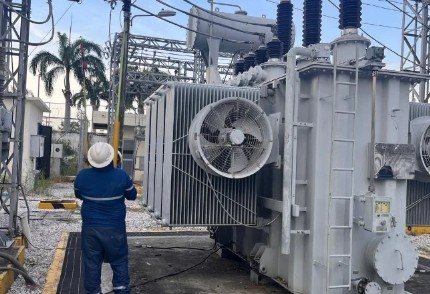
Power is the headline problem. Ecuador still generates roughly 75% of its electricity from hydroelectric dams, and demand has climbed by nearly a quarter since the 2024 drought, when blackouts stretched to 14 hours a day for three months. The World Bank criticised the government for not adding permanent generation capacity since then. As of late September, the country's 180 largest businesses face grid disconnections of up to three days a week, and more than 8,000 medium-sized companies are also subject to cuts. Industry and mining output is already being hit.
Agriculture is the other casualty. Rice, sugarcane, pineapple and cocoa — crops that anchor coastal provinces — are vulnerable to flooding, with losses already being reported. Shrimp farming and the wider seafood sector, both major exporters, are exposed to the same weather swings.
For anyone planning a trip to Ecuador, this is worth factoring in rather than panicking over. Hotels and restaurants in tourist areas typically run on generators or absorb short cuts, but itineraries built around coastal travel in late 2026 and early 2027 could run into road closures, disrupted services and heavy rain. The Galápagos, Amazon lodges and highland towns may each be affected differently, so it pays to check conditions close to booking and travel dates. Travellers with flexibility might consider the shoulder months outside the peak flood window, and anyone relying on powered medical equipment or working remotely should ask accommodation about backup power before committing. Expect occasional cash-only situations when card systems go down, and build buffer time into any domestic flight or long bus connection.
The bigger picture: El Niño episodes are periodic, not permanent, and Ecuador remains one of South America's most rewarding countries — colonial centres, cloud forest, Pacific beaches and the Galápagos within one compact trip. But until new generation capacity comes online and this event passes, the smart move is to plan with backups and keep an eye on local news.
Reporting via CuencaHighLife.