A single roll of coloured plastic ribbon has sparked one of the angrier debates Canada's canoe community has seen in a while. It started when Hap Wilson — veteran paddler, author and long-time defender of Ontario's Temagami wilderness — called out a paddler online for decking out a remote portage with dozens of strips of flagging tape. His message was blunt: learn to read the tree blazes and rock cairns that have marked these routes for centuries, or paddle somewhere else.
The post exploded. It drew close to half a million views and a thousand comments within days, until Wilson pulled it down as the insults piled up. Most who weighed in agreed with him — flagging tape dumped in thick garlands along a wilderness portage is clutter in a place that's supposed to stay wild. But a vocal minority pushed back with a fair counterpoint: newcomers are arriving in the backcountry in growing numbers, and if we want them to become allies in protecting what wilderness remains, mocking their navigational habits is a poor way to recruit them.
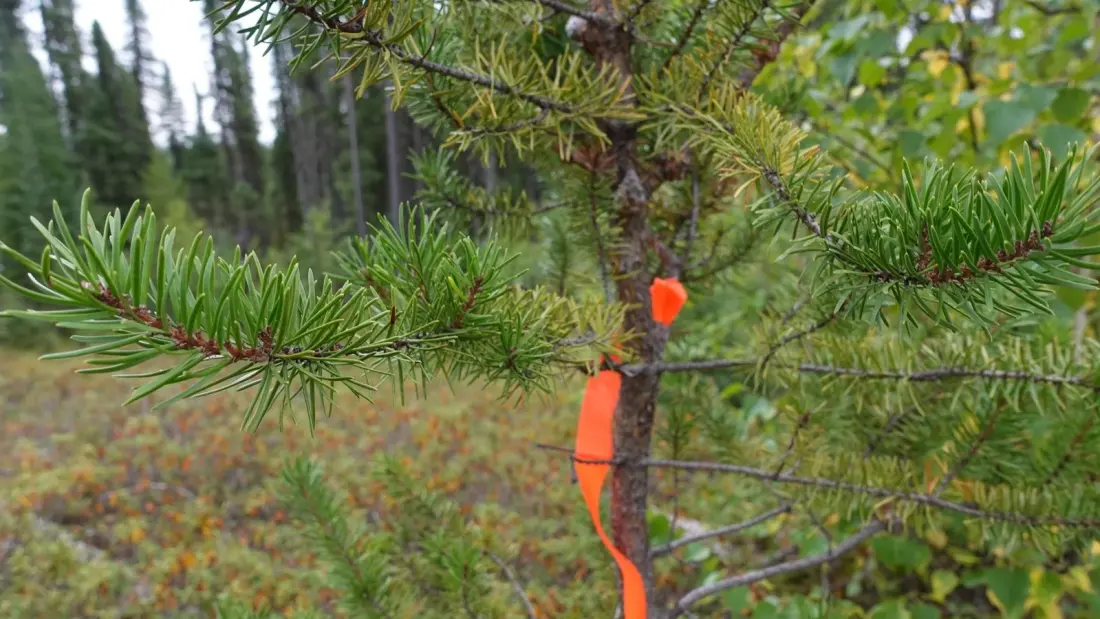
Columnist Kevin Callan (the "Happy Camper" himself) found the argument hitting closer to home. He recalled a brutal trip through Opasquia Provincial Park in northern Ontario, near James Bay, where the expected portages simply didn't exist. His team spent six days cutting and clearing a route through swamp, spruce and Labrador tea, covering just four kilometres. They marked their path with bright pink tape every 50 to 100 metres — a legitimate survival tactic in trackless bush. Afterwards, Callan wanted to go back and remove it, arguing it was unethical to leave plastic behind in a remote area, particularly one on the ancestral lands of First Nations who already know the terrain. His paddling partner Andy Baxter disagreed: why not leave the navigational work to help the next party? They left the tape in place and agreed to disagree.
The story took a sour turn when a commenter accused Callan of drawing "the ignorant to sacred places" — and he lost his temper in a reply that was, by his own admission, out of character. He's since decided not to delete it. His takeaway is worth heeding: everyone fumbled a skill or two on their first trips, and the better response to bad backcountry etiquette is mentorship, not public shaming.
Why should this matter to travellers? Temagami remains one of Ontario's great paddling regions — old-growth pine, deep lakes and a network of historic routes — and its character depends on the people who use it. If you're new to canoe tripping, the etiquette is fairly simple: use flagging tape sparingly, remove what you put up, learn to read blazes and cairns, and remember some routes cross Indigenous lands where your "markings" may be unwelcome. And if you're experienced, take a beginner along rather than lecturing them from a keyboard.
Explore Magazine Canada