
A spell of weekend rain has thrown Ecuador's strained electricity system a short-term lifeline, though anyone travelling in the country should keep expecting power cuts for now.
The downpours lifted output at the Coca Codo Sinclair hydroelectric plant west of Quito by nearly 400 megawatts between Friday and Sunday, as the flow of the Rio Coca jumped from 169 to 220 cubic metres per second. That extra capacity let authorities switch off all three plants at the Mazar hydroelectric complex in Azuay Province for a day — welcome news in a country where reservoirs have been shrinking fast.
Mazar's reservoir tells the story of the broader crisis. Before the rain, the water level had fallen 21.5 metres since late August. The weekend added just over a metre, taking it from 2,130.46 to 2,131.69 metres above sea level by Sunday afternoon. The National Electrical Corporation said two of Mazar's three plants would restart on Monday.
Energy Minister Juan Carlos Blum called the rain greatly needed relief and said he hoped more would follow, but he was quick to temper expectations: the country still faces what he described as a very large energy deficit. No changes are planned to restrictions on the biggest electricity consumers, including a 48-hour continuous grid disconnection this week affecting more than 9,000 companies.
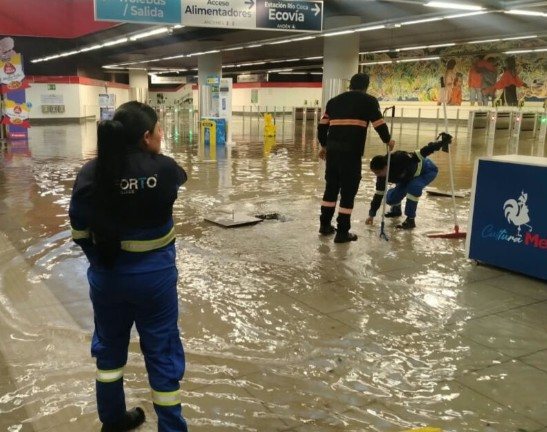
There's a catch for the wider picture, too. The same weather system that saved the hydro plants caused flooding on the coast, especially in Esmeraldas and Guayas provinces, and produced severe flooding in Quito. Cuenca got off lightly with light to moderate rain on Saturday.
For travellers, this matters in practical ways. Ecuador depends heavily on hydroelectricity, and when reservoirs run low the result is scheduled blackouts that can hit hotels, restaurants, ATMs and public transport. If you're planning a trip, expect possible outages, carry a charged power bank, keep cash on hand in case card machines go down, and check with accommodation about their backup power. The rain is a genuine positive sign for the grid — but until reservoirs recover properly, disruptions remain likely, and the coastal flooding is a reminder to watch local weather alerts if you're heading to Guayaquil or the northern coast.