A terrifying few seconds over Saudi Arabia have put aviation security back in the spotlight, and drawn comparisons with one of Latin America's longest and strangest hijackings.
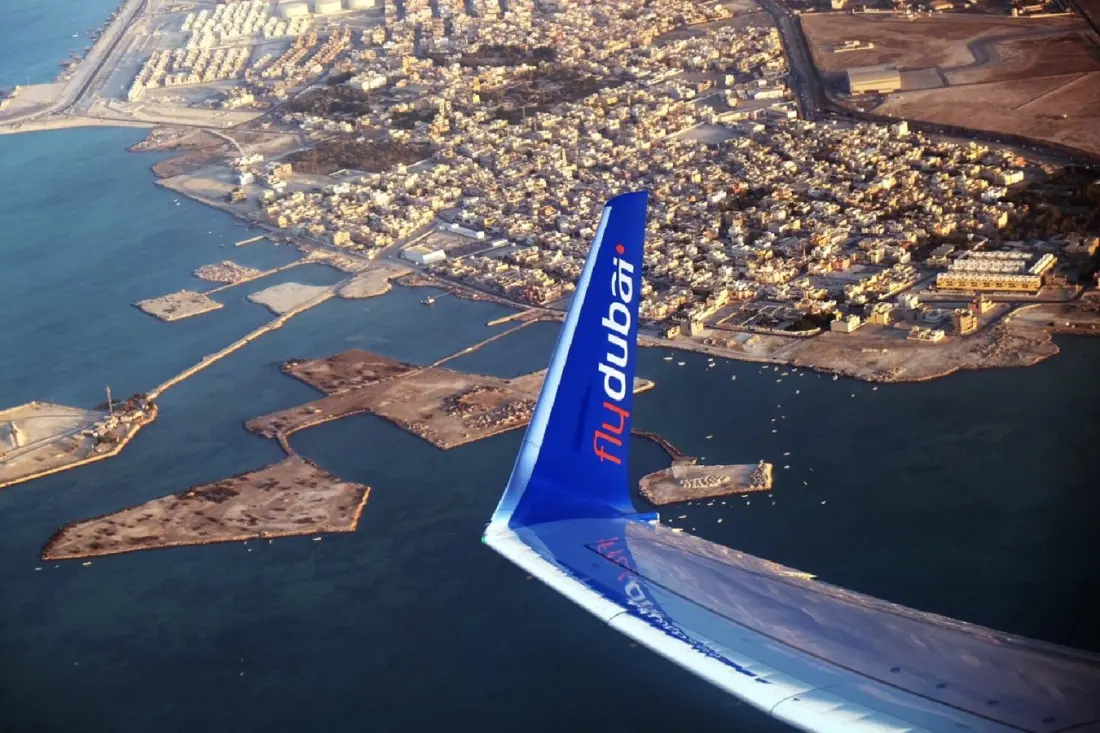
On 30 September, Flydubai Flight FZ1073 was flying from Dubai to Tel Aviv when, according to Israeli officials cited by Reuters, the co-pilot stabbed the captain and apparently tried to take control of the Boeing 737. The aircraft, carrying more than 170 passengers and crew, dropped thousands of feet in seconds over Saudi Arabia. Passengers and crew broke into the cockpit and overpowered the attacker, helped by two off-duty Flydubai pilots travelling as passengers. The plane diverted safely to Tabuk, and everyone continued to Israel on a replacement aircraft. Investigators are still working out exactly what happened, and both Flydubai and Al Jazeera have urged caution before calling it a confirmed hijacking attempt.
The case is unusual because the threat allegedly came from inside the cockpit itself — a hole in post-9/11 security thinking, which focuses on keeping outsiders out through reinforced doors and strict procedures.
Colombia's counterpoint is very different in style but similar in substance. On 30 May 1973, two armed men claiming to be from the ELN guerrilla group seized SAM Flight 601 shortly after it left Pereira. The Lockheed L-188 Electra had 84 people aboard on a domestic route linking Cali, Pereira and Medellin. The hijackers demanded money and the release of political prisoners, then forced the plane to Aruba, beginning a chaotic multi-country ordeal that lasted more than 60 hours — one of the longest hijackings in Latin American history. The story reached a new audience recently through Netflix's 'The Hijacking of Flight 601'.
Colombia wasn't done there. In December 1980, guerrillas took an Avianca Boeing 727 on a domestic flight, hopping between countries before the journey ended in Havana, where hostages were freed and the hijackers arrested. The Washington Post reported more than 100 people on board at the time.
The contrast between eras is striking. In 1973, armed passengers could walk into a cockpit and take over a plane. In 2026, the nightmare scenario is a crew member turning on the flight deck. What hasn't changed: when control of an aircraft is threatened, everyone on board becomes part of the emergency response. On the Flydubai flight, that response — passengers, cabin crew and two off-duty pilots — likely prevented a disaster.
For travellers, the takeaway is less about fear than awareness: cabin crews train constantly for exactly these scenarios, and modern procedures exist because history, from Medellin to Tabuk, has repeatedly tested them.