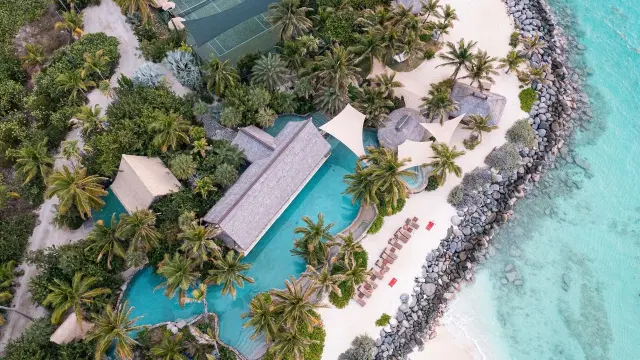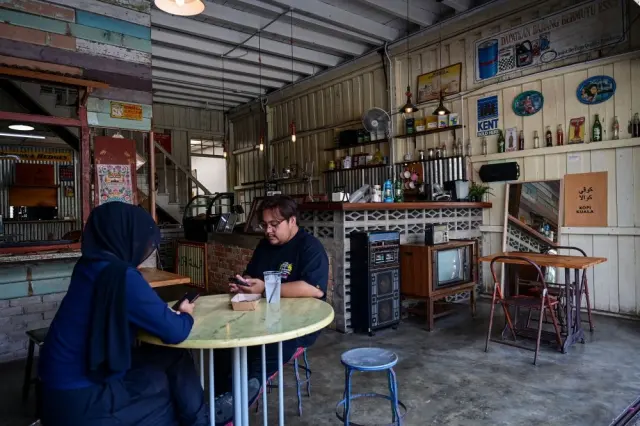
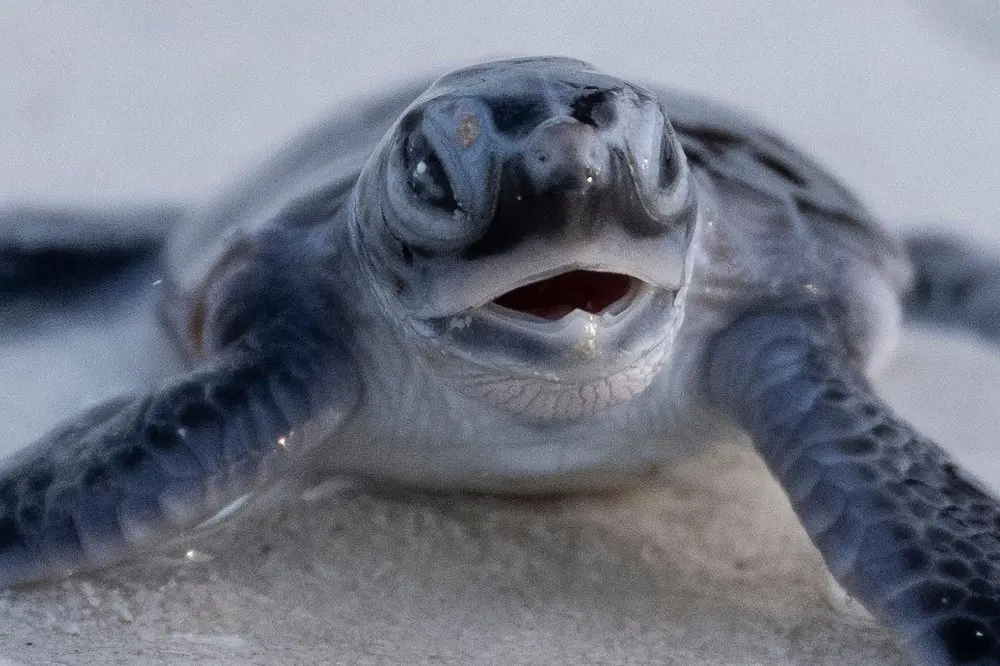
On a beach on Mataking island, off Sabah in Malaysian Borneo, a palm-sized green turtle hatchling flips its way towards the sea. Against the odds, that species is now one of the rare good-news stories in global wildlife: last year the IUCN moved green turtles from endangered to 'least concern'. It is a striking counterpoint to WWF's latest Living Planet Report, which found monitored wildlife populations have shrunk by an average of 73 per cent over 53 years.
Malaysia has played a outsized role. At Sabah's Turtle Islands, protected since 1977, green turtle nesting has tripled since the 1970s to more than 20,000 nests a year. The state banned turtle meat and egg consumption in 1997, and decades of egg relocation, marine protection and trade bans have done the rest. 'This is our heritage, this is our biodiversity,' Sabah Parks director Maklarin Lakim told AFP.
The recovery also runs through local communities. On Omadal island, a 20-strong women's cooperative led by Sitti Rasah Abdul has been moving eggs from beaches to hatcheries since 2012, now funding the work itself by ploughing 10 per cent of revenue from its handicraft and catering business into turtle protection. Nearby, Mataking Reef Resort collects roughly 36,000 eggs a year, up from about 600 in 2006, and dedicates around a tenth of its staff to conservation. Guests can join hatchling releases — conservation here is genuinely part of the visitor experience.
The work is far from over. Every other sea turtle species remains vulnerable or worse, hatchlings face survival odds of about one in 1,000 to adulthood, and warming sands are skewing populations female. Researchers like Universiti Malaysia Sabah professor Juanita Joseph — who helped prove some turtles foraging in Malaysia actually come from Micronesia — are using genetics to fill the gaps, alongside WWF's Shellbank, the world's first global turtle DNA database. Her reaction to the downlisting says it all: she cried.
For travellers, this is a chance to see conservation working in real time. Turtle Islands Park in Sabah offers permitted nesting-watching and release experiences, and dive resorts on islands like Mataking, Pom Pom and Sipadan's neighbours let you support hatcheries simply by staying. Go between roughly July and October for peak nesting season. Just book operators with genuine hatchery programmes — as Mataking's owner notes, the business quite literally depends on the reef staying healthy.