Luang Prabang has no shortage of charms — gilded temples, dawn alms ceremonies, the turquoise pools of Kuang Si Falls — but reaching it by road has always been slow going. That looks set to change. Laos and Thailand have completed the environmental assessment and detailed design for a new bridge across the Mekong at Luang Prabang, with construction due to start in 2027 and a target opening in 2031.
The two countries moved the project forward at the 23rd Lao-Thai Cooperation Committee meeting on 2 October, where deputy prime ministers Thongsavanh Phomvihane (Laos) and Sihasak Phuangketkeow (Thailand) exchanged project documents. Financing had been the sticking point; Thailand approved THB 1.78 billion (about USD 55.4 million) in assistance in September, and a concessional loan agreement is now being finalised.
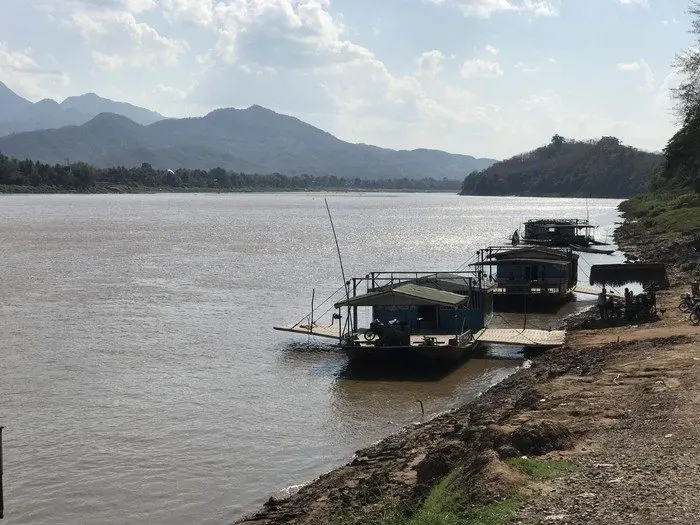
The bridge itself will run 820 metres long and 21.6 metres wide, linking Chomphet District on the west bank with Luang Prabang town. Its central span sits 15 metres above the river so boats can pass underneath, and a 14-kilometre connecting road will tie both ends into the surrounding network. Construction should take four years, followed by seven years of operation and maintenance under a performance-based contract.
Why does this matter to travellers? Chomphet is the only district in Luang Prabang Province on the far side of the Mekong, and it connects through Xayabouly towards Thailand's Nan Province. Today, driving from Nan to Luang Prabang takes roughly nine hours — the bridge should shave 30 to 45 minutes off that, and the wider aim is a smoother overland corridor between northern Thailand and central Laos.
It also fits into a bigger picture of cross-border infrastructure: Laos and Thailand are working on linking the Laos-China railway to Thailand's rail network and expanding the friendship bridges. For anyone plotting a Bangkok-to-Luang-Prabang overland route — or combining Nan's quiet, forested roads with Laos's most celebrated old town — the journey is gradually getting less punishing.
Until 2031, though, most visitors will still arrive the easy way: a short flight from Bangkok or Vientiane, or the slow boat from the Thai border at Huay Xai. The existing railway between Vientiane and Luang Prabang (part of the Laos-China line) has already made the capital-to-Luang-Prabang hop comfortable and quick. The new bridge is a bonus for road-trippers and cyclists rather than a game-changer for the average short-break visitor — at least for now.
If you've been putting off a northern Laos loop because of the driving distances, keep an eye on this one. The end of the decade could open up a genuinely scenic Thailand–Laos driving route that barely exists as a practical option today.