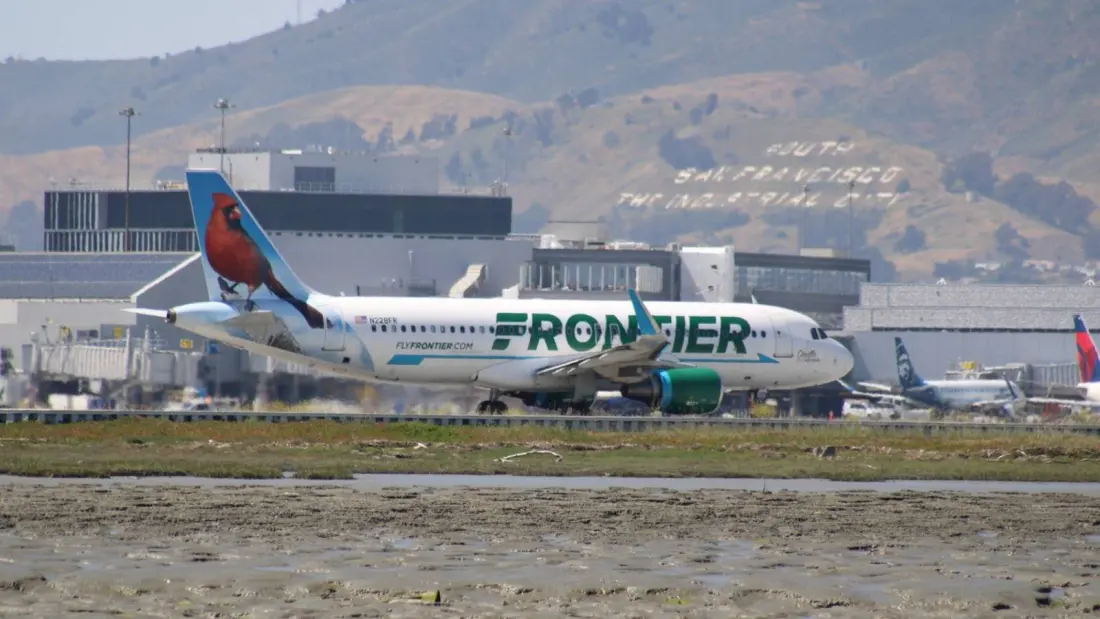
A Frontier Airlines flight out of Atlanta made headlines last week after passengers were ordered off the aircraft — and early reports got the reason wrong. Flight 1447, scheduled from Hartsfield-Jackson Atlanta International to San Francisco, was cleared when a passenger became disruptive and initially refused to leave. Traveller video showed law enforcement officers walking the aisle as people gathered their bags and exited.
The story that first circulated was dramatic: a man with a fake boarding pass who wouldn't get off. That came from passenger Kathryn Johnson's account, which several aviation outlets repeated. But Frontier has since set the record straight. According to the airline, there was no fake boarding pass at all. The passenger was a legitimate ticketholder who had sat in the wrong seat, got into a heated exchange with crew, and was asked to deplane. When he refused, police were called. After speaking with officers, he agreed to leave, and the flight eventually departed for San Francisco.
That distinction matters, because genuine unauthorized-passenger cases have led to far worse outcomes recently. In December 2024, Delta found an unticketed person on a Seattle–Honolulu flight just before departure; the plane returned to the gate and everyone was rescreened by the TSA, which said the individual had cleared security but slipped past identity and boarding checks. Even more striking, a woman managed to board a Delta flight from New York JFK to Paris Charles de Gaulle without a valid ticket or visa — using an employee lane to get airside — and wasn't discovered until the aircraft was approaching Paris. And in a more recent case in Houston, a 25-year-old man allegedly used a fake boarding pass to get on a United flight to Los Angeles; the aircraft had to return to the gate so staff could search it when he wasn't on the manifest.
The Atlanta incident, then, was a seat dispute that escalated, not a security breach. But the practical takeaway for travellers is the same across all these cases: when one passenger becomes a problem, everyone pays. Whole-cabin clearances mean deplaning, reboarding, rescreening and delays measured in hours, not minutes. If you're ever on a flight where crew or police ask passengers to leave, cooperating quickly is the fastest route to getting airborne. It's also a reminder that seat assignments matter on low-cost carriers like Frontier — sitting in someone else's paid seat is the kind of small confusion that can spiral, especially when crew instructions are challenged.