
Moving to Mexico becomes far simpler if your partner already has ties there. Under the country's Family Unit rules, spouses and common-law partners of Mexican citizens — or of foreigners who already hold legal residency — can apply for residency through a fast-tracked route that most other applicants can't use.
Mexico's immigration law goes further than many people expect. It recognises common-law partnerships ("concubinos") alongside formally married couples, and it applies equally to same-sex relationships, whether married or not. The catch for unmarried couples is paperwork: you'll need to ask the consulate or immigration office in advance exactly what evidence they want proving the partnership, since requirements vary and can be tricky to gather.
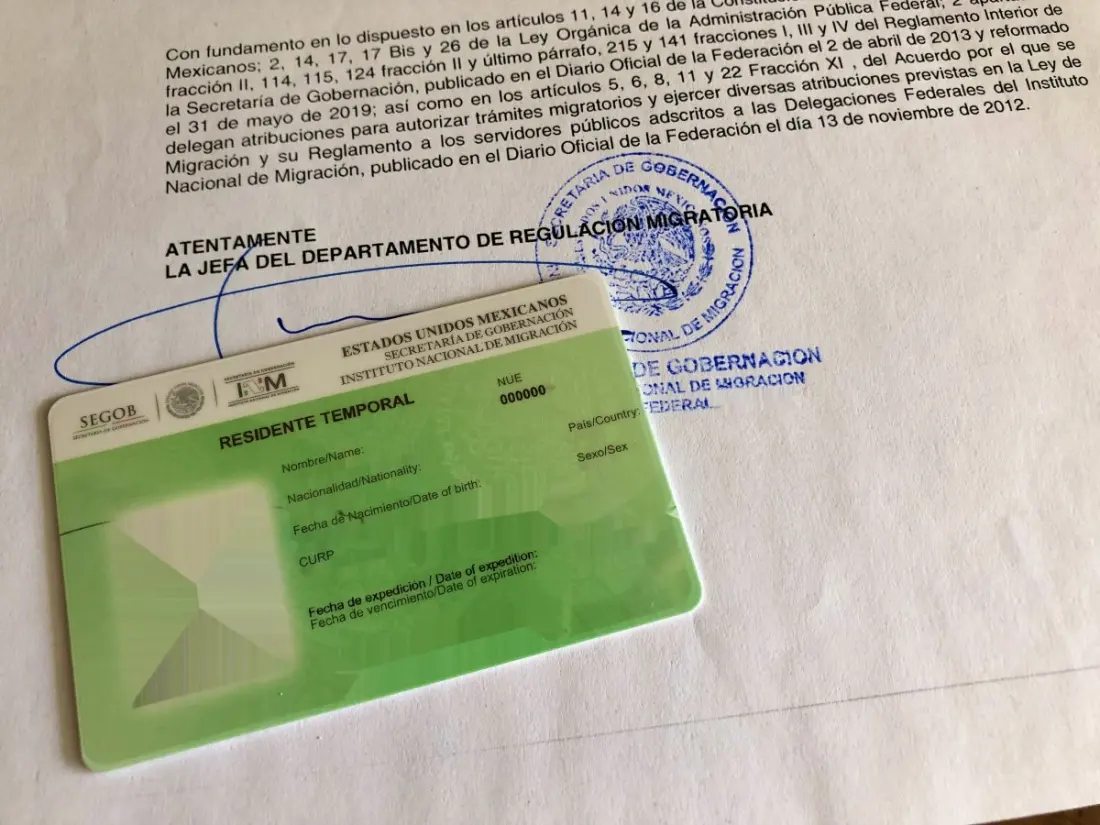
There are two ways to apply. Starting at a Mexican consulate abroad gets you a residency visa sticker in your passport, which you exchange for a residency card once you arrive. Via this route, temporary residency lasts one year, renews for three more, and only after those four years can you apply for permanent status. The alternative — available to few categories of applicant — is applying inside Mexico at a local immigration office, letting you switch from a visitor permit without leaving the country. For this route, key documents like marriage and birth certificates must be apostilled and translated into Spanish, which is worth doing anyway for any future official dealings in Mexico.
How long your first card lasts depends on your partner's status. If your spouse or partner is Mexican, or a permanent resident, you'll typically get two years of temporary residency before you can apply for permanent status. If they're a temporary resident themselves, you'll be matched to the years they've already accumulated, and you become eligible for permanency two years after they do — provided you keep your own temporary status current.
Two practical warnings are worth flagging. First, offices apply the rules inconsistently: some applicants inside Mexico have been granted just one year, or told to complete a full four-year temporary cycle as if they'd applied abroad. Second, and increasingly common, immigration offices are rejecting applications outright when names on the marriage certificate don't exactly match the IDs — an extra middle name, initial, or a maiden name can trigger a refusal. If that applies to you, check with the consulate or office beforehand about alternative evidence.
For anyone planning a move to Mexico with a Mexican or resident partner, this is the most accessible residency route available — no income proofs or economic solvency criteria, unlike other visa categories. But treat it as a paperwork project: verify evidence requirements early, get documents apostilled and translated, and double-check name consistency across every ID before you queue at the counter.
Thanks to Mexperience for the original reporting.