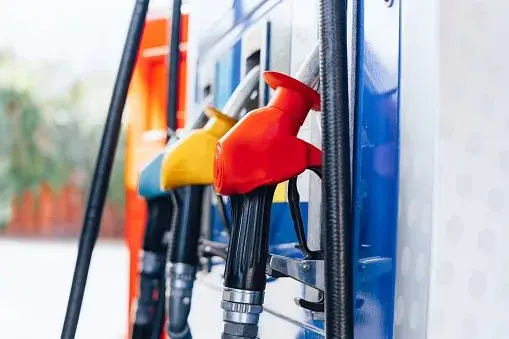
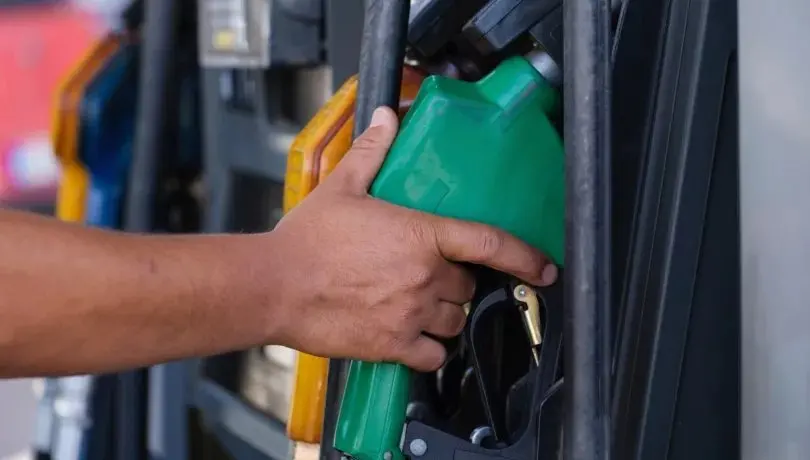
Filling up in South Africa is about to sting. From Wednesday 7 October 2026, petrol rises by R3.12 a litre for 93 grade and R3.33 a litre for 95, with diesel up by R2.84 (0.05% sulphur) and R3.24 (0.005% sulphur) per litre. The Central Energy Fund, acting for the Department of Mineral and Petroleum Resources, confirmed the increases, which also see illuminating paraffin climb R3.58 a litre.
The new inland prices are eye-watering for anyone who remembers cheaper years: R29.88 for 93 petrol and R30.25 for 95. Coastal drivers pay slightly less — R29.38 for 95 — while wholesale diesel lands between R31.08 and R33.29 depending on grade and location. For a family hiring a car and driving Cape Town to the Garden Route and back, that's roughly R1,000 in fuel alone at consumption around 7 litres per 100km.
Why so steep? Crude oil is sitting at about $89 a barrel, but the bigger culprit is geopolitics. Ongoing conflict between Iran and the United States has disrupted oil shipments through the Strait of Hormuz, squeezing international inventories and pushing shipping costs up — costs that flow straight through to the pump.
It has been a rollercoaster year for South African fuel. Prices started 2026 quietly, bottoming out in February, then surged through autumn and winter: inland 95 climbed from R20.30 a litre in March to a June peak of R28.06. July and August brought relief, but renewed Middle East tension reversed the gains by September, when petrol bounced back to R26.92 and 50ppm diesel hit R30.05 — setting up October's jump.
If you're planning a South African road trip in the final quarter, budget for roughly R30 a litre on fuel and build in a buffer. It may also be worth pricing flights for long hops like Johannesburg to Cape Town, or considering the Western Cape coast where pump prices run slightly lower than inland regions.