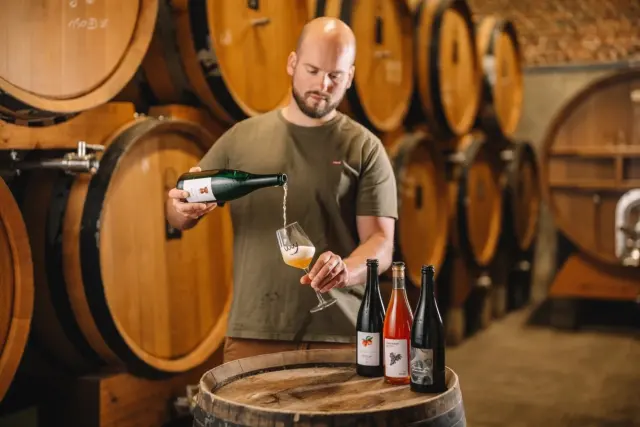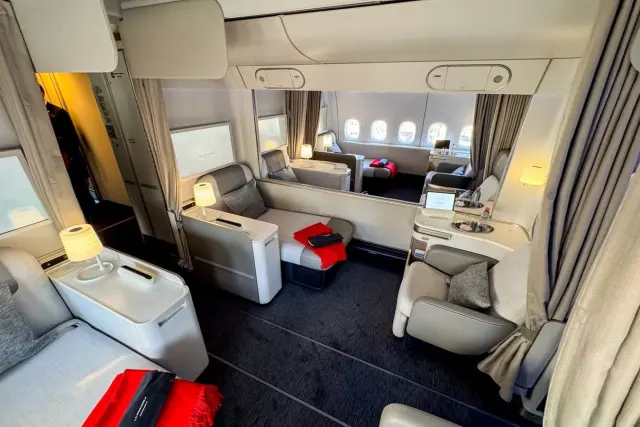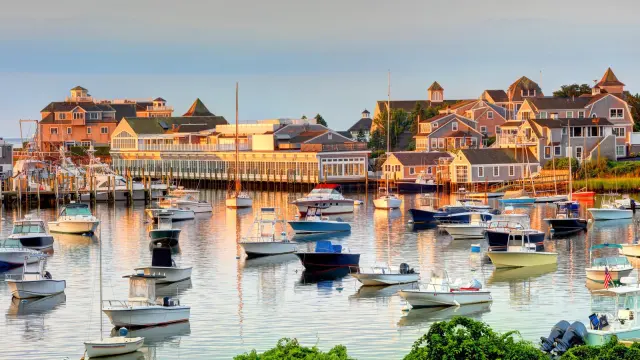
Remember when a luxury holiday meant the plushest lobby and the biggest marble bathroom? According to Michelin Guide's Marie-France Perrel, that era is over. Speaking at the Euronews Travel & Tourism Summit 2026 in Brussels, the head of business development for hotels at Michelin argued that luxury hospitality now hinges on something harder to photograph: a genuine sense of place.
Her central point is that food and hotels have merged into a single experience. Michelin's own booking data backs this up — users searching for hotels in Northern Europe increasingly look for nearby restaurants in the same session. It's not just convenience, either. Perrel described a rise in what she calls "intentional travel around food": trips planned around one specific dish, a walking food tour, or recreating a meal someone spotted on television. The pizza you saw on screen becomes the reason you book the flight.
Michelin's own footprint in hotels is fairly new. The tyre company turned guide publisher has been recommending places to eat and sleep since 1900 and started handing out restaurant stars in 1926, but it only launched its hotel equivalent — the Michelin Key — in 2024. The 2026 global list covers 2,832 hotels across 79 destinations: 2,020 with one key, 657 with two, and 155 with the top three-key rating, described as the ultimate, trip-of-a-lifetime tier. Around 470 hotels were newly added this year, 18 of them straight into the three-key club.
What's striking about the list is its variety. Grand hotels sit alongside independent boutiques and remote retreats, which Perrel sees as proof that "luxury doesn't look one way". For travellers, that means the best stay of your life might be a ten-room farmhouse rather than a five-hundred-room resort.
Perrel also left the summit audience with a genuinely usable tip: plan your trip backwards. Instead of picking a destination and then hunting for a hotel, find a hotel that genuinely excites you — and let it decide where you go. It's a small mental flip that fits neatly with everything else she said. If food, setting and service matter more than star ratings and square footage, the property itself is the destination.
Why should a normal holidaymaker care? Because the industry's most influential arbiters of quality are now rewarding character over opulence. If you've ever found a marble-heavy hotel soulless, the market is finally catching up with you — and the Michelin Keys are a handy, free shortlist of stays that prioritise exactly that.