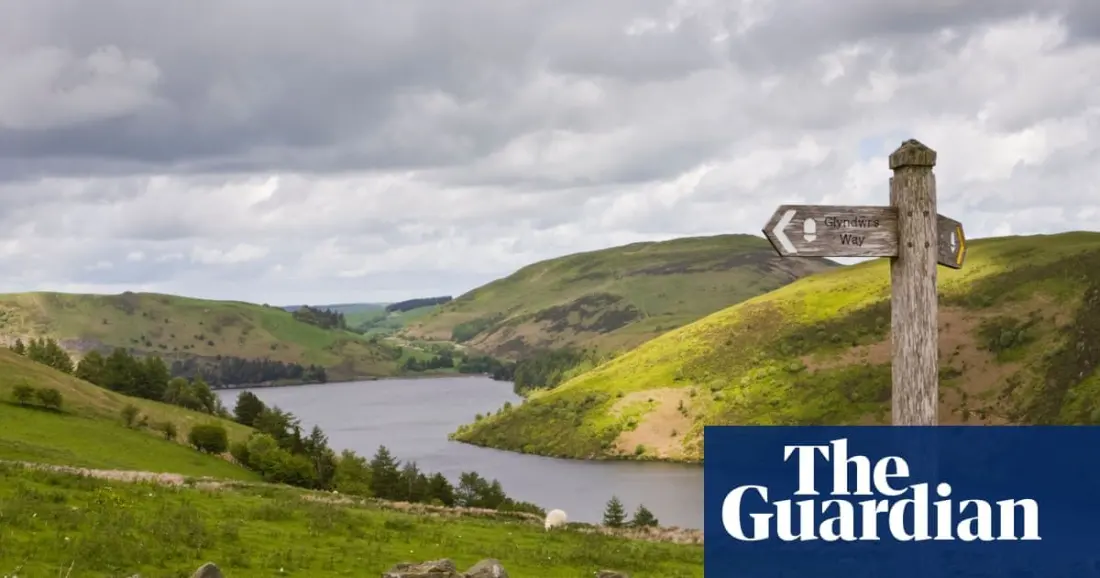
Glyndŵr's Way is the quiet one among Britain's national trails. At 135 miles, looping through the empty hills of mid-Wales from Knighton to Welshpool, it's widely reckoned the remotest of all 17 English and Welsh routes — a reputation one Guardian writer recently put to the test, walking the 75-mile southern section with his terrier Stevie and chasing, along the way, the ghost of Owain Glyndŵr himself.
The trail honours the last Welsh Prince of Wales, whose 1400 rebellion against English rule began as a personal land feud and swelled into a full-scale war. Conwy's fortress was captured, a battle near Knighton was won, and the uprising only faltered when the future Henry V took charge of English forces. Glyndŵr's English foes thought he had supernatural powers; even Shakespeare gave him a cameo. He eventually vanished from history altogether — and, as the writer found, he keeps that habit. A castle mural of Glyndŵr in Machynlleth turned out to wear the face of a Victorian railway patron instead.
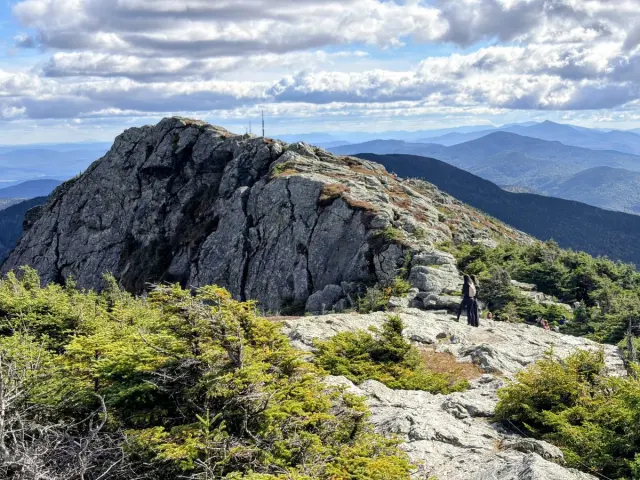
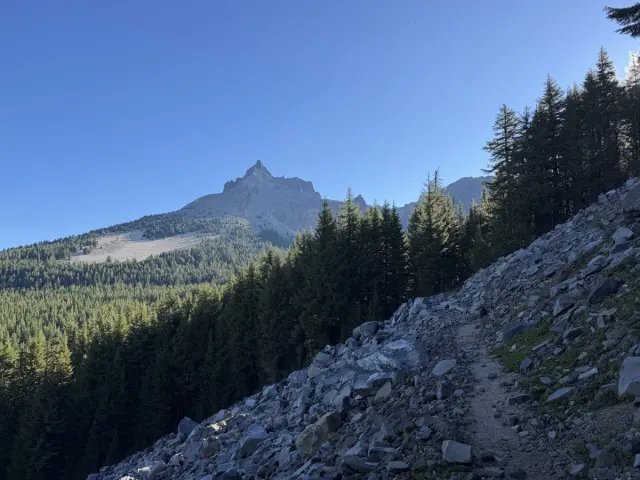
The walking itself is the real draw. The route crosses dry, sheep-defended uplands where the only movement is distant wind turbines, and follows old droving lanes once used to push cattle across the border. Highlights include the ruins at Castell y Blaidd ('the castle of the wolf'), Abbeycwmhir — an abbey Glyndŵr reputedly sacked — and a final climb to Foel Fadian at 564 metres, with panoramas out to Cadair Idris, Yr Wyddfa and the Irish Sea.
Because facilities are thin on the ground, self-sufficiency matters: the writer packed a stove and teabags after finding one village pub open only on weekday evenings, for drinking only. Where you do find hospitality, it's characterful — a vintage caravan at Brandy House Farm near Felindre, Butty Bach ale at the Wharf Inn, cabins in a pine plantation at Wales in the Woods near Abbeycwmhir, and pods at Y Star Inn, one of Wales's highest pubs. Both Llanidloes and Machynlleth make rewarding endpoints: small, eccentric towns with independent shops and more pub choice than three days on the hills prepares you for.
It's a good moment for Glyndŵr fans. Paul Greengrass's Peasants' Revolt film The Uprising arrives in UK cinemas on 9 October, and Gary Owen's new play Owain & Henry, with Michael Sheen as the rebel prince, runs at the Wales Millennium Centre in Cardiff from 5–28 November. Sheen, who has walked parts of the trail, argues the landscape itself made the guerrilla war possible — and you can still feel it.
Dog owners get a realistic picture: tight leashes around sheep and cattle, and the odd detour for pet-friendly beds (a mile off-trail at the Castle Inn near Knucklas). If you want to plan the route properly, Paddy Dillon's Walking Glyndŵr's Way, published by Cicerone at £16.95, covers the full trail.
For walkers who prefer solitude to signposted crowds, this is Wales at its emptiest and best — five days of heather, ruins and history, with the sense that the hills have kept their secrets.