Netflix's adaptation of Gabriel García Márquez's 'One Hundred Years of Solitude' has done more than bring Macondo to screens worldwide. According to figures reported by Colombia One, the two-part series generated roughly 525 billion pesos — about US$162 million — for the Colombian economy, making it one of the highest-impact international productions ever filmed in the country.
That number counts more than star salaries. It covers direct filming spend plus the ripple effects through hotels, restaurants, transport companies, construction firms, artisans, equipment rentals and post-production houses. It's also more than double what Netflix reported after part one, which alone was estimated at around US$70 million.
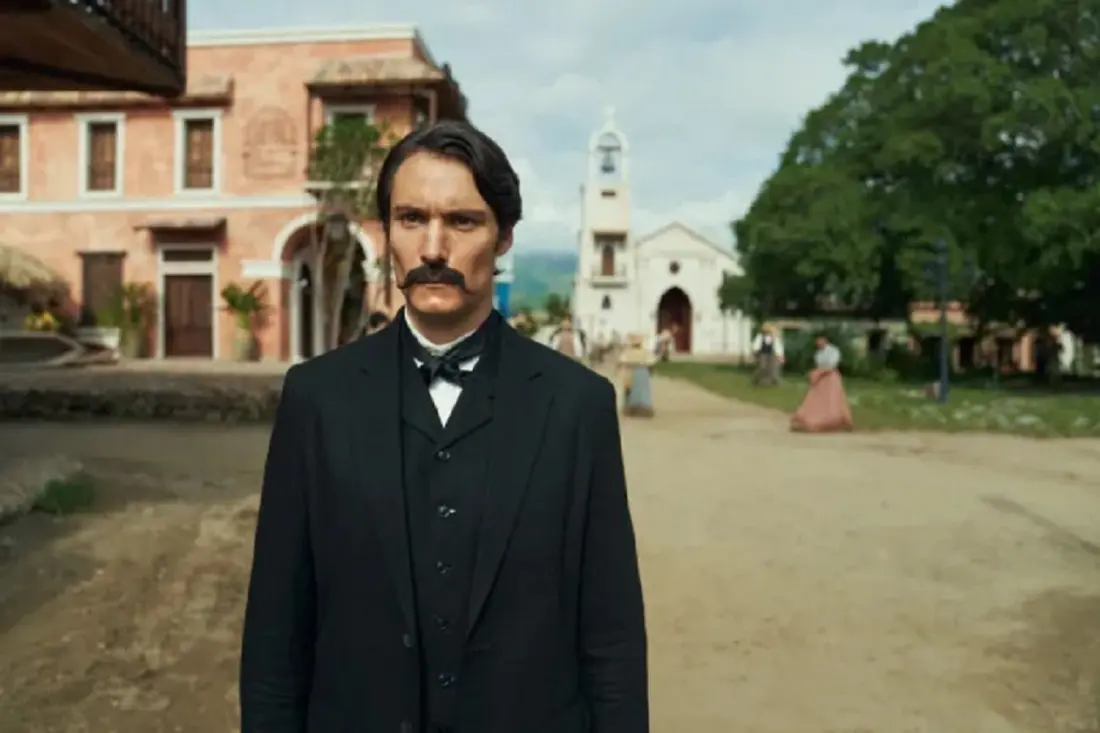
The physical heart of the production sits in Tolima, in Colombia's central-western Andean region, where Netflix built its version of Macondo on a plot of more than 540,000 square metres. Filming the second part took 190 days and employed over 850 cast and crew members. Across both parts, sets spanned roughly 560,000 square metres, including 16,623 square metres of new construction for part two alone — needed to show Macondo evolving across generations of the Buendía family.
The local supply chain was enormous. For the second instalment, Netflix worked with more than 970 Colombian suppliers and businesses across at least 15 departments, covering everything from set design and catering to lighting, visual effects and professional services. Part one had already involved over 850 suppliers and roughly 150 artisans who helped build the town. The wardrobe ran to some 70,000 garments (30,000 in part two), and 227 musicians recorded the score, folding Colombian sounds into a global production.
Hotels felt it directly: the second part alone accounted for 154,888 hotel nights, on top of more than 100,000 nights logged in Ibagué during part one.
Beyond the balance sheets, the series is doing quiet promotional work for Colombia as a destination. The government and ProColombia ran a 'Macondo, Inspired by the Country of Beauty' campaign in the United States, France, Spain and Argentina, leaning on the global reach of García Márquez's novel. A key draw for productions like this is the CINA tax incentive, which refunds 35% of spending on audiovisual services carried out in Colombia — part of a broader push to position the country as a hub for international filming.
Why should travellers care? Because screen tourism tends to follow. Just as viewers sought out the Croatian coast after Game of Thrones or Scottish Highlands after Outlander, Macondo's sun-bleached, humid, river-town aesthetic is now a global calling card for the real Colombia — the Magdalena river towns, colonial streets and Caribbean-flavoured interiors that inspired García Márquez in the first place. Tolima, long overshadowed by the coffee axis and Cartagena, now has a pop-culture landmark of its own. Expect local operators to build Macondo-themed routes, and expect more big productions to follow the money — and the scenery.