Sea surface temperatures off Ecuador and Peru have hit 28-29°C in recent readings — six to seven degrees above the seasonal norm, and two to three degrees hotter than during the devastating 1997-98 El Niño. Meteorologist Bolívar Erazo, former head of Ecuador's Inamhi weather institute, says the strength of this event is "off the charts" and, unusually, still climbing when past events had already peaked by late August.
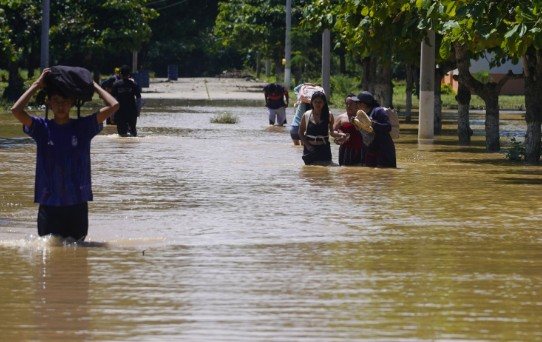
The immediate consequence for anyone with travel plans in the region: the rains have started months early. In previous El Niño years the heavy coastal downpours typically began in November; this time they're already soaking Ecuador's coast and northern Peru, including Tumbes and Piura. Peruvian oceanographer Rina Gabriel Valverde, of the El Niño study body Enfen, calls the mid-September temperature surge unprecedented and warns the floods will continue for months with little relief for coastal communities.
There's a second hazard beyond rainfall. Ocean levels along the coast have risen about 40 centimetres above normal, so Pacific storms arriving at high tide push seawater well inland — something already seen in Ecuador's Esmeraldas province. Erazo expects "terrible flooding" along the coastal lowlands in the coming months.
The picture inland is murkier. El Niños usually bring dry weather to Ecuador's sierra and inter-Andean valleys, and Erazo thinks drought is likely in the Austro region in the south, where most of the country's hydroelectric dams sit — raising the prospect of reservoir shortfalls and power cuts like those Ecuador has experienced before. His worst-case scenario is a prolonged drought stretching well into 2027, with the normal rainy season missed entirely.
For travellers, the takeaway is simple: if Ecuador's or northern Peru's Pacific coast is on your list for the next several months, expect disrupted roads, flooding in low-lying towns, and possible hotel or transport cancellations. Guayaquil, the southern beaches, Esmeraldas and the Peruvian north coast are the areas most exposed. The Andean highlands and Quito are generally less affected by El Niño rains, though hydro shortages could mean intermittent blackouts there. Anyone travelling between roughly now and mid-2024 should monitor weather warnings, build flexibility into coastal itineraries, and keep an eye on power supply news if heading to Cuenca or the southern sierra.