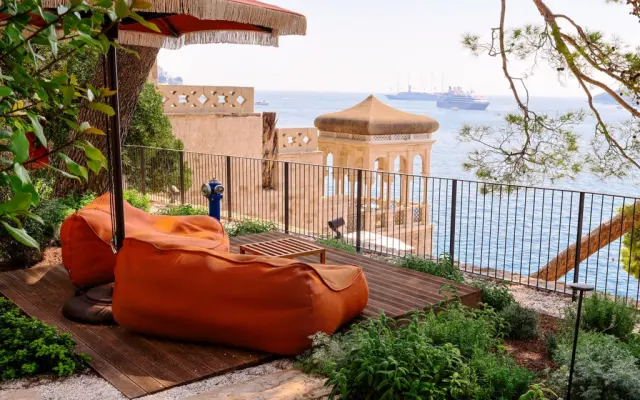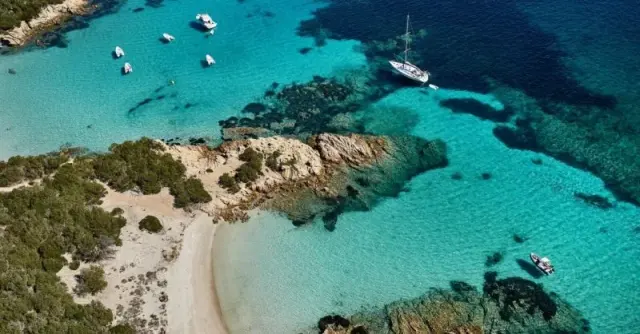
Croatia's summer crowds may grab the headlines, but September is quietly becoming one of the country's most valuable months on the calendar. New figures, crunched by Jutarnji list from Croatia's Tax Administration, show that fiscalised receipts in accommodation and hospitality jumped sharply this September compared with the same month last year — proof that warm weather and smarter travel habits are stretching the season well beyond July and August.
The star of the month was Istria. Accommodation businesses on the peninsula took in roughly €105.7 million, a jump of around 26% year-on-year, with the volume of receipts up about 7%. That's not just more visitors — it's visitors spending noticeably more. The Split-Dalmatia region put in a solid shift too, with about €52 million in accommodation receipts, up 6%.
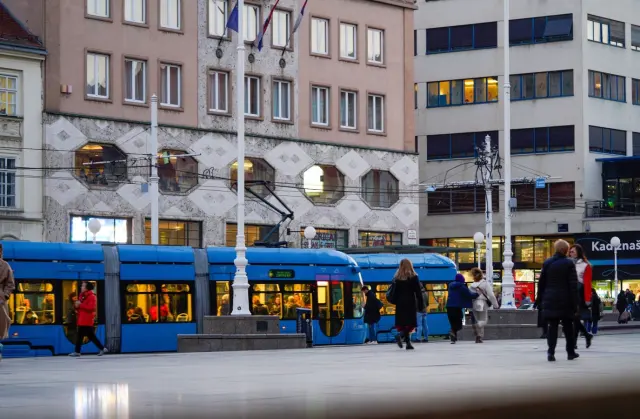
Zagreb tells a stranger story. The capital saw 22% more accommodation receipts than a year earlier, yet total value rose by less than 2%. Plenty more transactions, barely more money — a hint that the city is drawing shorter stays or budget-conscious guests, or perhaps that room rates are being undercut in the shoulder months.
Zoom out and the long-term shift is striking. Compared with September 2019, before the pandemic reshaped travel, the number of receipts across accommodation and hospitality was up around 17% — but their total value was 131% higher. For accommodation alone, value nearly doubled (up about 92%) even though transaction counts rose only 6%. People aren't just coming to Croatia in bigger numbers; they're paying considerably more per stay. Some of that is inflation, some is premiumisation, but either way September is earning serious money.
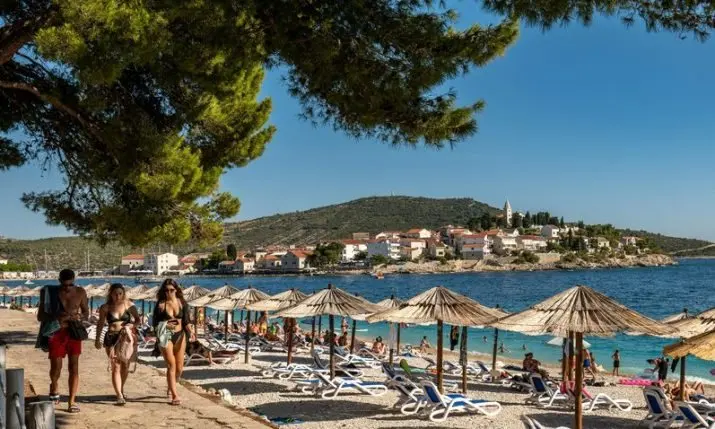
There's a catch, though. Against August, September still looks like the poor relation: around 40% fewer accommodation receipts and roughly 50% less value. Croatia's perennial problem — an economy that lives and dies by the peak summer fortnights — hasn't been solved, merely softened. The Indian summer that keeps beaches and terrace tables busy into autumn is doing a lot of the heavy lifting, helped by travellers actively seeking quieter, cheaper alternatives to peak-season chaos.
For anyone planning a trip, this is useful intel. Shoulder-season Croatia is now a properly functioning product: restaurants and hotels that once shut after August stay open, flights and connections run, and the Adriatic is warm well into September. You get the coast without the crush, and the data suggests locals and businesses are leaning into it. Istria, with its truffle season, hilltop towns and wine routes, is arguably the best example — it's built for autumn as much as summer.
The open question for Croatia is whether September's boom becomes a genuine year-round model or stays a one-month extension of summer. For travellers, the smart move is to book the shoulder months before everyone else catches on.